2026 Best Light Teak Grain Wooden Venetian Blinds?
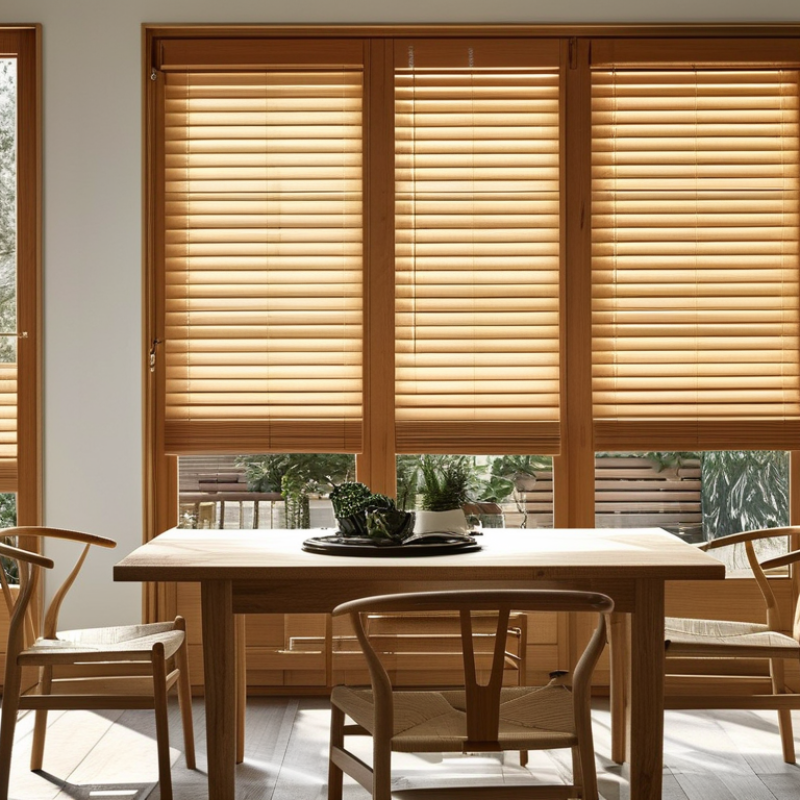
Choosing the right Light Teak Grain Wooden Venetian Blinds in 2026 involves more than matching a warm color. The grain, slat width, finish, cord system, and window position all affect the result. A pale teak appearance can make a narrow room feel brighter, yet strong sunlight may gradually change its tone. Samples matter.
Design expert Charles Eames said, “The details are not the details. They make the design.” That principle fits wooden blinds remarkably well. A 50-millimetre slat can create bold horizontal lines across a wide window, while slimmer slats may suit compact bedrooms. Look closely at the surface. Printed grain can appear repetitive, while natural veneer usually shows subtle variation. Neither option is automatically better. It depends on your budget, maintenance expectations, and tolerance for small imperfections.
This guide examines the most practical Light Teak Grain Wooden Venetian Blinds for modern homes, offices, and hospitality interiors. It considers light control, privacy, moisture exposure, child-safe operation, and installation accuracy. In kitchens or bathrooms, real wood may require more care than moisture-resistant alternatives. That is easy to overlook. We will also compare matte and satin finishes, inside and outside mounting, and the visual effect of different valance styles. Expect useful comparisons, not absolute promises. A blind that looks perfect online may feel too yellow beside cool flooring. Bring a sample home. Observe it in morning, afternoon, and artificial light before making a final decision.
What Defines Light Teak Grain Wooden Venetian Blinds in 2026
Light teak grain wooden Venetian blinds are defined by more than a pale brown color. Their character comes from straight, visible grain, soft honey undertones, and a low-sheen finish that keeps rooms feeling calm. In 2026, buyers also expect accurate slat alignment, smooth tilt control, and responsibly sourced timber. The Global Status Report for Buildings and Construction 2024 reports that buildings consume about 32% of global energy. Better daylight control therefore matters, although blinds alone cannot solve a building’s energy problems.
The strongest designs use narrow or medium slats to filter bright daylight without making windows look heavy. A clear protective coating helps preserve the grain, but teak-like finishes are not automatically moisture-proof. Kitchens and bathrooms need careful ventilation and suitable sealing. I would avoid promising permanent color stability. Sunlight changes wood. That detail is easy to miss. The U.S. Department of Energy notes that window treatments can reduce heat gain or heat loss, depending on their design, fit, and daily operation. Installation quality remains surprisingly important.
Tips: Request a physical sample before ordering. Check the grain in direct sunlight and under warm evening light. Choose thicker slats for wider windows, but test the stack height first. Ask for timber sourcing information and coating specifications. A slightly imperfect grain can look more authentic; excessive color variation may simply indicate inconsistent finishing.
How Light Teak Grain Blinds Are Made and Finished
How Light Teak Grain Blinds Are Made and Finished
Light teak grain wooden Venetian blinds begin with carefully dried timber, often selected for stable structure and a clean surface. Kiln drying reduces excess moisture before production starts. This step helps limit warping in changing indoor conditions. The slats are cut to consistent widths, then sanded until their edges feel smooth against the fingertips.
The light teak appearance may come from a gentle stain, a printed grain layer, or both. Skilled finishers apply thin coats rather than one heavy layer. This keeps the surface warm and natural-looking. Between coats, the slats are lightly sanded and checked under angled light. Small knots and slight grain differences remain visible. They should. Real wood rarely looks perfectly identical.
The ladder holes and cord routes are drilled after the finish is prepared, reducing rough edges and exposed fibers. Each slat is then assembled with tilt controls, ladders, and lifting components. Testers check alignment, rotation, cord movement, and smooth raising. A blind can look beautiful yet operate poorly. That mistake is easy to overlook.
Humidity still matters. Even well-finished wood can expand or contract slightly near kitchens, bathrooms, or sunny windows. A dry cloth usually removes dust without damaging the coating. Harsh cleaners may dull the grain. In practical inspections, the most convincing light teak finish is not the darkest or most uniform. It is the one that balances clear grain, smooth operation, and honest variation.
How to Choose Slat Size, Light Control, and Privacy
Choosing light teak grain wooden Venetian blinds starts with the window’s daily behavior, not color alone. In living rooms, I compare morning glare, afternoon heat, and evening privacy before selecting slats. A warm grain can soften white walls, but it may look darker beside cool flooring. Request a physical sample. Photos often hide undertones. For narrow windows, 25mm slats create a finer rhythm and stack neatly. Wider 50mm slats show more wood character and need fewer turns for a clear view. They can also feel visually heavy in small rooms.
Slat size changes light control in practical ways. Smaller slats offer more adjustment points, helping soften a bright screen without fully darkening the room. Larger slats can direct sunlight toward the ceiling or floor with one tilt. That helps near desks and televisions. Test the blind at eye level, then from a seated position. The angle protecting your eyes may still expose the room at night. A common mistake. For bedrooms, combine careful tilting with lined curtains if street lighting remains intrusive.
Privacy depends on direction, height, and neighboring windows. Tilt slats upward for daytime privacy while keeping some daylight, but check the view from outside. At night, interior lights can reveal silhouettes through small gaps. Measure inside recesses twice, and allow clearance for handles. I have seen beautiful blinds fail because slats touched the window frame. That detail is easy to miss. Finishes also deserve scrutiny: real wood grain varies, and one sample may not represent every slat. Slight variation is normal, though inconsistent color should still be questioned.
2026 Best Light Teak Grain Wooden Venetian Blinds? - How to Choose Slat Size, Light Control, and Privacy
A practical comparison guide for selecting wood-look Venetian blind slats by window size, daylight direction, privacy needs, and maintenance requirements.
| Slat Size | Best Window Application | Daylight Control | Privacy When Closed | View-Through When Open | Cleaning Effort | Recommended Room Types |
| 25 mm / 1 in | Small windows, narrow recesses, shallow frames | Good adjustment for glare; smaller slats create more visible gaps between rows | Good when fully closed, but alignment and installation quality are important | Very good; creates a relatively open appearance when tilted | Moderate; more slats require more wiping | Bathrooms with suitable ventilation, bedrooms, compact offices |
| 35 mm / 1⅜ in | Standard residential windows and medium-width openings | Very good balance of glare reduction and adjustable daylight | Very good when slats are fully overlapped and tilted downward | Good; provides a clear outward view with the slats opened | Easy to moderate; fewer slats than a 25 mm blind | Living rooms, dining areas, bedrooms, home offices |
| 50 mm / 2 in | Large windows, wide glazing, and rooms with deeper recesses | Excellent; wider slats offer strong shading and smoother light adjustment | Excellent when closed; fewer gaps create a more continuous visual barrier | Excellent; offers a broad view and a lighter, less crowded appearance | Easy; the lower slat count speeds up dusting | Large living rooms, open-plan spaces, media rooms |
| 63 mm / 2½ in | Very wide windows and tall architectural openings | Excellent for broad shading, although tilt precision depends on the control system | Very good when closed; side gaps and installation remain important | Excellent; maximizes the visible glass area when raised or opened | Very easy; minimal number of slats to clean | Commercial-style interiors, expansive glazing, contemporary rooms |
Light Teak Grain Selection Checklist
| Decision Factor | What to Look For | Practical Recommendation |
| Window Orientation | South- and west-facing windows usually receive stronger direct sunlight in the Northern Hemisphere | Choose 50 mm or wider slats for broader shading, and use light-colored finishes to help reflect daylight |
| Privacy Direction | Tilting slats upward or downward changes the view angle from outside | For daytime privacy, tilt the slats to block eye-level views while preserving some daylight |
| Night-Time Privacy | Interior lights can make rooms visible through window coverings after dark | Close the slats fully; add curtains or a room-darkening layer where high privacy is required |
| Material Suitability | Natural wood can react to persistent moisture and temperature changes | Use sealed wood or moisture-resistant wood-look materials in kitchens and well-ventilated bathrooms |
| Teak-Style Appearance | Light honey, beige, and warm golden-brown tones complement neutral interiors | Select a consistent grain direction and request a sample because screen colors vary |
| Cord Safety | Operating cords and chains should be kept away from children and pets | Prefer cordless or motorized operation where appropriate, and follow local window-covering safety requirements |
Quick recommendation: For most residential rooms, 35 mm slats provide the best overall balance. Choose 50 mm slats for large windows, stronger daylight control, and a cleaner modern appearance. No Venetian blind is completely blackout or fully private at every angle, so installation quality, slat alignment, and nighttime lighting conditions should be considered.
