Skip to content

Top 10 321 Stainless Steel Sheet Suppliers Worldwide

Choosing a reliable source for 321 Stainless Steel Sheet takes more than comparing prices. Buyers also need consistent chemistry, clear documentation, and dimensions that suit the job. Grade 321 is a titanium-stabilized austenitic stainless steel, commonly selected for equipment exposed to elevated temperatures or repeated heating. It may appear in exhaust systems, furnace components, and welded assemblies. The details matter.

This guide introduces ten suppliers serving international markets. It considers practical factors such as product range, processing options, quality controls, export experience, and access to material certificates. Where applicable, buyers should confirm compliance with the required specification, such as ASTM A240, along with thickness tolerances and surface finish. A polished sample can look convincing; traceable records matter more.

Supplier capabilities can change. Stock varies by region, and a company’s broad catalog does not guarantee every size is available for immediate shipment. This ranking is therefore a starting point, not a universal verdict. No list is perfect. Before placing an order, request current technical data, confirm the material grade and condition, and clarify inspection and packaging requirements. Even small omissions can cause delays. A careful comparison can help engineers, fabricators, and procurement teams identify suppliers worth contacting—and ask better questions before committing.
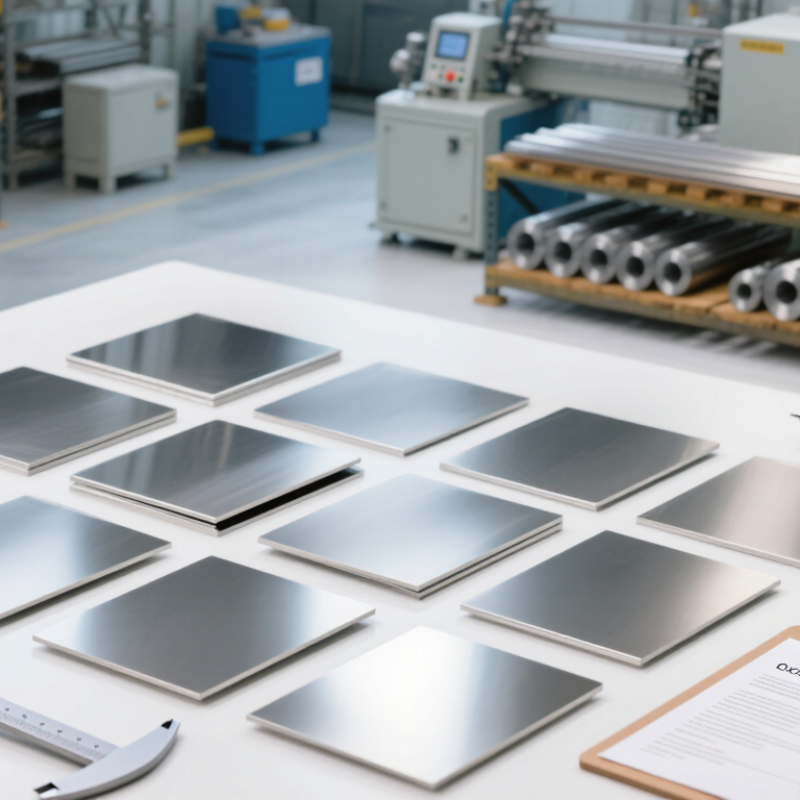
Top 10 321 Stainless Steel Sheet Suppliers Worldwide

What Defines 321 Stainless Steel Sheet and Its Key Applications

321 stainless steel sheet is an austenitic chromium-nickel alloy stabilized with titanium. The titanium helps limit chromium-carbide formation during welding and prolonged exposure to elevated temperatures. This can reduce intergranular corrosion risk in the heat-affected zone.

It is not immune to every form of corrosion. Grade selection still depends on the operating environment.

The sheet is used in welded exhaust components, aircraft ducting, heat-treatment equipment, and chemical-process parts exposed to heat. Fabricators value its formability and weldability, though forming, finish, and thickness affect shop-floor results. Small details matter.

The International Stainless Steel Forum’s Stainless Steel in Figures 2024 reports 58.4 million tonnes of global crude stainless steel production in 2023. That figure describes the wider stainless market, not demand for grade 321 specifically. For a real application, engineers should check temperature cycles, corrosive media, weld procedures, and material certificates against the relevant specification. A familiar grade name alone is not enough.

How to Evaluate Worldwide Suppliers of 321 Stainless Steel Sheet

When comparing worldwide suppliers of 321 stainless steel sheet, look beyond a polished catalogue. Ask for a recent mill test certificate linked to the actual heat or production lot. Check that the reported chemistry and product standard match your purchase specification. For 321, titanium stabilization matters, especially where parts face elevated temperatures or repeated welding. Ask how the supplier verifies sheet thickness, flatness, and surface condition before shipment.

Small details matter. Request samples or inspection records showing measurable results, not only general quality claims. Compare the stated tolerance with your drawing, then confirm how edges, protective film, and surface finish will arrive. A sheet may look clean in a photo yet show scratches under workshop lighting. Packaging should protect corners and keep moisture away during long transit.

Evaluate communication and logistics with the same care as the material. Can the supplier answer technical questions clearly, provide traceability documents, and give realistic lead times? Confirm minimum order quantities, packing dimensions, shipping terms, and the process for handling discrepancies. A low quote can hide costs in inspection, rework, or delays. Paperwork can still disappoint, so verify critical details independently when the application is demanding. No supplier is perfect; note unanswered questions before committing.

Regional Overview of the Global Supplier Landscape

The global supplier landscape for 321 stainless steel sheet follows broader stainless-steel production and processing hubs. World Stainless reported 58.4 million tonnes of global stainless crude-steel production in 2023. China produced about 36.7 million tonnes, while Europe produced 6.2 million tonnes and the United States 2.0 million tonnes. These figures describe production, not sheet-supplier counts, but they help explain why sourcing options are concentrated in Asia and supported by established service centers in Europe and North America.

Regional strengths differ. Asian suppliers often offer broad mill capacity and export availability; European and North American distributors may provide local stock, cutting, and shorter delivery routes. For 321 sheet, compare more than price: request the heat number, thickness tolerance, surface finish, and test certificate. The grade’s titanium stabilization is useful in elevated-temperature service, but actual performance depends on specification and fabrication. A regional supplier may simplify logistics, yet stock can vary. That detail is easy to overlook.

Tips: Ask for a recent mill test certificate and confirm that it identifies ASTM A240 or the required equivalent. Check whether quoted thickness is nominal or guaranteed minimum. One more check: verify packaging against the route, especially for long sea shipments.

Profiles of Ten Leading 321 Stainless Steel Sheet Suppliers

The ten supplier profiles in the 321 stainless steel sheet market reflect different strengths, rather than one universal best choice. Integrated mills may offer broad production control and consistent specification records. Regional stockholders can be useful when buyers need standard sheet sizes quickly. Export-focused distributors often coordinate packing and shipping for overseas orders. Precision slitting specialists handle narrower widths and tighter dimensional requests. Cut-to-size processors reduce on-site trimming, though buyers should confirm tolerances before ordering.

Fabrication-oriented suppliers can advise on forming and welding requirements. Documentation-focused vendors may provide material test certificates and traceability details. Small-batch traders can suit prototype work, but stock availability may change. Project procurement partners help coordinate mixed materials and delivery schedules. Online inventory sellers make comparisons easier, yet listings should be checked against current stock. Details matter. For any supplier, verify the grade, thickness, finish, dimensions, and inspection documents against the project specification. Ask how sheets are protected during transport; scratches and moisture marks can complicate receiving checks. A polished sales page is not proof of reliable service. That is worth remembering.

Top 10 321 Stainless Steel Sheet Suppliers Worldwide - Profiles of Ten Leading 321 Stainless Steel Sheet Suppliers

The entries below are anonymized supplier archetypes, not verified profiles or a ranking of specific companies. Product ranges and certifications vary by supplier; confirm details against the current quotation and material test certificate.

Profile Supplier type Typical supply scope Standards and identification to check Typical applications Buyer verification points
01 Integrated flat-product mill Mill-produced sheet and plate; availability depends on the mill’s rolling and finishing program. ASTM A240/A240M; UNS S32100; EN 1.4541 where specified. Pressure equipment, heat-transfer equipment, and fabricated components. Confirm standard edition, dimensions, tolerances, heat number, and material test certificate.
02 Stainless-steel service center Stocked sheet or plate, often with cut-to-size services; inventory is location-dependent. Request the product standard and grade designation shown on the original mill documents. Maintenance, repair, and short-run fabrication orders. Check that cut pieces remain traceable to the original certified material.
03 Precision sheet processor Thin-gauge sheet, slit coil, or precision-cut blanks where available. Specify 321 / UNS S32100 and the required thickness, width, and dimensional tolerances. Light-gauge formed parts and precision assemblies. Verify thickness tolerance, flatness, edge condition, and surface finish.
04 Plate-focused distributor Heavier flat products and project-specific plate sourcing. ASTM A240/A240M is a commonly specified product standard for stainless plate, sheet, and strip. Vessels, furnace components, and larger fabricated parts. Confirm plate dimensions, delivery condition, testing requirements, and traceability.
05 Regional importer and stockholder Imported sheet or plate held in regional stock; origin and lead time vary by shipment. Check that the stated grade, standard, and country-of-origin documents match the supplied lot. Local fabrication and replacement-material purchasing. Request mill certificates, batch identification, and confirmation of stock availability.
06 Export-oriented flat-product supplier Order-based sheet and plate supply for cross-border projects. Agree on the governing specification, inspection documents, packaging, and marking before shipment. International equipment fabrication and project procurement. Check shipping terms, packaging protection, document format, and delivery schedule.
07 Cut-to-size and fabrication-service supplier Sheet or plate supplied with services such as shearing, laser cutting, or waterjet cutting, subject to equipment limits. The base material specification remains separate from the cutting-service requirements. Custom blanks and near-net-shape components. Specify drawing revision, cut tolerances, deburring, and preservation of material identification.
08 Surface-finish specialist 321 flat products with specified surface conditions, depending on available processing routes. State the required finish and acceptance criteria; finish designations should be agreed with the supplier. Visible surfaces and components requiring a controlled finish. Confirm finish sample, surface protection, and allowable cosmetic defects.
09 Project and specification-focused distributor Sourced material with documentation and inspection requirements tailored to a project order. Define required certificates, inspection, marking, and any supplementary testing in the purchase order. Regulated or documentation-intensive engineering projects. Review document scope and acceptance requirements before placing the order.
10 Multi-product stainless distributor A mixed stainless portfolio that may include 321 sheet or plate by stock or special order. Distinguish 321 (UNS S32100) from other stainless grades on the order and certificates. Buyers consolidating multiple stainless products or sizes. Confirm grade identity, availability, substitutions policy, and lot-level traceability.

Material note: Type 321 is a titanium-stabilized austenitic stainless steel. Grade equivalence, chemical limits, product form, and permitted dimensions must be confirmed against the applicable specification and purchase requirements.

Comparing Supplier Capabilities, Certifications, and Service

When comparing 321 stainless steel sheet suppliers, look beyond a polished product page. Ask whether the material meets the specification you need, such as ASTM A240, and request a mill test certificate showing its chemistry and mechanical properties. For 321, titanium stabilization is a key detail worth checking against the stated grade. Heat numbers should link the paperwork to the sheets you receive. Small details matter. A quality-system certificate can indicate documented processes, but it does not prove that every shipment meets your requirements. Verify its scope and confirm how inspections are recorded.

Tip: Request a sample certificate and a recent inspection report before placing a large order. Check that thickness, width, finish, and tolerances match your drawing. If details are missing, ask for clarification in writing.

Service capability can affect production just as much as material quality. Ask about cut-to-size options, minimum order quantities, stock availability, and realistic lead times. A useful supplier gives clear answers about packing, shipment tracking, and how it handles a discrepancy. Response speed is helpful, but precise answers matter more. Even good paperwork can leave questions; I would still confirm how replacements or corrective actions are managed. Compare several suppliers using the same checklist, then keep the records with your purchase documents.

Top 10 321 Stainless Steel Sheet Suppliers Worldwide — Comparing Supplier Capabilities, Certifications, and Service

A reliable supplier comparison starts with verifying that the sheet meets the required Type 321 material specification. The chart shows ASTM A240/A240M composition limits by weight; it is a material baseline, not a ranking or assessment of suppliers.

Chromium and nickel are shown as specified ranges; other charted elements are shown from zero to their maximum limits. Titanium is specified separately as a stabilization requirement: at least 5 times the carbon plus nitrogen content, with a 0.70% maximum. Confirm the applicable standard edition and product requirements when evaluating supplier certifications and mill test reports.