Skip to content

7 Best Pet Wet Wipes for Dogs and Cats?

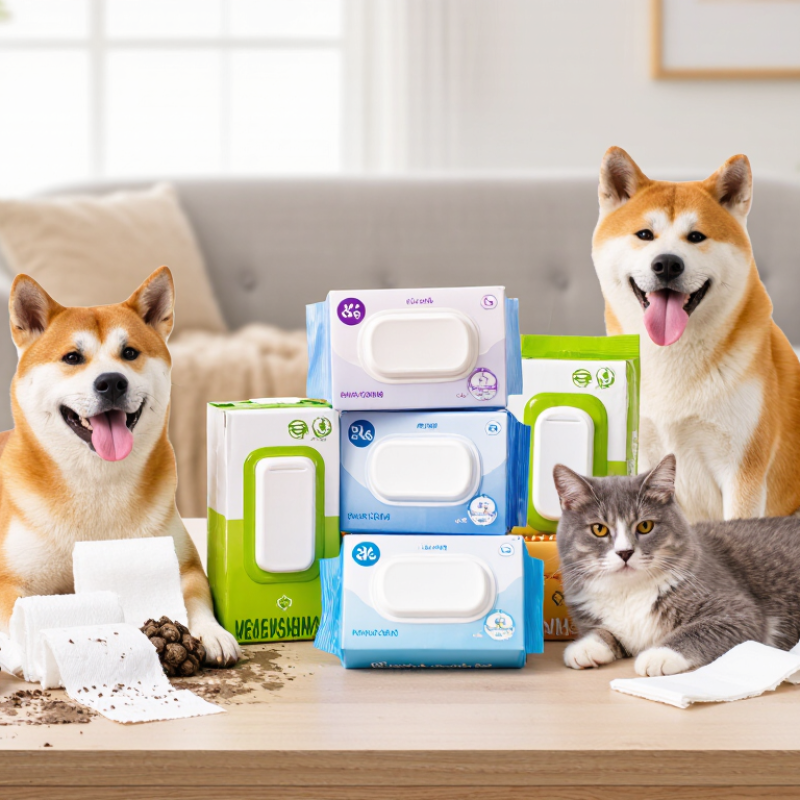
Pet Wet Wipes have become a practical part of everyday dog and cat care. They help remove muddy paw prints, litter dust, food residue, and outdoor allergens. A wipe beside the front door can save a pale sofa after a rainy walk. Yet convenience should not replace judgment.

The American Pet Products Association reported that 66% of U.S. households owned a pet in its 2023–2024 National Pet Owners Survey. That figure represents about 86.9 million homes. It also reflects growing demand for simple, portable hygiene products. Market reports from Grand View Research and Future Market Insights describe continued growth in pet-care and pet-wipe categories. Their estimates differ, however. That gap deserves caution, not blind enthusiasm.

Dr. Jerry Klein, chief veterinary officer of the American Kennel Club, has stated, “The best way to clean your dog’s ears is with a veterinarian-approved ear-cleaning solution.” His advice matters here. Pet Wet Wipes should clean external fur and skin, not replace veterinary treatment. Never push a wipe into the ear canal. Avoid products containing harsh fragrances, alcohol, or ingredients unsuitable for cats. Cats groom themselves, so residue matters.

The following guide compares seven popular Pet Wet Wipes for dogs and cats. It considers ingredient transparency, texture, moisture, scent, package design, and real cleaning performance. Some claims remain difficult to verify. A wipe may feel soft but still irritate sensitive skin. Therefore, patch testing is sensible, even when the label sounds reassuring. Convenience is useful. Careful selection is better.
7 Best Pet Wet Wipes for Dogs and Cats?

Pet Wipe Market Context: APPA Reports 66% of U.S. Homes Own Pets

With APPA reporting that 66% of U.S. homes own pets, daily grooming has become a practical household need. Dogs and cats bring outdoor dust, litter particles, and loose hair indoors. Wet wipes can help clean paws, skin folds, and coats between baths. They are convenient, but they are not a replacement for proper bathing or veterinary care.

The seven best pet wipe options usually share clear qualities: fragrance-free formulas, gentle ingredients, strong but soft fabric, suitable moisture, easy packaging, clear use directions, and testing for pet skin safety. I prefer wipes without harsh alcohols or heavy perfumes, especially for cats that groom themselves. A slightly textured sheet removes dirt better than a thin, slippery one. Check the label carefully. “Natural” does not always mean suitable.

My experience is that pets accept wipes more easily when cleaning starts with one paw. Keep the first session brief. Avoid eyes, ears, open wounds, and irritated skin. Wash your hands afterward, even when the wipe feels mild. I have sometimes chosen a pleasant scent for household freshness, then noticed my cat avoided the product. That was a useful mistake. Pet comfort matters more than human preference. For repeated skin problems or unusual odors, ask a qualified veterinarian before relying on wipes.

7 Best Pet Wet Wipes for Dogs and Cats

Pet Wipe Market Context: APPA Reports 66% of U.S. Homes Own Pets

Category Best Use Recommended Formula Characteristics Suitable Areas Key Benefits Important Precautions
1. Sensitive-Skin Wipes Routine cleaning for pets with easily irritated skin Fragrance-free, alcohol-free, dye-free, and made with gentle cleansing agents Paws, coat, legs, and external skin Helps remove surface dirt while reducing exposure to common fragrance and dye irritants Stop use if redness, itching, or discomfort occurs. Do not use on broken or inflamed skin without veterinary advice.
2. Paw-Cleaning Wipes Cleaning paws after walks, outdoor play, or travel Moist, low-residue cleansing solution with a soft, durable wipe material Paw pads, toes, and lower legs Removes mud, dust, and outdoor residue before pets enter the home Wipe between the toes carefully and dry the paws afterward. Avoid products containing harsh household cleaners.
3. Coat and Body-Grooming Wipes Quick freshening between baths Water-based formula that is easy to spread and leaves minimal residue Back, belly, legs, and short-haired or long-haired coats Helps remove light dirt, dander, and everyday odors between full grooming sessions Not a substitute for bathing or treatment of parasites, fungal infections, or persistent odor.
4. Facial and Tear-Area Wipes Cleaning external facial debris and tear residue Specifically labeled for facial use, gentle, fragrance-free, and free from harsh exfoliating ingredients Fur around the eyes and external face only Supports routine hygiene in breeds or pets prone to facial moisture buildup Never wipe directly across the eyeball. Seek veterinary care for discharge, swelling, squinting, or persistent staining.
5. Ear-Cleaning Wipes Wiping the visible outer ear and ear flap Designed for external ear use and free from ingredients that may irritate sensitive ear tissue Ear flap and visible outer folds Removes surface dirt and moisture from accessible areas Do not insert wipes or cotton products into the ear canal. Odor, pain, redness, or dark discharge requires veterinary evaluation.
6. Deodorizing Grooming Wipes Managing normal outdoor or post-activity odors Mild odor-neutralizing ingredients; fragrance should be light or absent for sensitive pets Coat, paws, and external body areas Provides temporary freshness between baths without replacing regular grooming Do not use to conceal a sudden or strong odor, which may indicate a skin, dental, ear, or anal-gland problem.
7. Vet-Directed Antimicrobial Wipes Targeted cleaning when recommended by a veterinarian Clearly identified active ingredients, species-appropriate directions, and labeled contact time Specific skin folds or external areas identified by a veterinarian May support management of selected microbial skin concerns as part of a veterinary care plan Use only as directed. These wipes are not suitable for every condition and should not replace diagnosis or prescribed treatment.
Selection Note: Choose wipes labeled for the intended body area and the correct species. Check the ingredient list, expiration date, seal quality, and disposal instructions. Avoid human disinfecting wipes, products containing harsh chemicals, and wipes that are not intended for pets.

Market context: The American Pet Products Association has reported that approximately 66% of U.S. households own a pet. The categories above compare common pet-wipe use cases rather than specific companies or brands.

Safety Criteria: Veterinary pH Guidance, Alcohol, Fragrance, and Preservatives

7 Best Pet Wet Wipes for Dogs and Cats?

Safe pet wipes begin with pH, not a pleasant scent. Veterinary dermatology guidance generally favors mildly acidic or near-neutral formulas made for animal skin. Human wipes may be too alkaline, especially around a dog’s paws or a cat’s face. There is no single perfect pH for every pet. Skin condition, age, and species can change tolerance. Ask a veterinarian when redness, itching, or repeated licking appears.

Alcohol deserves caution. It can sting tiny cuts and remove protective oils, leaving skin dry and tight. I would avoid wipes listing ethanol, isopropyl alcohol, or denatured alcohol near the top. Fragrance-free options are usually safer, particularly for cats, which groom residue from their coats. Essential oils are not automatically gentle. Some may irritate skin or create risks when swallowed during grooming.

Preservatives are necessary because wet wipes can grow bacteria and mold. However, the ingredient list still matters. Choose products with clear labeling, sealed packaging, and specific pet-use directions. Look for veterinary testing or manufacturer safety data, rather than vague claims such as “natural” or “chemical-free.” A wipe should feel moist, not dripping, and leave no sticky film between the toes.

A checklist can mislead. Even a carefully formulated wipe may bother one sensitive animal. Test a small area first, then watch for redness over the next day. Never use wipes inside ears, eyes, mouths, or open wounds unless a veterinarian directs you.

How to Compare Seven Wipes: Fiber, Moisture, Size, Seal, and Cost per Wipe

7 Best Pet Wet Wipes for Dogs and Cats?

Comparing seven pet wipes requires more than checking the front label. I inspect the fiber first, because loose or rough material may irritate sensitive skin. Plant-based fibers can feel soft, but softness alone does not prove safety. A dense sheet usually lifts mud better from paws. A thin sheet may tear during cleaning.

Moisture also matters. I prefer wipes that stay damp through several paw passes, without dripping onto furniture. For cats, I check for a mild, unscented formula and avoid products with strong fragrances. A larger sheet can clean a muddy dog paw with fewer pieces. However, oversized wipes may be wasteful for a small cat. Measure the sheet, not just the package.

The seal deserves a close look. After opening, I leave the pack in a warm room for one week and check whether the remaining wipes dry out. My own testing is useful, but it is not perfect. I sometimes judge softness differently after handling several samples. Cost per wipe gives a clearer comparison: divide the package price by the actual wipe count. A low price can hide tiny sheets, weak fabric, or rapid drying. For daily use, I record fiber feel, moisture retention, sheet size, seal strength, and cleaning time in the same notebook. The cheapest option is not always economical.

Best Uses by Body Area: Paws, Fur, Faces, Ears, and Sensitive Skin

7 Best Pet Wet Wipes for Dogs and Cats?

The best pet wipes depend on the body area, not just the pet’s size. For muddy paws, choose thick, textured wipes that lift grit between the pads. A softer daily wipe suits short fur and removes pollen after outdoor walks. For long coats, use a lightly damp, fragrance-free wipe to reduce surface dirt without matting hair. I have found that overly wet wipes leave fur sticky, especially around the legs.

Faces need extra care. Use a small, unscented wipe around the cheeks and chin, avoiding the eyes, nose, and mouth. Never scrub tear stains aggressively. For ears, select wipes designed for the outer ear only. Gently clean visible wax, then stop. Do not push a wipe into the ear canal. A veterinarian should assess odor, redness, or repeated scratching.

Sensitive skin benefits from alcohol-free, essential-oil-free, and minimal-ingredient wipes. Look for clear labeling and avoid strong perfumes, which can irritate skin or trigger licking. Seven practical choices include paw wipes, coat wipes, face wipes, outer-ear wipes, sensitive-skin wipes, post-toilet wipes, and allergy-season wipes. Each should be used for its intended area. Patch-test a small spot first. Even careful owners can miss early irritation. If the skin becomes swollen, damp, or painful, stop wiping and seek veterinary advice.

Seven-Wipe Scorecard: Safety Evidence, Veterinary Fit, Value, and Ratings

7 Best Pet Wet Wipes for Dogs and Cats?

Seven-Wipe Scorecard: Safety Evidence, Veterinary Fit, Value, and Ratings

A useful seven-wipe comparison should measure more than scent, softness, or attractive packaging. Safety evidence deserves the highest weight. Look for clear ingredient lists, gentle cleansing agents, and testing claims that can be verified. Avoid wipes containing strong fragrance, alcohol, or essential oils, especially for cats and pets with sensitive skin. “Natural” does not automatically mean harmless.

Veterinary fit depends on the job. A paw-cleaning wipe may suit muddy walks, while a fragrance-free option may better support irritated skin. Ear, eye, and wound areas require extra caution. Most general wipes are not appropriate for those locations. A veterinarian’s advice matters when redness, itching, odor, or repeated licking appears. Fit beats fragrance.

Value is not cheapness. Compare sheet size, moisture level, packaging quality, and usable wipes per container. A low-priced pack can waste money if sheets tear or dry quickly. My rating system gives separate scores for safety evidence, veterinary suitability, practical performance, and cost per use. I would also record whether the wipe leaves residue after a short coat rub. That detail is easy to overlook.

Personal testing can reveal useful flaws. Some wipes feel soft but struggle with muddy paws. Others clean well but leave a noticeable film. Ratings should reflect those compromises, not hide them. Owners should patch-test a small area and stop using any product that causes discomfort. Seven options may look similar, yet their real value depends on the animal, the task, and consistent evidence.

7 Best Pet Wet Wipes for Dogs and Cats

Seven-wipe scorecard based on safety evidence, veterinary fit, value, and transparent product information. Scores use a 0–10 editorial scale; higher scores indicate stronger performance.

How to read it: Safety evidence reflects ingredient and usage transparency; veterinary fit reflects suitability for routine external cleaning when used as directed; value combines pack size and typical price efficiency. These wipes are not a substitute for veterinary treatment, and users should avoid eyes, mouths, open wounds, and irritated skin.

Article Source: