What is an Airless Bottle and How Does It Work?
The rise of airless technology has transformed packaging in the cosmetic industry. An Airless Bottle is designed to preserve product integrity while minimizing waste. According to a recent report by MarketsandMarkets, the airless packaging market is projected to reach $7.76 billion by 2025, highlighting its increasing significance in product preservation.
Airless Bottles use vacuum technology to dispense creams and serums without exposing them to air. This design helps prevent oxidation, which can degrade active ingredients. Research from the Journal of Cosmetic Science confirms that products in airless containers remain effective longer. For both manufacturers and consumers, this is a vital consideration in an industry sensitive to product quality.
However, not all airless systems are created equal. Some users report difficulties in dispensing, leading to frustration. Companies must balance innovation with practicality. As the market continues to evolve, brands are urged to address these concerns while maintaining the benefits that Airless Bottles promise. The journey toward perfection in airless technology is ongoing and worth monitoring closely.
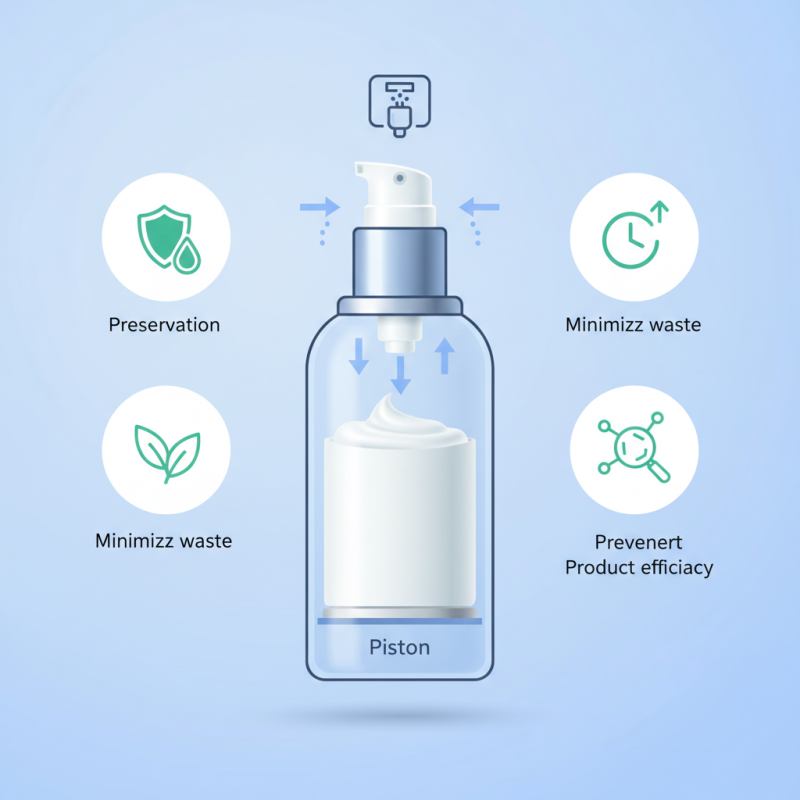
What is an Airless Bottle?
An airless bottle is a packaging solution designed to preserve the integrity of its contents. Unlike traditional bottles, airless designs prevent air from entering. This is crucial in protecting sensitive products like serums or creams from oxidation. Studies show that nearly 76% of consumers prefer products in airless packaging due to perceived freshness.
The mechanism of an airless bottle relies on a vacuum system. When the pump is pressed, the product is dispensed without exposure to air. This technology minimizes contamination and enhances shelf life. According to the Packaging Machinery Manufacturers Institute, airless bottle systems can extend the product's life by up to 15-20%. This is significant, as many skincare products have a limited shelf life.
Despite their advantages, airless bottles can be misunderstood. Some users feel that they may waste product due to the vacuum's efficiency. Users might not realize that a little goes a long way. Educating consumers on proper usage is vital. Misconceptions can lead to dissatisfaction, even if the product itself is high quality. Understanding how airless bottles work can greatly enhance the overall user experience.
The Design and Structure of Airless Bottles
Airless bottles are a remarkable innovation in packaging, specially designed to prevent product contamination and degradation. Their structure typically consists of a sealed chamber that minimizes exposure to air. This unique design helps preserve sensitive formulations, ensuring stability and effectiveness over time.
The main component of an airless bottle is a piston or a diaphragm system. When the pump is pressed, the piston moves upwards, creating a vacuum. This pushes the product upward, allowing for even dispensing without air exposure. Unlike traditional bottles, airless options do not require a straw or a dip tube, reducing waste and ensuring every drop of the product is utilized.
However, the manufacturing of airless bottles can be challenging. It requires precise engineering to ensure effective sealing and air prevention. If not properly designed, these bottles may malfunction, leading to product waste. Additionally, they can sometimes be more expensive than standard packaging. Despite these drawbacks, the benefits of maintaining product integrity often outweigh the challenges.
How Airless Bottles Minimize Product Contamination
Airless bottles are revolutionizing the way we package cosmetic products. These innovative containers minimize product contamination, ensuring that users receive the purest formulation possible. By using a vacuum system, airless bottles prevent air from entering the container. This design reduces oxidation and keeps the product fresh longer.
Without exposure to air, the risk of bacterial growth is significantly lowered. Many cosmetics, especially those with natural ingredients, can spoil quickly. With airless technology, manufacturers prioritize quality and safety. Users can enjoy their favorite creams, serums, or lotions without worrying about harmful contaminants.
However, airless bottles can present unique challenges. Some users might struggle with dispensing the right amount of product. Others may find it difficult to gauge how much remains inside. Addressing these issues requires continuous improvement in design. Balancing usability and safety is essential to enhance the overall experience. As technology advances, the future of packaging in cosmetics looks promising.
The Mechanism Behind Airless Dispensing Systems
Airless bottles have gained popularity for their unique dispensing methods. These bottles prevent air exposure, which can deteriorate sensitive ingredients. The airless mechanism uses a vacuum system to push out the product. When the pump is activated, a disc at the bottom rises, creating a vacuum. This ensures every last drop of the product can be used, minimizing waste.
One significant advantage of airless packaging is its ability to protect active ingredients. Many skincare products contain antioxidants and vitamins that are sensitive to air. By limiting exposure, products retain their efficacy longer. This is essential for both consumers and manufacturers, who seek longevity and quality.
Tips: Always check the manufacturer's instructions for best use. It's vital to understand your product to maximize results. Also, consider the bottle's material and its contribution to sustainability. Airless bottles can be more eco-friendly, but this varies by design. Reflect on your choices as a consumer. Airless technology is impressive but not perfect. Even the best designs can sometimes fail, potentially leading to frustration.
What is an Airless Bottle and How Does It Work? - The Mechanism Behind Airless Dispensing Systems
| Dimension | Details |
| Type of Airless System | Piston-Diaphragm |
| Material Used | PET, PP |
| Applications | Cosmetics, Skincare, Pharmaceuticals |
| Benefits | Minimizes Product Air Exposure, Preserves Ingredients, Reduces Contamination |
| Volume Range | 15ml to 100ml |
| Mechanism of Action | Creates Vacuum to Displace Product |
| Environmental Impact | Recyclable Components Available |
Advantages of Using Airless Bottles for Skincare Products
Airless bottles have become increasingly popular for packaging skincare products. They utilize innovative technology that prevents air from coming into contact with the product. This reduces oxidation and prolongs the shelf life of the ingredients. Many users appreciate this design for its effectiveness in maintaining product quality.
One major advantage of airless bottles is their ability to keep formulas stable. Without air exposure, active ingredients remain potent for a longer time. This is especially important for sensitive components like vitamins and antioxidants. Skincare enthusiasts often find that these products yield better results.
Tip: Always choose airless bottles for serums or creams that contain sensitive ingredients. These bottles ensure your products maintain their integrity.
Another benefit is the controlled dispensing. Users can get precise amounts of product with each pump. This reduces waste and mess, leading to a more enjoyable skincare routine. Airless bottles also come in sleek, modern designs. This aesthetic appeal makes them a favorite among consumers.
Tip: When switching to airless bottles, pay attention to how much product you dispense. It can be easy to use more than you need initially.
