Skip to content

What Are the Best Types of Smart Watch Bands?

A watch band can change more than the look of a smartwatch. It affects comfort, skin contact, fit, and how secure the watch feels during a walk or workout. Design researcher Don Norman offers a useful reminder: “Good design is actually a lot harder to notice than poor design.” That idea applies here: a suitable band often feels natural, while a poor match can rub, slip, or distract.

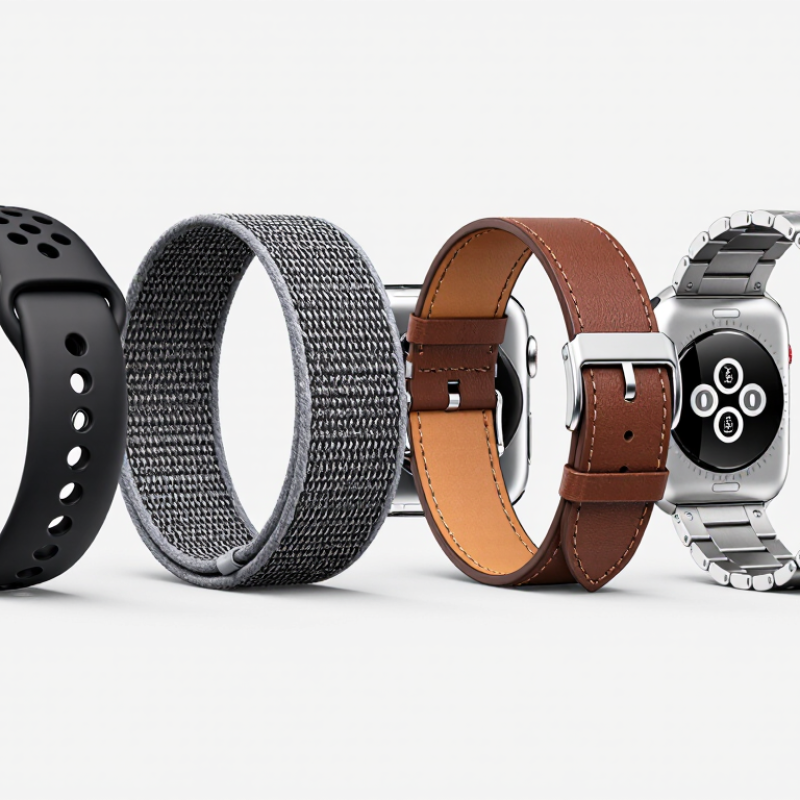
This guide compares popular Smart Watch Bands by material and everyday use. Silicone and fluoroelastomer bands are easy to rinse after exercise, though some wrists may feel warm beneath them. Nylon is lightweight and flexible; woven loops can also collect moisture. Leather adds a classic look, but usually needs more care around sweat and water. Metal bands feel sturdy and polished, yet their weight and clasp fit matter. Small details count.

We’ll also consider comfort, durability, adjustability, cleaning, and compatibility with your watch case. The best option depends on your routine, climate, skin sensitivity, and personal style—not just product photos. A band that works at a desk may feel wrong on a run. There is no perfect choice for everyone, and material labels alone cannot promise comfort. Check the connector, measure your wrist, and look closely at the fastening mechanism before buying. One honest caveat: even careful comparisons cannot predict how every band will feel after a full day of wear.
What Are the Best Types of Smart Watch Bands?

Smartwatch Band Types: Silicone, Fluoroelastomer, Nylon, Leather, and Metal

Silicone bands suit workouts and daily wear because they resist water and wipe clean with a damp cloth. They feel smooth, though sweat can collect underneath during a long run. Fluoroelastomer is another flexible option; it often holds its shape well through repeated bending and frequent cleaning. Check the fit after exercise, since a snug band can feel warmer than expected. Small details matter.

Nylon feels lighter and more breathable, especially in warm weather. Woven fabric can take longer to dry, and pale colors may show grime around the holes. Leather usually feels soft against the wrist and develops visible wear over time, but moisture can stain or stiffen it. It is a poor match for swimming. Metal bands offer a firmer feel and can let air pass between links, yet they may feel heavy or catch wrist hair. Not perfect, though. A well-fitted band should stay secure without leaving deep marks, and skin sensitivity varies. Give a new material a short trial before wearing it all day.

What Are the Best Types of Smart Watch Bands? — Silicone, Fluoroelastomer, Nylon, Leather, and Metal
Band Type Feel and Comfort Water and Sweat Durability and Care Best For Main Trade-Offs
Silicone Soft, flexible, and lightweight; easy to adjust for a close fit. Generally water-resistant and easy to rinse after exercise. Simple to clean with mild soap and water. Can collect lint or show wear over time. Swimming, workouts, everyday use, and people seeking an easy-care option. May feel warm or sticky against skin during prolonged wear, especially in hot weather.
Fluoroelastomer Smooth, flexible, and typically firm yet comfortable against the wrist. Resists water and commonly encountered oils and sweat; suitable for active use. Usually easy to wipe clean. Resistance to wear depends on the band’s formulation and construction. Frequent exercise, water exposure, and users who want a durable rubber-like feel. Can feel less breathable than woven fabric, and may be less flexible than softer silicone designs.
Nylon Lightweight and breathable, with a soft fabric feel; woven styles can flex with the wrist. Can absorb water and sweat, so it may take longer to dry than rubber-like materials. Often washable according to care instructions. Repeated friction or washing may cause fading or fraying. All-day comfort, casual wear, and users who prefer a fabric band. May retain moisture or odors if not cleaned and fully dried; less convenient for frequent swimming.
Leather Softens and conforms with use; offers a classic, dressier appearance. Not ideal for repeated exposure to water, sweat, or high humidity. Needs gentle care and should be allowed to dry naturally. Color and texture can change with age and use. Office wear, formal occasions, and users who prioritize a traditional look. Requires more maintenance and may wear sooner with frequent moisture exposure.
Metal Structured and smooth, with a substantial feel; weight varies by material and link design. Often suitable for everyday splashes, but water resistance and corrosion behavior depend on the metal, finish, and construction. Wipe clean and dry after exposure to moisture. Links and clasps may need occasional adjustment or cleaning. Work, formal settings, and users who want a polished, long-lasting style. Can be heavier than other options; links may pinch hair, and metal can feel cold or warm with temperature changes.

Comfort and Skin Contact: EU REACH Limits Nickel Release to 0.5 μg/cm²/Week

Comfort starts where a watch band meets the wrist. The buckle, pin, and clasp matter too; each can touch skin during hours of wear. Under EU REACH, nickel release from items intended for prolonged skin contact is limited to 0.5 μg/cm² per week. This measures nickel released onto the skin, not the total nickel inside a metal part. A low-release result can help guide material choices, but it does not guarantee that every wearer will feel comfortable.

Small details count. Smooth edges, a flexible strap, and a buckle that does not trap sweat can reduce rubbing on a warm day. Silicone, fabric, and leather avoid some metal contact, though coatings, dyes, or fittings may still irritate sensitive skin. Ask for clear material information or test documentation when available. “Nickel-free” wording alone may not explain how a clasp was assessed.

Still, a lab result cannot predict every wrist. Skin sensitivity varies, and wear conditions do too. After a long walk, check for redness where the buckle sits. Remove the band if irritation persists, and inspect worn coatings or rough edges. Some discomfort is easy to miss at first.

Water Use and Care: ISO 22810:2010 Sets Tests for Watch Water Resistance

ISO 22810:2010 sets requirements and test methods for water-resistant watches. It helps clarify what a watch can withstand under defined conditions, rather than promising safety in every wet situation. Tests may include exposure to water and pressure, while checks look for signs that moisture has entered the case. Conditions in a test room are controlled. A hot shower, sudden temperature change, or years of worn seals can tell a different story. A rating is useful, but it is not a promise for every day.

The standard concerns the watch, not the band. A silicone band may rinse clean after a swim, while a woven band can hold water and take longer to dry. Leather can stain or stiffen when repeatedly soaked. Check the care guidance for the band material, and rinse off salt or pool water with fresh water when appropriate. Dry the watch and band gently before wearing them again. Small details matter. I would not assume a water-resistant watch makes every band suitable for swimming; that distinction is easy to overlook. If moisture appears beneath the watch face, stop using it and seek qualified service.

Watch Water-Resistance Markings: Approximate Pressure Equivalents

The bars show approximate pressure equivalents for common depth markings, using about 1 bar per 10 metres of water. ISO 22810:2010 specifies tests and requirements for watch water resistance; a marked depth is not a guarantee of safe use at that actual depth. A band’s material does not determine the watch case’s water resistance.

Always follow the watch maker’s use and care instructions. Water resistance can change with wear, damage, or aging seals.

Durability by Material: ASTM D412 Tests Rubber and Elastomer Tensile Properties

Smartwatch bands flex against the wrist, sweat, and buckle repeatedly. For rubber and elastomer options, ASTM D412 provides a practical way to compare tensile behavior. ASTM International’s test method measures tensile strength, elongation at break, and stress at specified elongations. These figures describe how a specimen responds when pulled, not how long a finished band will last.

Read the test report closely. A band compound with higher tensile strength may resist pulling, while greater elongation can indicate more stretch before breaking. Neither number alone predicts comfort or service life. Check the specimen type, conditioning, test speed, and reported units; these details affect comparisons. ASTM D412 does not set a universal pass mark for watch bands. That matters. Ask suppliers for results from the actual compound, not a generic material family. Pair tensile data with hardness measurements, such as those made using ASTM D2240, and inspect buckle holes and thin edges for tearing. A report might look precise, yet real wrist wear includes sweat, skin oils, and repeated bending. Lab data is useful, but it is not the whole story.

Choosing the Right Band: Match Activity, Fit, Connector, and Manufacturer Sizing

Match the band to the activity, not just the watch face. For sweaty runs or strength sessions, a lightweight, washable band can feel less distracting than metal. A woven band may suit desk work, but it can hold moisture after hard exercise. Comfort matters. The American College of Sports Medicine’s 2024 Worldwide Survey of Fitness Trends ranked wearable technology first among 45 trends. That popularity makes daily wear more likely, but it does not make one band right for everyone. Fit is personal. Aim for a secure, comfortable fit that keeps the watch sensor in contact with your skin without pinching.

Check the connector before ordering: case size alone does not guarantee compatibility. Compare the watch’s connector type and band width with the manufacturer’s sizing guide, then measure your wrist where the watch sits. A gap can let the watch shift; a tight strap may leave pressure marks. I still get this wrong: a band can feel fine in a shop and rub after an hour of movement. If possible, try it while bending your wrist. Manufacturer size labels also vary, so use measurements rather than assuming “small” means the same thing across products.

Article Source: