Skip to content

10 Tips for Buying Decorative Plush Toys in Bulk

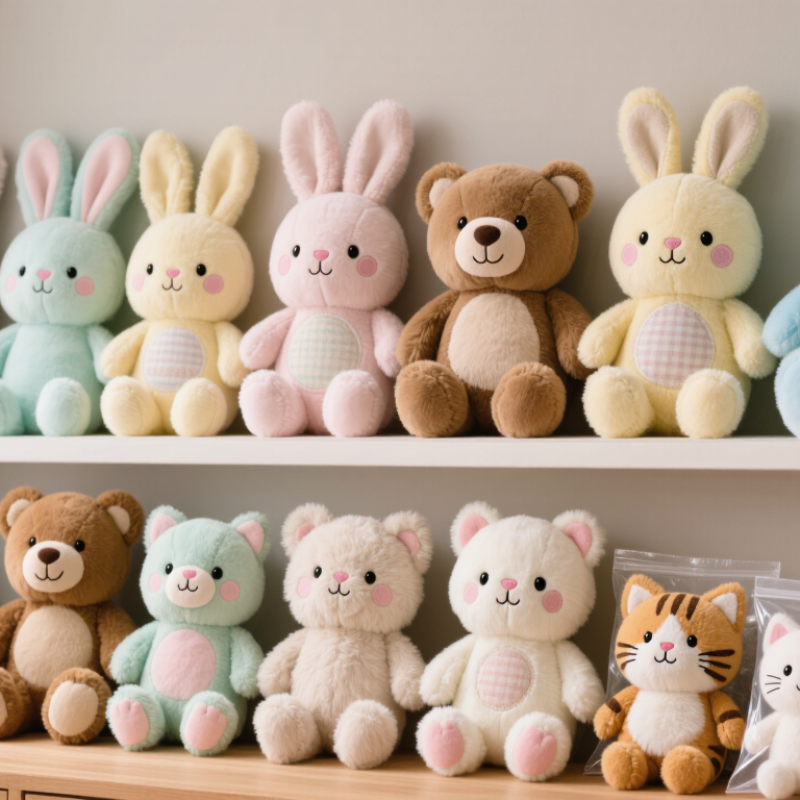
Decorative Plush Toys can turn an ordinary shelf, bed, or gift display into a warmer, more inviting space. Buying them in bulk, however, calls for more than choosing appealing colors. A buyer must compare fabric feel, stitching, size consistency, packaging, and sample quality. One loose seam can matter when it appears across a full carton.

Market data offers useful context, though it does not isolate decorative plush. Circana reported that U.S. toy sales fell 8% in 2023, reaching $28.3 billion. That broader market figure is a reminder to plan orders carefully rather than assume demand will absorb excess stock. Toy Association CEO Steve Pasierb has emphasized the importance of toys delivering meaningful play value. For decorative plush, that idea also points to comfort, durability, and a design people want to keep on display.

The following ten tips help buyers evaluate suppliers, request samples, compare quotes, and check production details before committing. Ask about minimum order quantities, lead times, carton dimensions, and customization costs. Touch the sample. Check its seams. A polished product photo can hide uneven embroidery or thin filling. Even a careful checklist has limits; one sample cannot reveal every production variation. That is worth remembering before a large order.
10 Tips for Buying Decorative Plush Toys in Bulk

Define Your Purpose and Requirements for Bulk Plush Toys

Before requesting bulk quotes, decide where the plush toys will be used and what they need to do. Are they shelf accents for a shop, table decorations for an event, or small gifts for visitors? Each purpose affects the ideal size, colors, fabric, and packaging. Start with the setting. Measure the display space and note nearby colors; a charming sample can look oversized on a crowded shelf.

Write down requirements that suppliers can check: target dimensions, preferred materials, color range, order quantity, delivery date, and packaging needs. If the toys will be handled often, ask about seam strength and whether surface details are securely attached. Request clear product specifications and a sample when possible. Check its stitching, feel, shape, and finish under ordinary indoor lighting. Small details matter.

Plan around the real budget, including sample fees, shipping, and possible packaging costs. Share reference photos, but explain which details are essential and which can change. The first estimate is rarely perfect. A color may look different in person, or a chosen size may not fit the display as expected. Leave room to revise the brief after reviewing a sample, and confirm the final specifications in writing before approving production.

Compare Suppliers and Verify Their Product Credentials

Compare suppliers on more than unit price. Request quotations showing minimum order quantities, sample fees, production times, and packaging details. Ask for current factory audit records and traceable production addresses. Check that certificates and test reports match the exact plush design, fabric, filling, and age grade—not just a similar product. A report for another model proves little. Details matter.

The U.S. Consumer Product Safety Commission estimated 231,700 toy-related emergency-department injuries in 2023. Its report covers toys broadly, not plush toys alone. Use that figure as context, not proof of a specific plush-toy risk. Ask suppliers for applicable test reports covering seams, small components, and material safety for your destination market. Then inspect pre-production samples: tug gently at embroidered features, check seam strength, and look for loose threads or uneven stuffing. Paperwork can miss a weak seam. Compare responses, too; a supplier who cannot explain a test date or batch number deserves another question. I would still request independent verification when order value or quality concerns justify it.

Evaluate Materials, Safety Standards, and Customization Options

When buying decorative plush toys in bulk, check the fabric, filling, and stitching before comparing prices. Ask for a sample made with the same materials as the production order. Rub the fabric gently and inspect whether fibers shed; press the toy to see if the filling springs back evenly. Small details matter. A scratchy surface or loose seam may become more noticeable across hundreds of pieces.

Tip: Request written material specifications and confirm that substitutions need your approval.

Safety checks should match the toy’s intended age group and use. Ask suppliers for current test reports and documentation against applicable safety standards in your target market. Review seams, attached decorations, and small components for potential detachment. Check colorfastness too, especially if the toys may be handled often. Do not rely on a sample alone; production quality can vary.

Tip: Agree on inspection criteria before placing the order, including acceptable seam gaps and labeling details.

Customization can include fabric colors, embroidery, clothing, hangtags, and packaging. Confirm the exact thread colors and artwork placement on a pre-production sample. Ask about minimum quantities, added costs, and realistic lead times for each option. A tiny design change can affect setup time. It is easy to over-customize; some details may not show clearly on a small toy.

Keep a signed sample or clear reference photos, and make sure both sides agree on what counts as an acceptable match.

Calculate Order Quantities, Pricing, and Shipping Costs

Estimate units from realistic sales, not the supplier’s minimum order. Add expected sales during the lead time to a modest safety stock, then subtract usable inventory. For example, if you expect to sell 240 toys before replenishment and hold 30 as backup, plan for 270 units minus stock on hand. A forecast can still be wrong; seasonal colors are easy to misjudge.

Tip: Request tiered quotes at several quantities. Compare unit price, sample fees, packaging, and payment terms. Then calculate landed cost: goods, freight, insurance, duties, and delivery fees, divided by sellable units. Small orders cost more. Ask for carton dimensions and gross weight, since bulky plush toys may incur volume-based freight charges. Check whether the quote includes port handling and final delivery.

UNCTAD’s Review of Maritime Transport 2024 reports that maritime shipping carries over 80% of world trade by volume. That figure does not set your freight rate, but it shows why route capacity and schedule changes matter. Request quotes for the same shipment details and delivery window, and confirm how long each quote remains valid. Keep a little budget for delays or revised charges. Not every estimate will hold.

Inspect Deliveries and Plan Storage for Bulk Inventory

When a bulk shipment arrives, count cartons before moving them and match the quantities against the purchase order. Photograph crushed corners, wet patches, and broken seals while the evidence is clear. Then open cartons from different parts of the load, not just the easiest ones. Check seams, loose filling, stains, odors, and labels against the approved sample. Small errors matter. Record the carton number and lot code beside each finding, and separate questionable stock until it is reviewed. A checklist helps, though it will not reveal every defect hidden inside a tightly packed carton.

Plan the storage space before ordering. Keep plush toys on clean pallets, away from floors, direct sunlight, heaters, and damp walls. Leave room for airflow and safe access; overfilled shelves make checks harder and can crush soft shapes. Use clear lot labels and a first-in, first-out rotation, especially for seasonal designs. MHI’s 2024 Annual Industry Report found that 55% of respondents planned to increase investment in supply-chain technology. A simple barcode log can make carton locations and inspection records easier to trace. Still, scanning is only useful when staff update it consistently. Set a practical stacking limit, check the lowest cartons after restocking, and review storage conditions after unusually humid or hot weeks.