How to Choose the Best Balm Lip Tint Supplier
Choosing the right supplier for Balm Lip Tint can shape product quality, launch timing, and customer trust. A reliable partner should explain formula options, shade development, packaging choices, and quality checks in clear terms. Look beyond a glossy sample: ask how color consistency is reviewed across batches and what records accompany ingredients and finished goods. Request samples in the intended packaging, then assess texture, scent, wear, and ease of application under realistic conditions. Small details matter. A cap that loosens in transit can undermine an otherwise strong product.
Compare minimum order quantities, lead times, reorder capacity, and communication before committing. Ask who handles formula adjustments, how shade approvals are documented, and how delays are shared. For a new brand, a modest pilot order can reveal issues that a presentation deck cannot. Still, the lowest quote is not always the lowest-risk choice. Review written specifications, sample approvals, and quality procedures, and verify product claims against applicable market requirements. Responsiveness matters, but promises alone are not evidence. Keep notes on feedback, defects, and corrective actions. No supplier is perfect. The useful question is whether problems are acknowledged and handled consistently. Choosing well takes patience, and sometimes a second sample changes the decision.
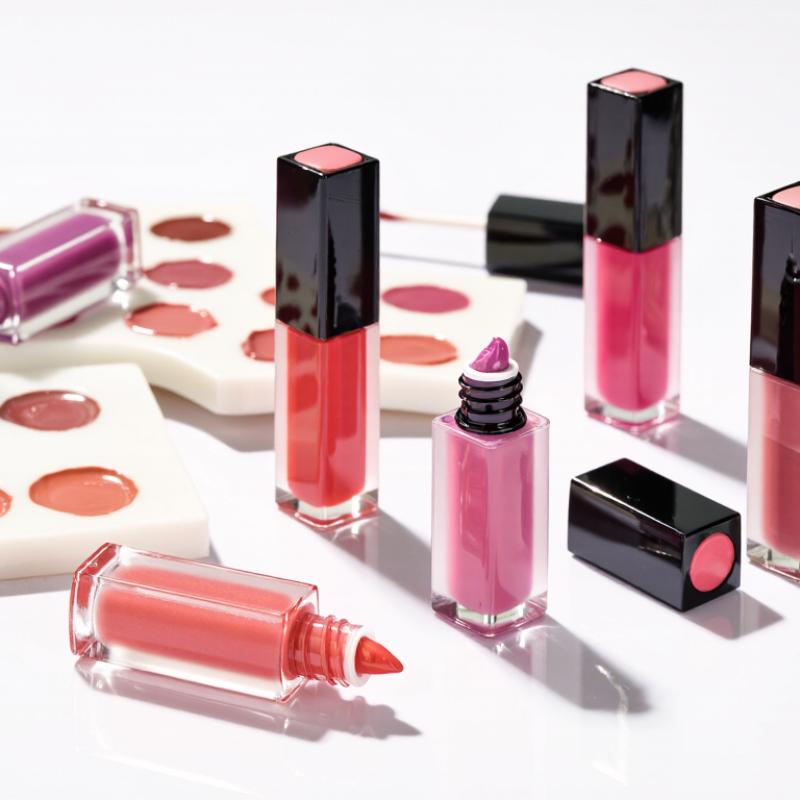
Define Your Balm Lip Tint Product Requirements
Before requesting quotes, define the product you actually need. Is it a sheer tinted balm, a buildable color, or a glossy stain? Set the target shade range, opacity, finish, scent, and wear time. Describe the texture with practical references, such as a waxy drag, a cushiony glide, or a tacky finish. Small details matter.
Then document formula and packaging requirements. Specify preferred ingredients, any ingredients to exclude, and the markets where you plan to sell. Ask suppliers for stability, compatibility, and microbial test results appropriate to the formula. McKinsey’s State of Fashion: Beauty report projects roughly 6% annual growth for the global beauty market through 2027; Grand View Research projects 5.9% annual growth for the lip care products market from 2024 to 2030. These forecasts suggest demand, not a guarantee for a particular product. Test in daylight.
A common planning mistake is choosing shades from digital swatches alone. Request physical samples, then check them across skin tones and under different lighting. Record acceptable color variation, fill weight, cap fit, and packaging materials. Define your target order quantity, sample fees, lead time, and tolerance for changes before approving production. One point often gets missed: “natural feel” is subjective. Translate it into measurable checks, and revise the brief after testing.
Assess Supplier Expertise, Certifications, and Compliance
When evaluating a balm lip tint supplier, look beyond a polished certificate pack. ISO’s 2022 Survey counted 1,265,216 valid ISO 9001 certificates worldwide, but ISO 9001 alone does not verify cosmetic-specific manufacturing skills. Ask whether the supplier follows cosmetic good manufacturing practices, such as ISO 22716, and confirm the certificate’s scope, site, and expiry date. Then request practical evidence: batch records, ingredient traceability, stability results, and packaging compatibility tests. A tint that separates in its tube is still a problem, even when its paperwork looks tidy. Ask to review a recent batch file.
Compliance should match the markets where you plan to sell. Request ingredient specifications, safety assessments, and evidence supporting product claims; check that labels and restricted-ingredient controls are reviewed for each target market. Cosmetics Europe’s 2023 report valued European cosmetics and personal care retail sales at €96 billion. That broad market figure is not proof of a supplier’s quality, but it shows why consistent controls matter across a large, varied industry. Ask how the supplier handles formula changes and out-of-specification batches. A useful answer includes records and named responsibilities, not just reassurance. Some documents may be incomplete or hard to interpret; flag the gaps and agree on a corrective plan before production.
Evaluate Formula Quality, Safety, and Customization Options
A balm lip tint should feel smooth on the first swipe, not waxy after ten minutes. When assessing a supplier, request the complete ingredient list, raw-material specifications, and recent certificates of analysis. Ask for stability and microbial test results, plus evidence that pigments remain evenly dispersed. A shade can look perfect in a sample pot and separate in its final tube. Test the actual pack. Check that the formula does not leak, dry out, or change odor during storage. No questionnaire catches every issue. I would still ask how the supplier investigates an unexpected test result, not only whether it passed.
Customization needs the same scrutiny as safety. Confirm available pigment ranges, levels of shine, fragrance options, and whether the supplier can adjust texture without disrupting stability. Ask for samples made with the intended packaging and production process; laboratory samples may not represent a full batch. Grand View Research estimated the global lip care products market at about US$2.07 billion in 2023, with projected growth through 2030. That broader category is not a balm-tint forecast, but it signals a busy market where clear product differentiation matters. Request written timelines, minimum order quantities, and change-control procedures. A small shade adjustment can affect repeatability, so document the approved color and finish before production.
Compare Manufacturing Capacity, Pricing, and Lead Times
When comparing balm lip tint suppliers, ask for verified monthly output, not just factory size. McKinsey and Business of Fashion’s 2023 State of Fashion: Beauty report projected the global beauty market would reach about $580 billion by 2027, growing roughly 6% annually. That forecast makes reliable capacity planning important, especially before seasonal launches.
Request recent production records, current line utilization, minimum order quantities, and a sample schedule. Ask for proof. A large stated capacity means little if several clients share the same filling line.
Compare quotes on the same basis. Check formula, tube, printing, testing, tooling, freight, and payment terms; a low unit price may exclude costly packaging steps. Ask the supplier to separate one-time charges from repeat-order costs.
Then map lead times by stage: lab samples, artwork approval, component sourcing, filling, and shipment. Get dates in writing, plus the assumptions behind them. A tint can be ready while its custom tube is still delayed.
Request a realistic delay scenario, too. It may feel overly cautious, but it reveals whether the supplier has backup components or only an optimistic timeline. A small pilot order can help test quality consistency and handoffs before committing to a larger run.
Verify Supplier Reliability Through Samples and References
How to Choose the Best Balm Lip Tint Supplier
A balm lip tint supplier may sound dependable during a sales call, but small production details matter more. Request samples from several batches, not just a polished presentation set. Check color consistency in daylight and indoor lighting. Wear each tint for several hours. Note whether it feels waxy, fades unevenly, or leaves a dry edge. Inspect the cap, label placement, and tube for leaks after carrying it in a bag. One sample cannot prove stable production. That is easy to forget.
Tips: Ask for dated samples, batch identifiers, shade specifications, and written lead times. Compare samples using the same checklist. Photograph swatches in consistent lighting. Keep notes. Small differences may indicate process variation, but they do not automatically make a supplier unreliable.
References provide context that samples cannot. Ask for two or three current customers with similar order sizes and product formats. Did shipments match approved samples? How were delays or defects handled? Were repeat orders consistent? Confirm that the contacts are genuine business buyers, and ask permission before contacting them. A positive reference may not represent every customer, so weigh it alongside documented quality checks, production capacity, and clear communication. If possible, place a modest trial order before committing to a large run. A beautiful sample is useful evidence, not a guarantee.
