Why Choose Long Torso Swimsuits for a Better Fit?
A swimsuit can look right on the hanger and still pull uncomfortably once you move. If you have a longer torso, standard one-piece styles may ride upward, tug at the shoulders, or feel tight across the body. Long Torso Swimsuits are designed with extra length through the torso, helping the fabric sit more naturally from shoulder to hip.
The difference is tangible. Think of straps that stay in place as you reach for a beach towel, and leg openings that do not shift when you climb out of the pool. A better fit can make swimming, walking, and lounging feel easier. Comfort matters.
Still, extra length alone does not guarantee the right swimsuit. Torso proportions vary, and sizing can differ between brands. Check the garment’s measurements, review the return policy, and consider adjustable straps or a tie-back when you want more flexibility. Fit is personal.
A useful fitting principle is simple: the suit should move with you, not pull against you. I cannot verify a named industry expert’s quotation from the material provided, so I will not attribute invented words to one. A sourced expert quote can strengthen this introduction; until then, careful fit guidance is more trustworthy than a made-up endorsement.
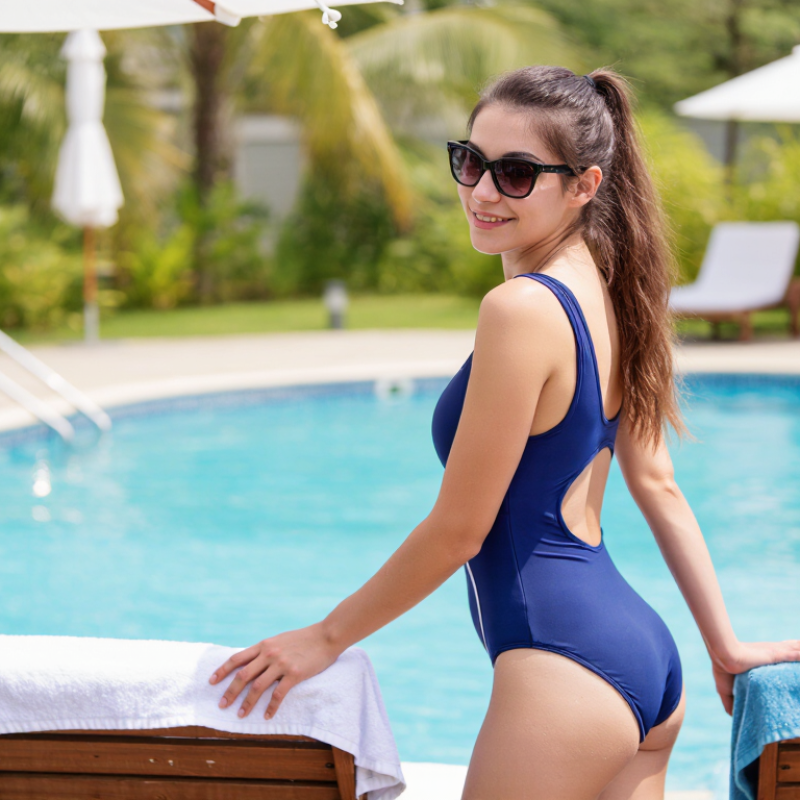
What Defines a Long Torso Swimsuit?
A long torso swimsuit is cut with extra vertical length through the body, from shoulder to crotch. It is not simply a larger size. The additional room helps reduce shoulder-strap pulling, a low crotch, or fabric that rides upward when you move. No single cutoff. Swimwear sizing does not use one universal measurement to define a “long torso,” so fit matters more than the label.
The CDC’s Anthropometric Reference Data for Children and Adults: United States, 2015–2018 reports an average stature of 161.5 cm for adult women. It also records sitting height as a separate measurement, showing why overall height alone cannot describe body proportions. For a practical check, try the suit on and reach overhead, sit, and bend. The straps should stay comfortable, while the fabric should lie smoothly across the torso without pulling hard at the shoulders or hips. A longer-body cut may help, but it will not solve every fit issue; torso length, bust shape, and leg opening all affect comfort. Sizing charts can still miss real bodies. That limitation deserves attention.
Why Choose a Long-Torso Swimsuit?
A long-torso swimsuit has extra vertical length in its body pattern to help reduce pulling at the shoulders and uncomfortable tension through the torso. There is no universal torso-length cutoff, so compare your own measurement with each swimsuit’s size and fit guidance.
How to measure: With a flexible tape, start at one shoulder, run it down the front of your body through the crotch, then up your back to the same shoulder. The chart shows exact inch-to-centimeter conversions for reference—not swimsuit size limits. Compare your measurement with the garment’s fit guidance, and look for a long-torso option if a standard suit feels too short or pulls upward.
Design Features That Accommodate a Longer Torso
Long-torso swimsuits add vertical length between the shoulder and gusset, reducing the upward pull that can make a standard one-piece feel tight. Look for a longer body measurement, not simply a larger size. Extra room may ease pressure on the shoulders and help keep the leg openings comfortable. Small design details matter. Adjustable straps let you fine-tune support, while flexible panels can move with your body. Ruching may soften the look of the fabric, though it is not a substitute for a good fit.
Tips: Measure from your shoulder, down through your legs, and back to the shoulder. Compare that torso measurement with the garment’s size chart. Check strap comfort and coverage while sitting and raising your arms, too.
Fit varies by body shape and swimsuit cut. A longer torso does not always mean you need more room everywhere; sizing up can leave the bust or hips loose. Check where seams sit and whether the fabric pulls when you move. Still, some styles may feel right in the fitting room and less comfortable after a swim, so pay attention to pressure points rather than appearance alone.
Fit and Comfort Benefits for Different Body Shapes
Long torso swimsuits can make a noticeable difference when standard suits pull at the shoulders or sit too low across the hips. Extra torso length gives the fabric more room to follow the body, rather than stretching tightly from shoulder to crotch. That can help reduce tugging when reaching or sitting.
Small detail, big difference.
Different shapes benefit in different ways. A longer torso may need added length, while a fuller bust or wider hips may need more room in specific areas too. Look for adjustable straps, supportive lining, and leg openings that lie flat without digging in. In a fitting room, raise your arms and sit down. If the suit shifts sharply or feels strained, the cut may not suit your proportions. Still, extra length is not automatically better; too much fabric can wrinkle or bunch.
Sizing by height alone can be misleading. Measure from shoulder to crotch along the body, and compare that measurement with the garment’s fit guidance when available. Pay attention to torso length and the areas where you prefer more coverage. A suit should feel secure, not restrictive, when wet fabric becomes heavier. One imperfect clue: a comfortable first impression may change after a few minutes of movement, so check how the straps and seams feel as you move.
How to Choose the Right Long Torso Swimsuit
Choosing the right long torso swimsuit starts with measuring your body, not guessing from your usual size. Measure from the shoulder, down through the torso, and up to the crotch, keeping the tape comfortably close without pulling it tight. Then compare that measurement with the garment’s size chart. A tape measure helps.
Check bust and hip measurements too, since extra torso length does not guarantee a good fit everywhere. If your measurements fall between sizes, look for fabric with comfortable stretch and adjustable straps. A suit that is too short may pull at the shoulders or create tension across the hips. Those are useful clues.
When trying one on, raise your arms, sit down, and bend gently. The fabric should stay in place without digging into your shoulders or feeling loose at the leg openings. Pay attention to the torso length while standing and moving; a swimsuit can feel fine in front of a mirror but different after a few steps. Fit is not always neat. If you are unsure, check the return policy before ordering, and remember that sizing charts can vary.
