Skip to content

How to Choose Mini Dresses for Your Boutique?

Choosing Mini Dresses for a boutique is less about chasing every trend than building a range customers can wear and trust. A strong selection balances fit, fabric, price, and the occasions each style suits. Look closely at waist placement, hem movement, lining, and closures before judging a dress by its product photo. Small details matter. A skirt that rides up when walking or a zipper that catches can quickly turn a promising style into a disappointing purchase.

This guide explores how to select mini dresses that fit your boutique’s audience and merchandising goals. It considers silhouettes, fabric quality, size coverage, seasonal colors, and price points, along with practical checks to make before ordering. Ask suppliers for clear measurements and fabric details, then compare samples when possible. Check whether the material feels comfortable, holds its shape, and needs special care. These checks are useful, but they cannot predict every customer’s preference. That is worth admitting. Review sales and customer feedback, and adjust future orders rather than relying on assumptions. A balanced assortment might pair a simple, lined dress with a bolder print or textured option. The goal is not to stock every look; it is to choose Mini Dresses that feel appealing on the hanger and dependable in everyday wear.
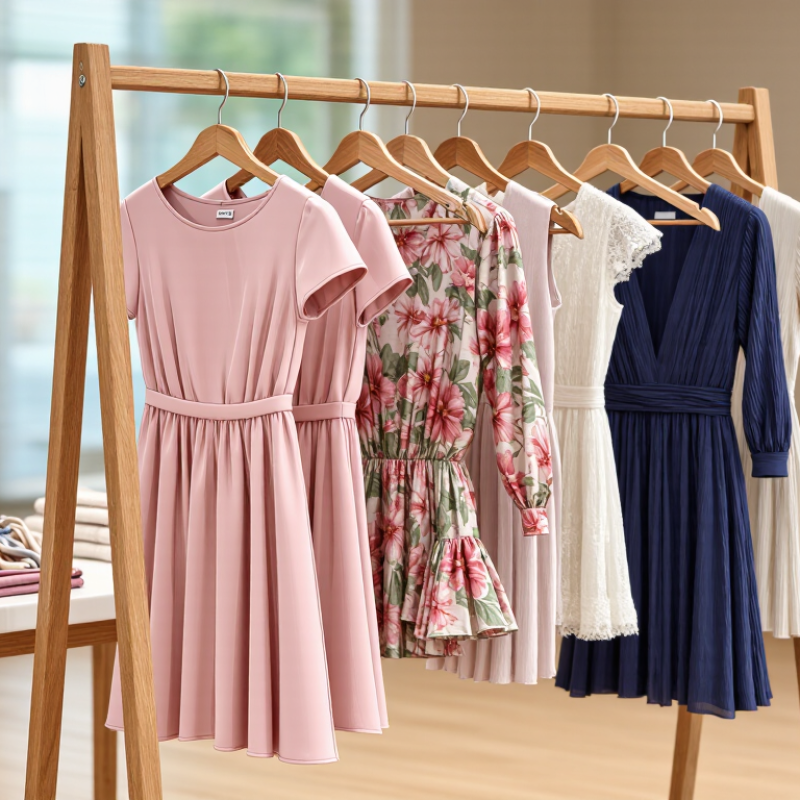
How to Choose Mini Dresses for Your Boutique?

Define Your Boutique’s Customer and Mini Dress Selection Goals

Before choosing mini dresses, define who shops at your boutique and when they wear them. A college-town customer may want easy daytime styles, while event-focused shoppers may look for structured fabrics and polished details. Review sales by size, color, and occasion, then compare them with customer questions and fitting-room feedback. A few conversations can reveal more than assumptions. Still, one busy weekend is not a full trend report.

Set clear selection goals. Decide how many casual, work-appropriate, and occasion-ready options you need, and choose a price range that fits your customers. Check garment measurements, lining, fabric weight, and care instructions before ordering. These details affect comfort and returns. Offer enough variation in hemline and silhouette, but avoid buying too many versions of the same dress. Small test orders help you assess demand. Sometimes the first choice misses.

Tips: Keep a simple note of requests, sell-through, and returns. Revisit it after each delivery. If customers repeatedly ask for more coverage or different sizing, adjust the next order rather than defending the original plan.

How to Choose Mini Dresses for Your Boutique?

Define your boutique’s customer and mini dress selection goals

Suggested planning priorities, scored from 1 (lower priority) to 5 (higher priority)—not market survey results. Use customer feedback, sales, returns, and fit notes to set priorities for your boutique.

Compare Mini Dress Styles, Fabrics, and Intended Occasions

Choose mini dresses by occasion before choosing a silhouette. A crisp A-line style suits daytime events and allows room to move; a fitted knit or slip dress may work better for evening plans. Shirt dresses offer useful versatility, but buttons can gape across the bust. Check garment measurements against a sample, not just the size label.

Fabric changes both comfort and perceived value. Cotton poplin feels structured, while viscose drapes softly and may need careful handling. Textile Exchange’s Materials Market Report 2024 estimates polyester made up 57% of global fiber production in 2023. That figure is a sourcing snapshot, not proof that polyester suits every customer. Touch matters. I’d test opacity, recovery, and how the fabric feels after sitting; a quick fitting can reveal issues a product photo cannot. The NRF’s 2024 Retail Returns Landscape estimated that 16.9% of U.S. retail sales were returned in 2024, underscoring why clear fit notes and accurate measurements matter.

Tips: Build a small occasion-based edit: one casual option, one polished day dress, and one evening style. Note hem length, lining, stretch, and care instructions on each sample. Then compare customer feedback with sell-through. A slightly imperfect first assortment is normal; adjust the next order using what shoppers actually tried on and bought.

How to Choose Mini Dresses for Your Boutique? — Compare Mini Dress Styles, Fabrics, and Intended Occasions
Mini Dress Style Typical Silhouette and Details Common Fabrics Suitable Occasions Buying and Styling Considerations
A-Line Fitted through the bodice with a skirt that gradually widens toward the hem. Cotton poplin, linen blends, lightweight twill, or crepe. Daywear, casual gatherings, brunch, and warm-weather events. A versatile shape that allows ease of movement. Check the waist placement and skirt volume when selecting sizes.
Bodycon Close-fitting from the bodice through the hips, often with stretch for a snug fit. Ribbed knit, jersey, stretch crepe, or fabric blends containing elastane. Evening outings, parties, and dressy social events. Look for clear stretch and recovery information. Consider lining and fabric weight for opacity and comfort.
Shift A relatively straight cut that hangs from the shoulders and is less defined at the waist. Cotton, linen, ponte knit, or lightweight crepe. Everyday wear, casual office settings where appropriate, and daytime events. Shoulder fit is important because the shape has limited waist shaping. Review garment measurements for a comfortable fit.
Wrap A front panel crosses over the other and is secured with a tie or fastening, creating an adjustable waist. Viscose, rayon, lightweight woven crepe, or soft jersey. Brunch, daytime celebrations, dinners, and travel. Check how securely the front closes and whether the neckline suits the intended customer. A camisole can provide extra coverage.
Shirt Dress Shirt-inspired styling, often with a collar, button front, and optional waist tie. Cotton poplin, chambray, linen, or Tencel™ lyocell fabric. Casual outings, daytime events, and relaxed holidays. Consider whether buttons stay closed across the chest and hips. A belt can define the waist; wearing it open over shorts creates a layered look.
Slip A streamlined, often bias-cut shape with narrow straps and a softly draped fit. Silk, satin, viscose, or polyester satin. Evening events, parties, and layered day-to-night looks. Check the lining, strap adjustability, and fabric transparency. A light cardigan or jacket can add coverage and warmth.
Smocked or Tiered Often features a stretchy smocked bodice, gathered sections, or a tiered skirt for added volume. Cotton voile, cotton lawn, viscose, or lightweight rayon. Summer outings, garden gatherings, vacations, and casual celebrations. Smocking offers flexibility in the bodice, while gathered skirts add volume. Check lining and fabric weight for coverage and comfort.
Blazer Dress Structured, jacket-inspired styling, commonly with lapels, darts, and a tailored shape. Suiting fabric, crepe, ponte knit, or lightweight wool blends. Evening occasions, parties, and polished social events. Prioritize shoulder fit, secure closures, and comfortable arm movement. The structured fabric can feel warmer than lightweight woven styles.

Assess Fit, Size Range, Quality, and Construction

Mini dresses leave little room for fit errors. Fit matters. Check the shoulder line, bust ease, waist placement, and hem while the wearer sits and raises her arms. A hem that looks balanced on a hanger may ride up during movement. Compare garment measurements with a clear size chart, and review samples across the full size range. One sample is not enough.

Inspect fabric recovery, seam finish, lining, and closures under bright light. Feel the seams. Gently stretch the fabric, then check whether it returns to shape. NRF and Appriss Retail’s 2023 returns report estimated returns at 14.5% of retail sales; their 2024 report estimated 16.9%. These are broad retail figures, not mini-dress return rates, but they make fit and quality worth checking closely.

Ask suppliers for graded measurements and fabric details, then measure the delivered sample yourself. Check zipper movement and stitch consistency at the side seams, armholes, and hem. Wash or steam a sample as its care label directs, and note any shrinkage or twisting. A first sample can still fool you. I would not treat a neat finish as proof of durability; wear-testing often reveals weak points that a quick inspection misses.

Choose Colors, Prints, and Seasonal Assortment Quantities

Build a compact color story around shades your customers already wear. Black, cream, and soft blue can anchor the rack, while one brighter tone adds visual interest. Keep it edited. Too many competing colors make a small boutique feel crowded and can split demand across similar styles. Check fabric opacity and lining in daylight; pale mini dresses may need more coverage than product photos suggest.

Choose prints for both appeal and practicality. Small florals and narrow stripes often pair easily with existing jackets, while large, high-contrast motifs draw attention in a window display. Ask suppliers for clear close-up images, and check whether print placement varies between garments. I have found that a striking print can sell quickly, but ordering too deeply is a gamble. That balance is not exact.

Set seasonal quantities by style, color, and size rather than using one fixed ratio. For a new silhouette, test a shallow buy across a few sizes, then reorder if delivery times allow. Increase units for reliable basics and proven colors; limit novelty prints until sales data supports them. Review weekly sell-through, returns, and requests for missing sizes. A sunny weekend can distort the picture. Compare several weeks before shifting the next order, and leave room for weather changes or late-season demand.

Evaluate Suppliers, Pricing, and Inventory Needs

Choosing mini dresses starts with suppliers you can assess, not just attractive catalog photos. Request current size charts, fabric details, garment measurements, and close-up photos of stitching, zippers, and hems. Order samples in more than one size when fit consistency matters. Check the details. Compare quoted lead times with your selling calendar, and ask how unavailable sizes are handled. A clear answer is useful; a written answer is better. Keep notes on sample fit, color, packaging, and response time. These checks make supplier comparisons less dependent on memory.

Calculate the full cost per dress, including shipping, packaging, payment fees, and import charges where applicable. Set your target margin against a realistic selling price, allowing for seasonal discounts or occasional returns. Small batches help. Use sales records, local customer preferences, and upcoming events to estimate size and color demand. A trial order can show whether a supplier’s measurements match the sample and whether delivery timing holds up. Forecasts are imperfect; mine often miss a size or color. Review sales weekly, then reorder proven styles rather than filling shelves with guesses. Track stock by style, size, and color so slow-moving pieces are visible before the next purchase.

Article Source: