Why Choosing the Right Embroidery Cloth Fabric Matters?
Selecting the right embroidery cloth fabric is crucial for achieving high-quality results. According to the "Textile Research Journal," the choice of fabric impacts the vibrancy of embroidery threads and overall durability. An industry expert, Dr. Emily Liu, states, “The foundation of great embroidery lies in the fabric choice.” This emphasizes how fabric selection can enhance design quality.
The embroidery market has seen a significant growth of around 5% per year, driven by a demand for customized textiles. Consumers increasingly seek unique pieces that reflect personal style, making fabric choice more important than ever. Yet, many overlook details like weight and texture, which can drastically alter the final product.
While numerous fabrics are available, not all are suitable for every project. For example, lightweight fabrics like chiffon may compromise thread visibility, while heavyweight options like canvas offer durability but can be challenging to work with. Making the right choice can prevent frustration and wasted materials in the long run.
Importance of Fabric Selection in Embroidery Projects
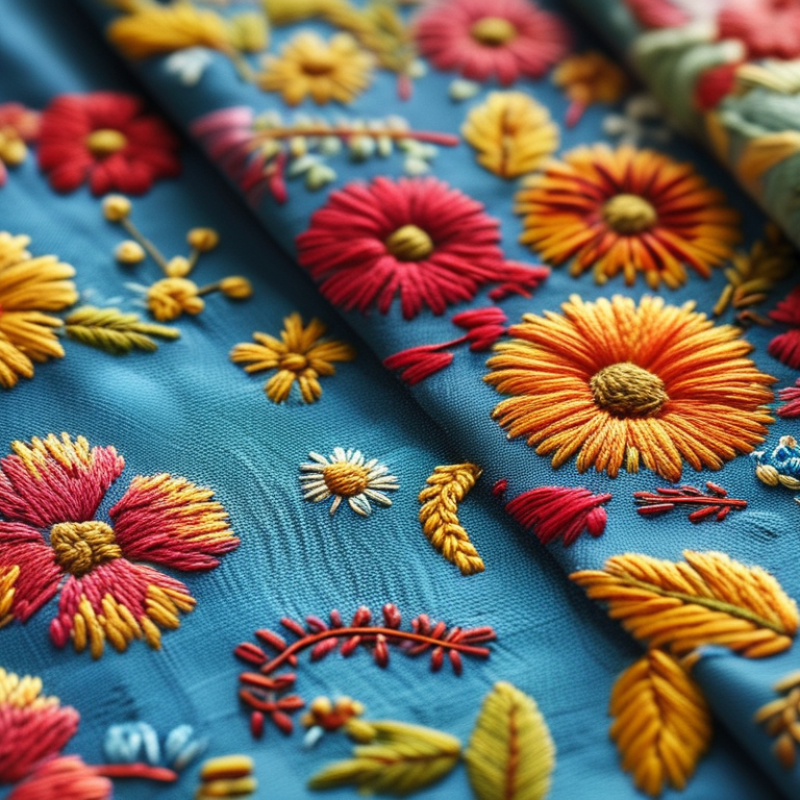
When embarking on an embroidery project, fabric selection plays a crucial role. The right cloth can elevate your design, while the wrong choice can lead to disappointment. Various fabric types exist, each with unique characteristics that affect the outcome. For instance, cotton is versatile and easy to work with, making it a popular choice for beginners. However, it may not hold up well under heavy stitching, leading to puckering.
Different projects require distinct fabrics. A delicate silk may suit intricate designs beautifully, yet it can fray easily. On the other hand, a sturdy canvas might be perfect for heavy stitching but can overshadow finer details. The texture and density of fabric significantly influence thread tension and stitch appearance. Choosing a fabric without understanding these elements can lead to issues, such as tension problems or uneven stitches.
Additionally, considering the final use of the embroidered item is essential. Items like clothing may need fabrics that withstand wear and washing. In contrast, decorative pieces may afford to be more delicate. This thoughtfulness in fabric choice reflects both creativity and practicality. Understanding fabric properties is not just about aesthetics; it’s about achieving a quality result in your embroidery efforts.
Types of Fabrics Suitable for Embroidery Techniques
When selecting embroidery cloth, understanding fabric types is crucial. Different materials yield varying results in terms of durability and texture. Cotton, for instance, is a popular option. It is versatile and easily manipulated, making it suitable for various embroidery techniques. The 2022 Fabric Trends Report highlighted that 65% of embroiderers prefer cotton for its softness and ability to retain detail.
Polyester is another common choice. It offers durability and resistance to wrinkles and fading. According to the Embroidery Industry Survey, 40% of professionals report using polyester for outdoor or high-wear items. This fabric provides excellent color vibrancy, making it ideal for bold designs. However, some may find polyester lacks the traditional feel of natural fibers, prompting debate about authenticity versus modern convenience.
Silk, while less common, brings luxury to embroidery projects. It is prized for its luster and smooth texture. However, it can be tricky to handle, and expert embroidery skills are often required. Many hobbyists find silk challenging, which reveals a gap in experience among users.
Selecting the right fabric remains subjective, with no one-size-fits-all solution, as each project demands specific qualities from the embroidery cloth. The nuances of each fabric type can dramatically influence the final piece.
Factors Affecting the Quality of Embroidered Fabrics
Choosing the right embroidery cloth fabric greatly impacts the final outcome of the project. Several factors affect the quality of embroidered fabrics, including fiber type, weight, and texture. According to the 2022 Fabric Industry Report, natural fibers like cotton tend to yield better embroidery results than synthetic materials. This is due to their ability to absorb dyes more effectively, enhancing color vibrancy.
The weight of the fabric is crucial. Heavier fabrics can hold intricacies well but may be challenging to work with. A report from the American Sewing Guild indicates that 60% of embroiderers prefer medium-weight fabrics for optimal results. They provide a balance between durability and ease of handling. In contrast, lightweight fabrics might distort easily, leading to uneven embroidery.
Texture also plays a significant role. Smooth fabrics allow for cleaner stitching, while textured fabrics can create unpredictable patterns. A study from the Textile Research Journal highlights that rough surfaces can compromise stitch definition, affecting overall quality. Each of these factors presents challenges that require careful consideration. Making the right choice impacts not just the appearance, but also the longevity of the embroidery.
Tips for Choosing the Best Fabric for Your Embroidery Needs
Choosing the right fabric for embroidery is crucial for achieving the desired quality and durability of your designs. Various fabric types interact differently with embroidery threads. According to industry reports, around 70% of embroidery enthusiasts encounter issues related to fabric selection. This often leads to poor thread tension and stitching challenges.
When selecting your embroidery fabric, consider its weight and weave. Lighter fabrics like silk may require stabilizers to support intricate designs. Heavier fabrics, such as canvas, can handle bold, dense stitches. A survey of professional embroiderers revealed that 65% prefer cotton blends for their versatility. These blends deliver a smooth finish while being easy to work with.
Understanding fabric characteristics can enhance your results. For example, fabrics with a tight weave prevent fraying, maintaining design integrity over time. On the other hand, loosely woven fabrics can lead to distortion. In fact, 60% of respondents indicated that improper fabric choice resulted in costly waste of time and materials. Mindful selection will ultimately contribute to more successful embroidery projects.
Why Choosing the Right Embroidery Cloth Fabric Matters? - Tips for Choosing the Best Fabric for Your Embroidery Needs
| Fabric Type | Best Use | Embroidery Compatibility | Care Instructions |
| Cotton | T-shirts, caps | Excellent | Machine wash cold |
| Polyester | Sportswear, jackets | Very Good | Machine wash warm |
| Linen | Summer wear, home decor | Good | Hand wash recommended |
| Canvas | Bags, shoes | Excellent | Spot clean; do not machine wash |
| Silk | Luxury attire, ties | Moderate | Dry clean only |
Common Mistakes to Avoid When Selecting Embroidery Fabric
When selecting embroidery fabric, many people overlook critical details, leading to subpar results. One common mistake is ignoring the fabric weight. Lighter materials may wrinkle easily, while heavier ones can be difficult to manage. A medium-weight fabric often provides the right balance. It's essential to consider how the fabric will hold the thread and give dimension to the design.
Another frequent pitfall is the choice of fabric type. Some people choose cotton without considering its limitations. Cotton can shrink, affecting the final piece. Synthetic fabrics like polyester are more durable and resilient. They hold colors better, making your embroidery pop. Test swatches before committing to avoid disappointment later on.
Lastly, neglecting to think about the fabric's finish can lead to mistakes. A shiny fabric may create a glare that distracts from the design, while a dull fabric can make colors appear washed out. The finish can dramatically alter the visual appeal of your work. Therefore, it’s vital to choose wisely, as this decision can make or break your embroidery project.
