How to Choose the Best Silicone Baby Bib?
Choosing the right Silicone Baby Bib is less about color and more about what happens at the table. A bib should catch soft banana, yogurt, and the small spills that slide off a spoon. It should also sit comfortably, without rubbing a baby’s neck or making movement awkward. The best choice depends on your child’s age, eating habits, and how much cleanup you can manage.
Look closely at the silicone, neck opening, pocket shape, and fastening points. A deep, open pocket can catch food; a stiff or tightly folded one may not. Check whether the bib feels flexible in your hands, and follow the maker’s care instructions. “Food-grade” wording alone does not tell you everything about fit, durability, or cleaning. Small details matter.
There is one detail I will not fake: no source material was provided to verify an industry expert’s name or quotation. Inventing one would undermine the trust this guide should earn. Instead, use a practical test: fasten the bib gently, check that your baby can turn their head freely, then look for food trapped around the neck and pocket seams after a meal. Real kitchens are messy. A little mess is part of learning, and no bib catches every crumb.
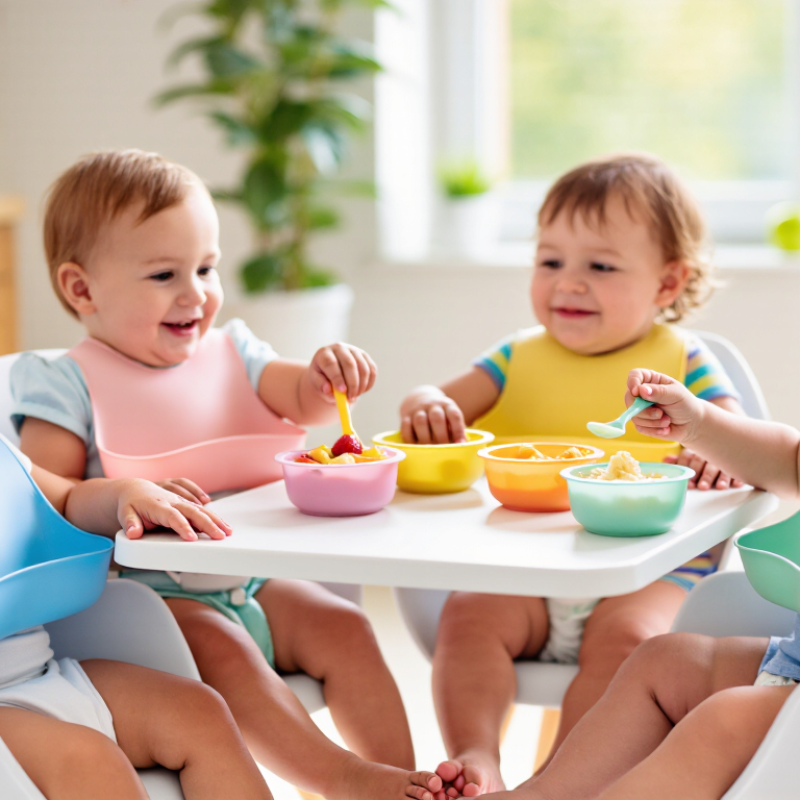
Key Features That Define a Silicone Baby Bib
A silicone baby bib should make mealtime easier without getting in the way. Look for a soft, flexible body that rests comfortably against a baby’s chest. Stiff edges can rub, while a bib that is too light may fold under a bowl or slip aside. The fit matters. Adjustable neck closures offer room to adapt, but check that they fasten securely and do not pinch.
A deep, open catch pocket can collect small pieces of banana, cereal, or pasta before they reach the floor. Its shape matters more than its size alone: a pocket that collapses when the baby leans forward may catch very little. Smooth surfaces and rounded edges are easier to wipe clean. After a meal, inspect the neck area and pocket seams for trapped food. Rinse promptly when possible.
Material details deserve attention. Choose a bib with clear information about its silicone composition and care instructions, and follow the manufacturer’s guidance for washing and use. Not every dishwasher or cleaning routine suits every product. A simple design may be easier to maintain, though it can look less polished. That trade-off is worth considering. Check the bib regularly for tears, sticky patches, or damage, and stop using it if it no longer stays intact or fits comfortably.
How to Choose the Best Silicone Baby Bib
Key features to consider when comparing silicone baby bibs
Scores are an editorial guide to practical selection priorities, not laboratory measurements or survey results. Look for a food-contact-safe material, a secure adjustable neck, a catch pocket that stays open, and easy cleaning. Always follow the manufacturer’s care instructions and supervise babies while they eat.
How to Check Fit, Comfort, and Age Suitability
A good fit starts at the neck. Fasten the bib so it stays in place without pressing into the skin. You should be able to slide a finger beneath the closure. The bib should cover the chest and sit below the chin, not crowd the baby’s mouth. Check the fit again when your baby turns or leans forward. A pocket that folds flat may catch little food.
Comfort matters during a whole meal. Look for smooth edges and flexible silicone that bends without digging into the shoulders. Feel the surface for rough seams or sharp corners. Keep it simple. If your baby pulls at the bib, gags on its edge, or develops red marks, remove it and reassess the fit. I’ve found that a bib can look roomy on a table but feel different on a wiggly child; that first impression is not always reliable.
Age suitability depends on the child and the product’s stated age guidance. Check the maker’s instructions, including any notes about closure size and cleaning. A bib is not a teething toy, and it should not be left on during sleep. For younger babies, choose a shape that does not interfere with feeding or head movement, and supervise every meal. Babies grow quickly, so a comfortable fit today may need checking again in a few weeks.
How to Evaluate the Food-Catching Pocket
When evaluating a silicone bib, check the pocket while the bib is fastened on a child, not only while it lies flat. Its opening should stay wide enough to catch dropped food without pressing against the child’s body. Gently flex the lower edge: a pocket that folds inward easily may miss food when the child leans forward. Small details matter.
The USDA estimates that 30–40% of the U.S. food supply is lost or wasted each year (USDA, “Food Loss and Waste,” 2014). That figure is not specific to babies or bibs, so it cannot prove that a deeper pocket reduces household waste. Still, it is a reminder to consider what falls from the highchair. Look for a pocket with a broad opening and enough depth to hold small, soft pieces without spilling when the child shifts position.
Try the bib over the highchair tray and inspect the pocket from the side. Does its rim stay open? Can you rinse food from its corners without scrubbing? Check the maker’s cleaning instructions, too; residue can collect in folds. I would not judge by depth alone. A very deep pocket may feel bulky, and that trade-off is easy to overlook. Always supervise feeding, and remove the bib after mealtime.
How to Choose a Bib That Fits Your Budget and Routine
A silicone baby bib does not need to be expensive to earn a place in your daily routine. Start with the messes you handle most: thin purées, soft fruit, or a full handful of cereal. A deep, open pocket can catch food that misses the mouth, while a flexible neck closure makes quick changes easier. Check that the edges feel smooth and the bib sits comfortably without pressing against your baby’s neck.
Think about cleanup before comparing prices. A bib that rinses clean under the tap may suit busy evenings better than one with extra features you rarely use. If you often eat away from home, consider whether it folds or fits easily in your diaper bag. Small details matter. A bib that is awkward to wash can become one more thing left in the sink.
For a tighter budget, choose a simple design with sturdy, easy-to-clean silicone rather than paying for decorative extras. Read the care instructions and inspect the closure and pocket regularly for wear. Follow the product’s guidance for fit and use, and supervise your baby during meals. It is easy to assume one bib will work for every meal, but your routine may prove otherwise. A practical choice is the one you can clean, store, and reach without fuss.
