Why Paper Boxes Are Essential for Your Packaging Needs?
Paper boxes play a crucial role in the packaging industry. They are not just containers; they reflect a brand's commitment to quality and sustainability. According to a report by Smithers Pira, the global market for paper packaging will reach $500 billion by 2027. This growth highlights the importance of using eco-friendly materials, with paper boxes leading the way in sustainable packaging solutions.
The versatility of paper boxes is impressive. They cater to various industries, from food to electronics. In 2021, 70% of consumers preferred products with sustainable packaging, as reported by Nielsen. This preference drives companies to adopt paper boxes, aligning with their customers' values. The manufacturing process for these boxes has also advanced, ensuring they remain strong yet lightweight.
Businesses must reflect on their packaging choices. While paper boxes offer many benefits, it's crucial to assess cost implications and supplier reliability. Not all paper boxes are created equal; some may not provide adequate protection. This calls for careful evaluation of material quality and design. Ultimately, paper boxes remain essential for modern packaging needs, presenting both opportunities and challenges for brands.
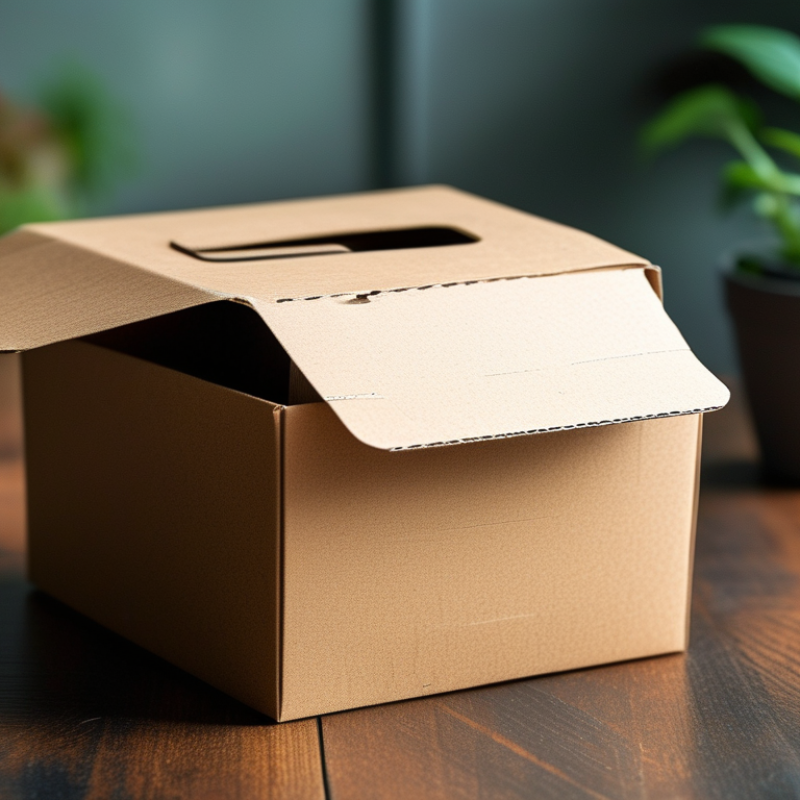
The Role of Paper Boxes in Sustainable Packaging Solutions
Paper boxes are becoming crucial in sustainable packaging solutions. Data from the Sustainable Packaging Coalition indicates that 60% of consumers prefer packaging that reflects eco-friendly practices. This shift is significant, as it shows a growing awareness of environmental impacts. Paper boxes are made from renewable resources and are more biodegradable than plastic counterparts. This appeals to environmentally conscious consumers.
However, the transition is not without challenges. While paper boxes are often recyclable, improper disposal can lead to contamination issues. According to a report by the Fiber Box Association, only about 39% of paper products are recycled effectively. Improving recycling processes is essential for maximizing the benefits of paper packaging. Additionally, the production of paper boxes can be water-intensive, raising questions about resource management.
Despite these concerns, the benefits of paper packaging can't be ignored. Companies that adopt paper boxes can enhance their brand image. Furthermore, data shows that brands using sustainable packaging see a 10% increase in sales. Thus, the role of paper boxes in sustainable packaging solutions is undeniable, yet there remains room for improvement in recycling and resource efficiency.
Why Paper Boxes Are Essential for Your Packaging Needs? - The Role of Paper Boxes in Sustainable Packaging Solutions
| Feature | Benefits | Sustainability Aspect |
| Durability | Protects products during shipping | Made from renewable resources |
| Customization | Can be designed for branding purposes | Eco-friendly printing options available |
| Lightweight | Reduces shipping costs | Lower carbon footprint during transport |
| Recyclability | Can be recycled after use | Supports circular economy |
| Biodegradability | Breaks down naturally in the environment | Reduces landfill waste |
Benefits of Using Paper Boxes for Product Protection and Presentation
Paper boxes play a vital role in product protection and presentation. Their sturdy construction ensures that items remain safe during transportation. Unlike plastic, paper is biodegradable and more environmentally friendly. This quality resonates with consumers who prioritize sustainability.
When choosing paper boxes, consider their size and strength. Not all products fit in the same type of box. Ensure your box can handle the weight of your items. Additionally, think about the design; unique graphics can enhance brand appeal. Simple touches, such as using textured paper or a natural finish, can elevate your packaging.
Tip: Always test your packaging. Fill a few boxes with your products and simulate shipping. This can highlight any weaknesses in your packaging design.
Consider the closure method as well. Secure boxes prevent items from falling out. Simple flaps or adhesive seals can make a difference. Reflect on the entire unboxing experience for your customers; this is a crucial moment that can influence their perception of your brand.
Cost-Effectiveness of Paper Boxes Compared to Other Packaging Options
When considering packaging options, cost-effectiveness plays a crucial role. Paper boxes emerge as a budget-friendly choice for many businesses. According to a 2022 industry report, paper packaging has reduced costs by up to 40% compared to plastic alternatives. This significant difference can make a real impact on a brand's bottom line.
Moreover, paper boxes are not only economical but also versatile. They can be customized easily, adapting to various shapes and sizes. This flexibility can lead to savings in inventory costs. Reports indicate that businesses experience a 30% reduction in storage expenses when using standardized paper box sizes. Yet, many companies overlook these benefits, focusing only on initial purchase prices.
Sustainability is another factor to analyze. The paper packaging industry emphasizes recyclable materials. A recent study reveals that over 70% of consumers prefer products packaged in eco-friendly materials. This demand can enhance brand reputation, but some companies struggle to adopt sustainable practices effectively. Embracing paper boxes is a step toward innovation but may require overcoming logistical challenges.
Cost-Effectiveness of Paper Boxes vs. Other Packaging Options
This chart illustrates the cost per unit of various packaging options. As shown, paper boxes are the most cost-effective choice compared to plastic, metal, and glass containers, making them essential for budget-conscious businesses.
Customizability and Branding Opportunities with Paper Boxes
Customizable paper boxes offer brands a unique opportunity to express their identity. According to a recent study by Smithers Pira, around 70% of consumers are influenced by packaging when making purchase decisions. This emphasizes the importance of making a strong impression through packaging. Paper boxes can be tailored in terms of size, color, and design to reflect a brand's values and messaging.
Implementing effective branding strategies involves understanding your consumer base. Color psychology plays a vital role. For instance, red can evoke excitement, while blue brings trust. Make sure to test different designs with focus groups. This insight allows you to refine your branding efforts.
Tip: Use eco-friendly materials in your paper box design to attract environmentally conscious consumers. Sustainable practices are appealing, as data from Nielsen indicates that 66% of consumers are willing to pay more for sustainable brands. Emphasizing sustainability can enhance brand loyalty and differentiate your product on the shelf. Consider how your choices reflect your brand’s mission.
Environmental Impact and Recycling Potential of Paper Packaging Materials
Paper packaging materials play a crucial role in reducing environmental impact. Unlike plastic, paper is biodegradable and recyclable. This quality makes it a more sustainable choice for packaging. Many businesses are now recognizing the importance of switching to paper. They strive to minimize their carbon footprint.
Recycling paper packaging can significantly lessen waste. It can be reused to create new products, conserving resources in the process. However, not all paper products are created equal. Coatings and adhesives can hinder recyclability. Consumers should be aware of the type of paper packaging they choose.
The shift toward paper packaging is not without challenges. Some argue that the production process can be resource-intensive. Ensuring sustainable sourcing of paper is essential. Companies must evaluate their practices to mitigate negative impacts. The conversation around paper packaging is evolving. It's crucial to keep exploring innovative solutions that prioritize sustainability.
