What is Food Grade Packaging and Why is it Important?
Food-Grade Packaging is essential for ensuring consumer safety. It refers to materials safe for direct food contact. The global food packaging market reached USD 350 billion in 2022, with increasing demand for safe and sustainable options. In the U.S., proper food packaging can reduce food waste by 30%. This highlights its role in preserving food quality.
Improper packaging can lead to contamination. Chemicals from non-food-safe materials can leach into food. The FDA mandates rigorous testing for food-grade materials. However, not all manufacturers comply fully. A 2021 study showed that 15% of packaged foods still used questionable materials. This raises concerns about consumer health.
Choosing the right Food-Grade Packaging is more than just compliance. It's about consumer trust and brand reputation. Companies must prioritize transparency. As awareness grows, consumers demand safer options. Therefore, businesses should reflect on their packaging choices and their impact on public health.
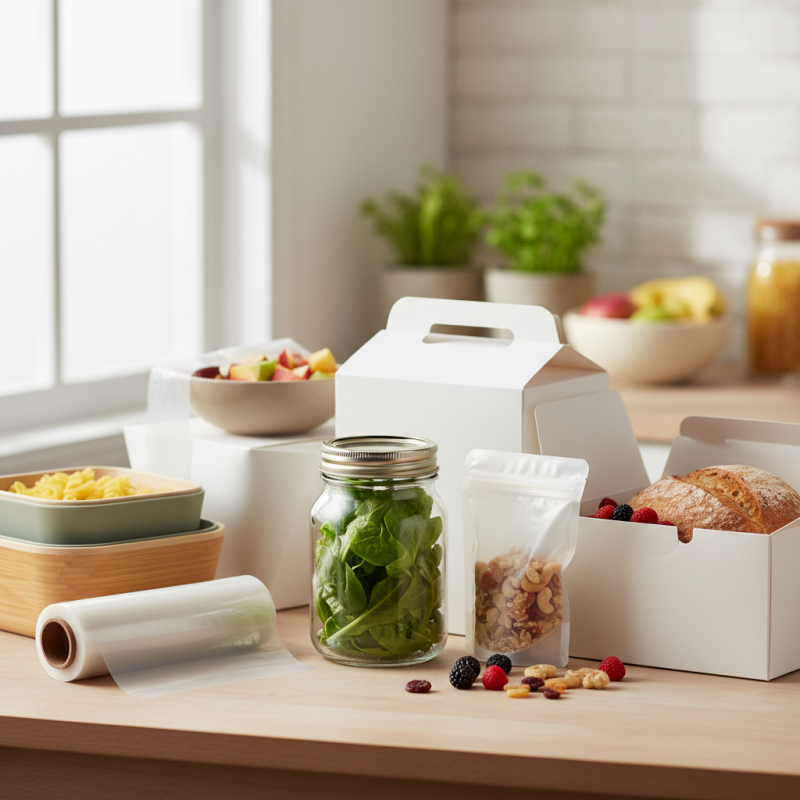
Understanding Food Grade Packaging: Definition and Standards
Food grade packaging refers to materials safe for direct contact with food. These materials undergo rigorous testing to ensure they do not release harmful substances. Standards vary by region, but they typically include regulations on chemical leaching and microbial contamination. This ensures food safety and quality, which are crucial for consumers' health.
Understanding the standards for food grade packaging is essential. For instance, different materials have unique properties that affect preservation. Some materials protect against moisture, while others are designed to block light. Selecting the right type affects food's shelf life and freshness.
Tip: Always check for certification labels when buying food items. This signifies adherence to safety standards.
There is still more to learn. Not all packaging is perfect. Some products may use deceptive terms like "eco-friendly." It’s vital to research beyond the label. Awareness can lead to better choices.
Tip: Opt for packaging that clearly states its material composition. Clear information can help avoid potential health hazards.
Types of Food Grade Packaging Materials and Their Applications
Food grade packaging plays a crucial role in preserving the safety and quality of food products. Various materials are used in food grade packaging, each serving distinct purposes. Common types include plastic, glass, paper, and metal. Each material has its strengths and weaknesses.
Plastic is lightweight and flexible, ideal for a variety of food items. It can be molded into different shapes, making it versatile. However, certain types of plastic may leach chemicals when heated, raising concerns. Glass is non-reactive and can maintain freshness effectively. Yet, its weight makes it less convenient for transport.
Paper packaging is biodegradable and recyclable, appealing to eco-conscious consumers. However, it may not provide the same level of moisture barrier as plastic. Metal containers, like cans, offer excellent protection against light and air but can be heavy. Balancing these factors is vital in choosing the right material for specific food applications. Each option has advantages and limitations that need careful consideration.
The Role of Food Grade Packaging in Food Safety and Quality
Food grade packaging plays a crucial role in ensuring food safety and maintaining quality. This type of packaging is made from materials that are safe for food contact. They are designed to prevent contamination, spoilage, and exposure to harmful substances. The right packaging can extend the shelf life of products. It can also preserve flavor, texture, and nutritional value.
Choosing food grade packaging materials requires careful consideration. Not all packaging is appropriate for all foods. Different products have different needs. For example, moisture-sensitive foods need airtight seals. This protects them from spoilage. However, some materials may leach chemicals into the food. It is essential to verify material safety.
Tips for selecting food grade packaging: always look for certifications that guarantee safety. Check for the packaging’s compatibility with the stored food. Consider the environmental impact of your choice too. Sustainable options are vital for the planet. Remember, it’s important to stay informed about advances in packaging technology. The landscape is always changing. What worked yesterday may not be the best choice today.
Regulatory Compliance: Guidelines for Food Grade Packaging
Food grade packaging is essential for keeping food safe. It’s not just about looking good. Packaging must meet specific regulatory guidelines. These guidelines ensure that materials do not contaminate food. They must be non-toxic and suitable for contact with food items.
Regulatory compliance involves several aspects. Different regions have their own standards. In the U.S., for example, the FDA oversees packaging materials. They require that substances used in food packaging are generally recognized as safe. Companies need to document their compliance. Testing and certification are vital. However, not all manufacturers follow these procedures thoroughly. This inconsistency raises concerns about safety.
The materials used in packaging play a critical role. Plastics, papers, and metals all have different properties. Each must be tested for safety and quality. Consumers should be aware of these issues. It’s important to choose products from manufacturers who prioritize compliance. When there’s a lack of clarity, it can lead to safety risks. Investing time in understanding packaging standards can help ensure that food remains safe to eat.
Sustainability Considerations in Food Grade Packaging Solutions
Sustainability plays a crucial role in food grade packaging solutions. Consumers are increasingly aware of environmental impacts. They seek products that minimize waste. Many packaging materials contribute to pollution, creating a pressing need for change. Innovations in biodegradable materials show promise. Yet, the shift is not universal.
Companies often face challenges when transitioning to sustainable options. Higher costs can deter investment. Additionally, not all eco-friendly packages maintain food safety. Some designs can create barriers to quality or freshness. Consumers might find this frustrating. Transparent communication about these issues is essential.
There’s also a gap in understanding what truly qualifies as sustainable. Some brands label their packaging as eco-friendly without true accountability. This practice can lead to confusion among consumers. Education about sustainable practices in food packaging is vital. Better choices can stem from informed decisions. The journey towards sustainable food grade packaging continues, but the commitment is necessary for lasting change.
