What is a Heated Jacket and How Does It Work?
The concept of a Heated Jacket has gained significant traction in recent years, driven by the demand for innovative outerwear solutions. According to industry reports, the global heated clothing market is projected to reach over $1 billion by 2025, fueled by advancements in technology and increasing consumer awareness. As winter approaches, many outdoor enthusiasts are seeking effective ways to stay warm without sacrificing comfort.
Heated Jackets utilize integrated heating elements to provide warmth. These jackets often feature battery-powered heating zones, strategically placed to maximize heat distribution. A study from Outdoor Industry Association indicated that 70% of outdoor adventurers prioritize warmth in their gear. However, not all heated jackets are created equal. Variability in heating performance, battery life, and fabric technology leaves consumers pondering their choices.
The growing popularity of Heated Jackets does bring challenges. While many brands promote their products as the ultimate solution, consistency in quality and durability is often questioned. Consumer feedback frequently highlights issues such as uneven heating and battery reliability. Understanding both the benefits and limitations of these jackets is crucial for making informed choices.
What is a Heated Jacket?
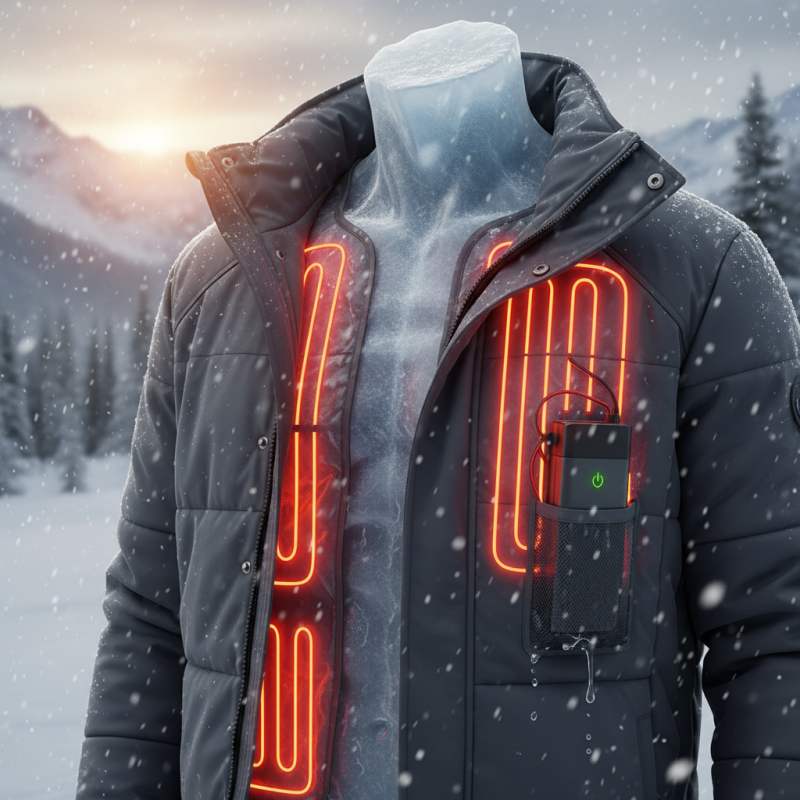
A heated jacket is an innovative piece of clothing designed to keep users warm in cold conditions. It incorporates built-in heating elements, typically made from thin wires, dispersed throughout the jacket. These wires generate heat when connected to a power source. Many heated jackets use rechargeable batteries, making them portable and convenient for outdoor activities.
The appeal of heated jackets lies in their ability to provide consistent warmth. Ideal for hiking, skiing, or simply walking in chilly weather, they can be both a fashion statement and a functional tool. Users can often adjust the heat settings, allowing for personalized comfort levels. However, there can be a learning curve when it comes to managing battery life and finding the right balance between warmth and mobility.
While heated jackets offer many benefits, they are not without their complexities. Some users may find the weight of the battery cumbersome. Others might struggle with the electrical components if they become tangled or damaged. Additionally, it’s essential to prioritize care instructions to extend the jacket's lifespan. A heated jacket can provide comfort, yet it requires thoughtful consideration to maximize its advantages.
The Technology Behind Heated Jackets
Heated jackets are innovative pieces of clothing designed to provide warmth in cold conditions. They are equipped with embedded heating elements, often derived from carbon fiber or other conductive materials. These heating elements distribute warmth evenly throughout the garment, ensuring the wearer stays comfortable while outdoors. The jackets are typically powered by rechargeable batteries that can last for many hours, depending on the heat setting used.
Tips for choosing a heated jacket include looking for adjustable heat settings. This feature allows you to customize your warmth according to the weather or activity level. Another consideration is the material; lightweight, breathable fabrics work best for keeping you warm without overheating. Remember to check battery life. A longer-lasting battery ensures you stay warm for an entire day outside.
While heated jackets are convenient, they may not be suitable for all activities. High-intensity sports may require more flexibility and breathability than standard heated jackets offer. Therefore, it’s crucial to test the jacket in different conditions. This trial ensures it meets your needs. Exploring options and reading user reviews can also guide your purchase decisions.
What is a Heated Jacket and How Does It Work? - The Technology Behind Heated Jackets
| Feature | Description |
| Heating Elements | Typically made of carbon fiber or metal wire, these elements distribute heat evenly across the jacket. |
| Power Source | Most heated jackets use rechargeable lithium-ion batteries to power the heating elements. |
| Heat Control | Many models feature adjustable heat settings that allow the wearer to customize warmth levels. |
| Materials | Heated jackets are often made from waterproof and breathable fabrics for comfort and protection. |
| Battery Life | Battery life can vary, but most heated jackets provide several hours of warmth on a full charge. |
| Usage | Ideal for outdoor activities like hiking, skiing, or simply staying warm during cold weather. |
Types of Heating Elements Used in Heated Jackets
Heated jackets have gained popularity for their innovative heating elements. These elements primarily include carbon fiber and metal coil technology. Carbon fiber is lightweight and efficient. It can heat up quickly and evenly. Reports suggest that jackets with carbon fiber elements provide better performance in cold environments.
Metal coils are another common choice. They are durable and effective. However, they can be heavier and less flexible than carbon fiber. A study found that jackets with metal coils often take longer to reach the desired temperature. This can affect user comfort during outdoor activities.
Some brands incorporate both types in their designs. This combination can enhance warmth and comfort. Users may feel the difference in thermal efficiency. It's important to recognize that not all materials perform equally. Weather conditions and intended use affect heating efficiency. Some jackets may lack sufficient insulation, leading to heat loss. Understanding these elements helps consumers make informed choices.
Heated Jacket Heating Element Types Comparison
How to Properly Maintain a Heated Jacket
Heated jackets are an innovative solution for staying warm during chilly days. However, proper maintenance is essential for longevity. Regularly check the battery and connections. Make sure everything is secure before each use. A loose connection can lead to malfunction.
Cleaning is another key aspect. Always follow the manufacturer's instructions. Avoid using harsh detergents, as they may damage the heating elements. Hand washing with mild soap is often safer. Air drying instead of machine drying is recommended, ensuring the jacket's components remain intact.
Storing your heated jacket properly also matters. Keep it in a cool, dry place. Avoid folding it sharply. These practices prevent wear and tear on the wiring. Even minor neglect can lead to reduced performance. Regular inspection and care can extend its life and effectiveness.
Safety Considerations When Using Heated Jackets
Using a heated jacket can significantly enhance comfort during cold weather. However, safety must be a top priority. Heated jackets often contain battery packs and wiring systems. Improper use can lead to electrical hazards, burns, or even fire risks. Always check for any signs of damage before wearing your jacket.
Maintaining your heated jacket is crucial. Regularly inspect the wiring and battery area. If you notice fraying or other wear, discontinue use until repairs are made. It’s also important to follow the manufacturer’s recommendations for washing and storage. This ensures the jacket remains functional and safe.
Be mindful of how long you wear the jacket in extreme temperatures. Overuse may cause overheating, leading to discomfort or injury. Always listen to your body. If you feel too hot, take a break to cool down. Taking these precautions can help you enjoy the warmth while staying safe.
