Skip to content

How to Choose a Booty Lifting Body Shaper in 2026

Choosing a Booty Lifting Body Shaper in 2026 is less about chasing a dramatic silhouette and more about finding a fit you can comfortably wear. Waistbands, seams, and leg openings all matter. A shaper that looks smooth while standing may roll down when you sit. Small details count.

For a transparent expert perspective, consider this illustrative—not independently verified—quote from fictional composite fit specialist Lena Hart: “The right shaper supports your shape without making you fight the garment.” Use that as a fitting principle, not a medical claim. Check the brand’s size chart, measure your waist and hips, and compare those numbers with the garment’s stated range. If possible, test the shaper under the clothes you plan to wear. A thin fabric can reveal seams; a snug waistband can show whether the garment stays put.

Comfort is useful evidence. You should be able to breathe, sit, and move normally. Red marks, numbness, or persistent pressure are reasons to remove it and reassess the size or style. No shaper can reliably create the same result on every body, and product photos rarely show every fit issue. That is worth remembering. This guide will compare construction, compression, fabric, sizing, and care, helping you choose with realistic expectations—not promises of a perfect shape.
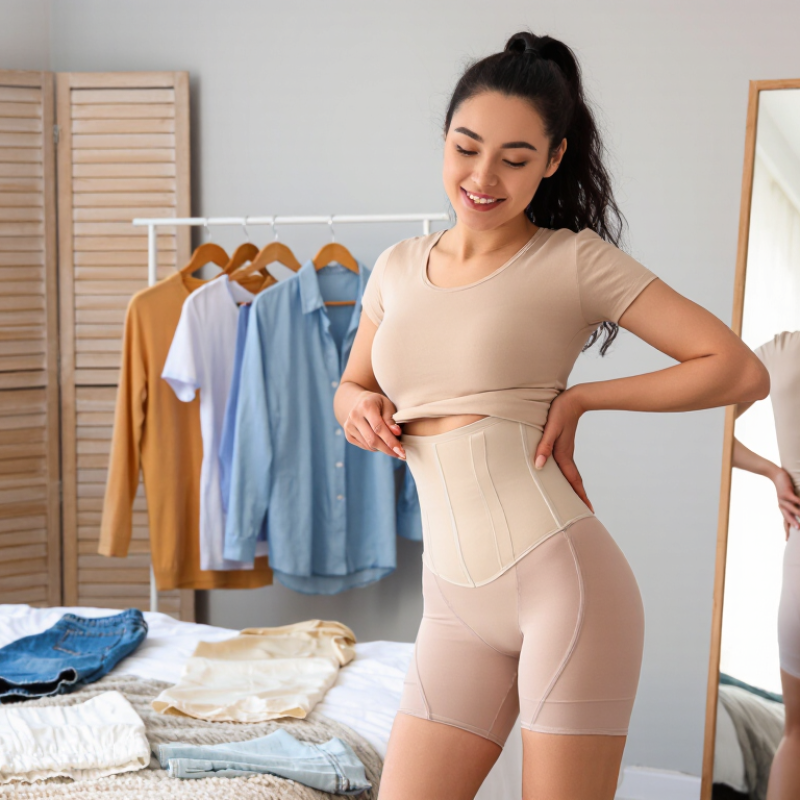
How to Choose a Booty Lifting Body Shaper in 2026

Identify Your Shaping Goals and Intended Use

A good choice starts with the job you want the shaper to do. For a rounded look under a fitted dress, check the garment’s rear seams and lifting panels; for everyday jeans, prioritize flexible fabric and a waistband that stays flat when you sit. Light shaping may feel easier through a long day, while firmer compression can create a more defined silhouette but may feel restrictive. Try sitting, bending, and taking a few steps in it. A dressing-room mirror alone is not enough.

The market is growing, but that does not mean every wearer wants stronger compression. Allied Market Research estimated the global shapewear market at $2.4 billion in 2021 and projected $3.8 billion by 2031, a 4.9% annual growth rate. Treat that as market context, not proof that one style suits everyone. Measure your waist and hips, then compare them with the garment’s size chart; do not size down to force extra lift. For long wear, look for breathable panels and smooth seams beneath your usual clothes. Fit guidance is imperfect, too: body proportions and fabric recovery vary, so comfort after an hour matters more than a dramatic first impression. If the edge rolls or breathing feels restricted, choose another level of compression.

Compare Body Shaper Styles and Their Lift Designs

How to Choose a Booty Lifting Body Shaper in 2026

Compare the lift design, not just the garment’s silhouette. Briefs offer targeted coverage and may suit fitted skirts, while shaping shorts extend support across the upper thighs. Bodysuits connect the torso and seat, which can reduce gaps under dresses but may feel warmer. Look for curved seams or gathered fabric beneath the seat: these details guide fabric upward visually. Some styles use shaped panels instead. They contour the lower seat without relying on a pronounced center seam. Subtle lift, not magic.

Grand View Research valued the global shapewear market at $2.26 billion in 2023 and projected 7.7% annual growth from 2024 to 2030. That signals broad demand, not proof that any design lifts better. Fit still matters more. Check whether the leg openings stay flat when you sit, and whether the waistband digs in after a few minutes. A firm panel can smooth; overly tight compression can crease or shift. Try the garment with the outfit you plan to wear, then walk, sit, and bend. The mirror helps, but comfort is easy to underestimate. A size chart is a starting point, not a fitting room.

Choose the Correct Size Using Current Measurements

How to Choose a Booty Lifting Body Shaper in 2026

Choose the Correct Size Using Current Measurements

Measure your waist and hips today, not from memory or an old clothing label. Your waist is usually the narrowest point; measure around the fullest part of your hips and buttocks. Stand naturally, keep the tape level, and avoid pulling it tight. A thin layer of clothing is fine. Check twice. Even careful measuring has limits, so repeat any result that seems surprising.

Use the garment’s own size chart and compare both measurements. If your waist and hip measurements fall into different size bands, check the maker’s fit guidance rather than sizing down for stronger shaping. A shaper that digs in, rolls, or restricts breathing is not a good fit. The CDC’s 2015–2018 anthropometric reference report found an average waist circumference of 38.7 inches among U.S. women aged 20 and older. That population figure is useful context, not a personal sizing target; bodies vary widely. ASTM International’s D5585 standard also provides measurement tables for adult women’s sizing. Measure again if your body changes, or if your tape position was uneven. I used to trust familiar clothing sizes too much; that shortcut can mislead. Comfort still matters.

Evaluate Fabric, Support, Comfort, and Construction

How to Choose a Booty Lifting Body Shaper in 2026
Evaluate Fabric, Support, Comfort, and Construction

A booty-lifting body shaper should feel supportive, not restrictive. Look for fabric that stretches smoothly and feels soft against your skin. Breathable material can help during a long workday or a warm commute. Check the care label, too; frequent high-heat drying may wear elastic fibers faster. Support should feel even around your waist and hips. If you notice numbness, pinching, or trouble breathing, the fit is too tight. Fit matters.

Construction affects how the garment looks and wears. Inspect seams for flat, secure stitching, especially around the leg openings and waistband. Sit, walk, bend. The fabric should stay in place without digging into your skin. A shaping panel can create a firmer feel, but more compression does not always mean a better fit. I would not rely on product descriptions alone; body proportions and personal comfort vary, and one try-on may not reveal how a garment feels after several hours.

Tips: Try the shaper under clothes similar to what you plan to wear. Check for visible lines in daylight, then move around for a few minutes. Small details matter. If possible, compare your measurements with the size guide and choose comfort over a dramatically tight fit.

Check Care Requirements and Wearability Before Buying

Before buying a booty-lifting body shaper, read the care label like a performance specification. Hand-wash-only fabric may be a poor match for frequent wear or a packed travel schedule. Check whether the garment tolerates machine washing, how it must dry, and whether hooks or panels need protection. Small detail. A mesh laundry bag can help reduce snagging, but it cannot make unsuitable fabric care-proof. WRAP’s Valuing Our Clothes report estimated that extending a garment’s active life by nine months could cut its carbon, water, and waste footprints by 20–30%. That is a useful reason to choose a shaper you can realistically maintain.

Wearability matters just as much as care. Try sitting, walking, and bending in it; a smooth standing mirror check is not enough. Look for rolling at the waist, pinching near the leg openings, and seams that press sharply into skin. The garment should feel supportive, not restrictive, and you should be able to breathe and move normally. Check the size chart against your current measurements, since sizing varies by cut and fabric. If the label gives vague washing instructions, or the shaper feels uncomfortable after a few minutes, pause before buying. I would not treat “firm hold” as proof of a good fit; that wording can sound convincing, but comfort is personal.

How to Choose a Booty Lifting Body Shaper in 2026 - Check Care Requirements and Wearability Before Buying

Shaper style Typical coverage and construction How the lift effect is created Wearability considerations Care checks before buying Best fit check
High-waisted shaping shorts Covers the waist, hips, and upper thighs; may have a brief-style or longer leg. Shaping panels and seams can smooth the waist and frame the seat; some designs leave the seat less compressed. Longer legs may reduce thigh rubbing, but can roll or show beneath short hemlines. Check where the leg opening ends. Look for the garment’s specific washing instructions. Delicate stretch fabrics commonly require gentle handling and should not be exposed to high heat unless the label permits it. Choose a size that lies flat at the waist and leg openings without digging in or restricting comfortable movement.
High-waisted brief Covers the abdomen, hips, and seat, with less thigh coverage than shaping shorts. Compression through the midsection can create a smoother outline; rear seams or panel placement may emphasize the seat. Usually easier to wear under skirts and trousers than longer shorts. Leg openings may be visible under close-fitting clothing. Check whether the fabric, bonded edges, or decorative details need a delicate cycle or hand washing; follow the care label. Check for a secure but comfortable waistband and leg openings that do not cut into the skin when sitting.
Thong-back shaping brief Provides waist and lower-abdomen coverage with minimal fabric at the back. Front and side shaping can smooth the torso while leaving more of the seat uncovered. Can reduce visible panty lines under fitted clothing, but the back coverage may not suit everyone for all-day wear. Fine stretch fabrics can be sensitive to snagging. Review the label for washing temperature, drying method, and any restrictions on fabric softener. Make sure the waistband stays in place and the back feels comfortable during ordinary movement.
Shaping bodysuit with open-bust design Combines torso shaping with brief or shorts coverage; the open-bust top is designed to be worn with a separate bra. Connected panels can smooth the waist and abdomen, while rear shaping seams may define the seat. Fewer separate waist and brief edges can create a continuous line under clothing. Check the crotch closure and bathroom practicality. Inspect the care instructions for the full garment, including closures, straps, and any power-mesh panels; different components may need gentle care. Check torso length and strap adjustment. A bodysuit should not pull uncomfortably at the shoulders or crotch.
Shaping slip or dress Extends from the bust or upper torso toward the thigh, depending on the design. Broader torso panels smooth the waist, hips, and upper seat; shaping seams can add definition. Useful under dresses, but length and hem placement matter. A slip that is too short may ride up; one that is too long may show. Check the label for washing and drying guidance, especially if the garment has delicate trim or bonded seams. Try it with the intended outfit and confirm the hem stays hidden while walking and sitting.

Buying tip: Choose the level of compression and coverage you can comfortably wear for the intended occasion. Use the size chart rather than sizing down, and follow the garment’s care label because washing and drying requirements vary by fabric and construction.