
How to Choose a Waist Trainer Factory in 2026?
Choosing a Waist Trainer Factory in 2026 takes more than comparing prices or browsing polished product photos. A dependable partner should explain its materials, sizing process, production capacity, and quality checks in clear terms. Ask for written specifications and a realistic timeline. Vague answers are worth noticing.
Samples reveal details that catalogs often miss. Check stitching near the seams, the feel of the fabric, closure alignment, and whether the garment keeps its shape after repeated wear. Request samples in several sizes, then compare them with your product requirements. Fit is easy to underestimate. A waistband that rolls during movement, or a seam that pulls when sitting, can point to design or construction issues. One sample is not enough to judge consistency.
A factory’s experience matters, but ask for evidence rather than relying on broad claims. Review its quality-control records, request relevant customer references, and clarify how defects or delays are handled. If performance claims are important to your product, consider appropriate independent testing. Keep communication in writing, including approved samples, material choices, and inspection criteria. These steps cannot remove every risk. They can make problems easier to spot before a larger order begins. Even an organized supplier may misunderstand a brief; clear questions and careful follow-up still matter. The best choice is not always the largest factory or the lowest quote, but the one whose capabilities match your needs and whose answers remain consistent.
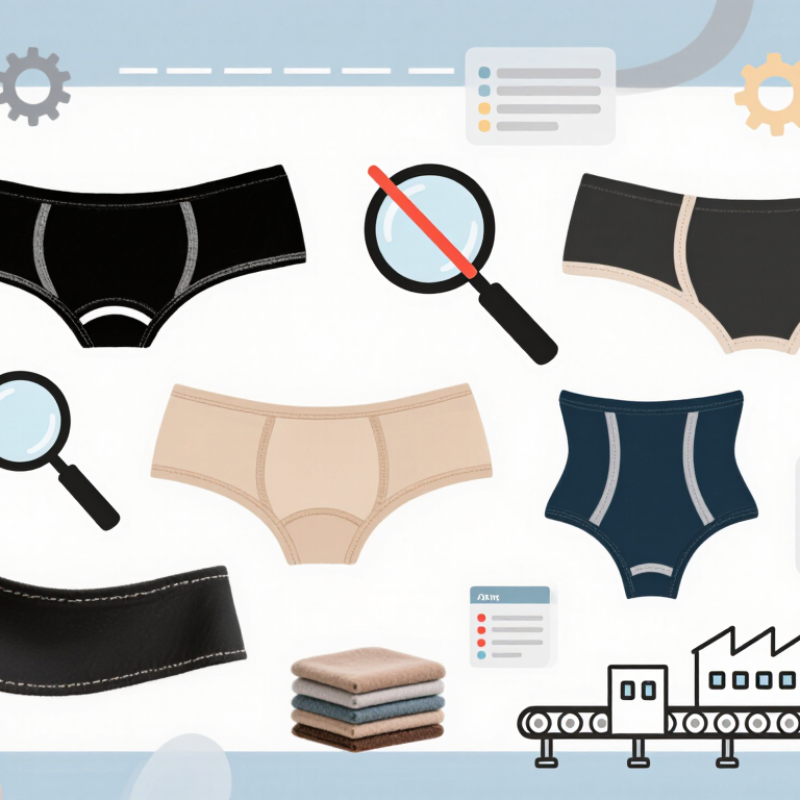
Define Your Waist Trainer Product and Manufacturing Requirements
Define the wearer and intended use: daily layering, brief workouts, or occasional styling. Set the target compression, garment length, waist and hip size range, and closure position. Describe the fabric composition, stretch recovery, lining, boning type, and panel layout. A “firm feel” is not a measurable specification. Ask the factory to document fabric weight, seam construction, and agreed inspection criteria. Approve a physical sample before confirming bulk production.
NRF’s 2024 Retail Returns Landscape report estimated that 16.9% of U.S. retail sales would be returned. That figure covers retail broadly, not waist trainers, but it makes sizing clarity worth testing. Check grading across the full size range, not just one sample size. Wear-test samples while seated and standing. A spec sheet can still miss how a seam feels after four hours. Small details matter.
Tips: Send a measurement chart, reference photos, and a written tolerance range. Ask for sample revisions, material test records, minimum order quantities, lead times, and defect-handling terms. Record what changed between samples. Factories may interpret vague requests differently, and that is easy to overlook.
How to Choose a Waist Trainer Factory in 2026? - Define Your Waist Trainer Product and Manufacturing Requirements
| Requirement | Define Before Contacting Factories | Practical Specification to Discuss | What to Verify |
|---|---|---|---|
| Product type | Choose the intended garment construction and coverage. | For example: pull-on compression garment, hook-and-eye waist cincher, or longline trainer. | Ask for samples of the same construction, not just similar-looking products. |
| Intended use and fit | State whether the product is for everyday wear, fashion styling, or another clearly defined use. | Specify desired coverage, flexibility, garment layering, and fit preferences. Avoid unsupported medical or body-shaping claims. | Review fit on representative wearers and explain wear and care instructions clearly. |
| Size range and grading | Set the size range and measurement chart for the target market. | Provide waist and relevant body measurements for every size; define measurement points and tolerances. | Request a graded size set and check measurements against the approved specification. |
| Fabric and lining | Choose fiber content, fabric weight, stretch direction, hand feel, and lining requirements. | Ask for the exact material composition and a fabric swatch; confirm whether stretch and recovery suit the design. | Check color, opacity, recovery, seam compatibility, and care performance on samples. |
| Compression and adjustability | Describe the desired support and whether the fit should be adjustable. | Define closure positions, stretch behavior, and any approved fit or comfort criteria; avoid relying on vague terms such as “maximum compression.” | Wear-test the sample for comfort, movement, closure security, and pressure points. |
| Closure and hardware | Select a closure type and specify hardware finish and placement. | Options may include hook-and-eye rows, a zipper, or a pull-on design; state the number of adjustment positions if applicable. | Check operation, attachment strength, skin contact, and finish consistency. |
| Boning and structure | Decide whether the design needs flexible support stays and how they should be enclosed. | Specify stay material, placement, channel construction, and finished garment length where relevant. | Inspect for exposed ends, twisting, channel damage, and discomfort during movement. |
| Seams and workmanship | Identify seam types, reinforcement points, edge finishes, and acceptable visual standards. | Provide a tech pack or annotated sample showing seam locations, stitch details, and critical measurements. | Agree on a pre-production sample and written inspection criteria before bulk production. |
| Color and design details | List launch colors, trims, logo placement, and any decorative details. | Define color references, artwork files, application method, and acceptable placement tolerances. | Approve color and branding on a production-representative sample. |
| Labels and compliance | Identify sales destinations and required language, fiber, care, origin, and other applicable labeling details. | Prepare label artwork and confirm applicable requirements for each destination market before production. | Have qualified compliance support review claims and labels; requirements vary by market. |
| Testing and quality control | Set product-specific checks for fabric, dimensions, closures, seams, appearance, and packaging. | Agree on inspection stages, sampling approach, defect definitions, and any required test reports. | Confirm test methods, sample identification, report dates, and who pays for testing. |
| Order quantity and cost | Estimate quantity by color and size, plus an acceptable target cost. | Request a written quote with quantity breaks, sample charges, tooling or setup costs, packaging, and payment terms. | Confirm minimums per style, color, and size assortment; compare like-for-like quotes. |
| Sampling and production schedule | Set target dates for development, sample approval, production, and shipment. | Ask the factory to provide a stage-by-stage schedule and identify dependencies, such as material approval. | Confirm whether quoted lead times begin after deposit, material confirmation, or final sample approval. |
| Packaging and shipment | Define individual packaging, carton requirements, shipping destination, and preferred shipping terms. | Specify packaging materials, barcode or sticker needs, carton dimensions, and shipment documentation. | Request carton details and clarify responsibility for freight, insurance, and export documents. |
Use these specifications as a discussion checklist. Final material choices, tolerances, testing, labeling, costs, and lead times should be confirmed in writing with the selected manufacturer for the specific product and destination market.