How to Choose Cotton Yarn Dyed Check Fabric
Choosing Cotton Yarn Dyed Check Fabric is not just a matter of liking the colors. The check is created with colored yarns before weaving, so its appearance depends on yarn quality, weave structure, and color arrangement. Look closely at a swatch in daylight. Check whether the lines stay even, the colors look balanced, and the fabric feels comfortable against the skin. Small irregularities may be normal in some constructions, but obvious snags or uneven checks deserve attention. A pleasing pattern can still be the wrong choice.
Start with the fabric’s intended use. A lightweight cotton may suit shirts or summer dresses, while a firmer weave can work better for table linens or structured garments. Compare the stated weight, width, and care instructions, then ask the supplier about shrinkage and colorfastness. If possible, wash a small sample as the finished item would be washed. Measure it before and after. Check the surface, too. Does it soften, twist, or lose color? These details matter more than a product photo.
Consider how the checks will meet at seams, pockets, and hems. Matching a pattern can require extra fabric and careful cutting. That affects both cost and results. Request a physical swatch before placing a large order, especially when color accuracy matters. Lighting can mislead. So can a screen. No fabric is perfect for every project, and specifications may not tell the whole story. A little testing can prevent a disappointing choice.
Understanding Cotton Yarn-Dyed Check Fabric
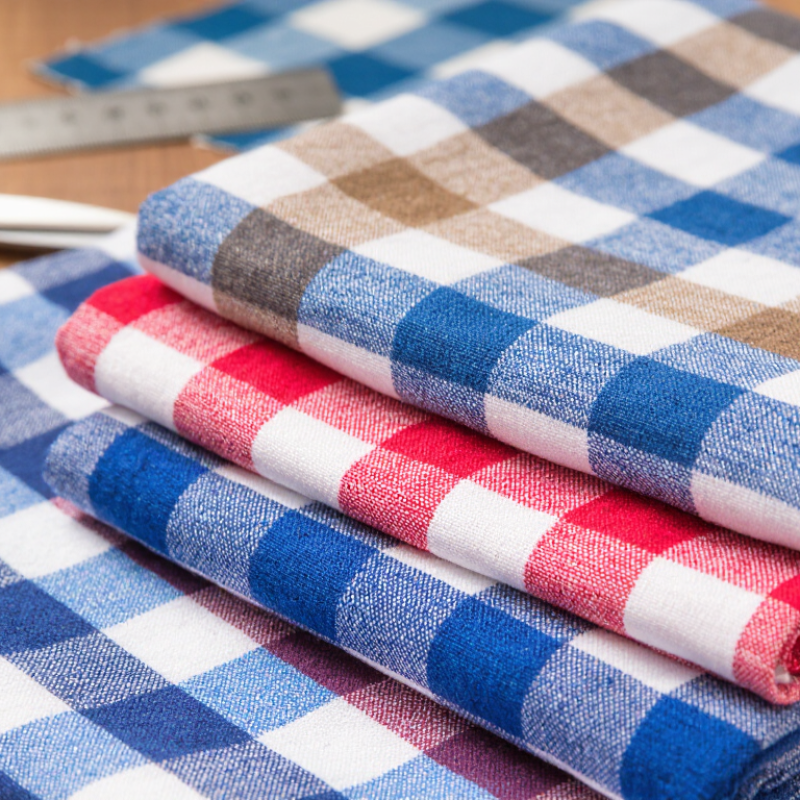
Cotton yarn-dyed check fabric gets its color before weaving. Individual cotton yarns are dyed, then arranged to form the check pattern. This differs from printing a design onto finished cloth. The pattern is built into the fabric, so it can remain visible on both sides, though appearance varies by construction.
Look closely at the intersections. Are the colored lines aligned, and do the checks repeat evenly? Small variations can occur, especially in textured or loosely woven cloth. That is not always a flaw, but it may matter for matching seams. Check the weave, too. A plain weave often feels crisp, while a twill can drape more softly. Neither is automatically better.
Cotton is breathable and comfortable against skin, but it may shrink or crease. Ask whether the fabric has been pre-shrunk, and test a sample using the care method you plan to follow. A wash can alter its feel. Check the fabric’s weight and opacity in daylight; a pale check may look different over a dark lining. I would not judge it from a small online image alone. The scale of the checks can feel surprisingly large once spread across a shirt or curtain.
Identifying Its Fiber Content, Weave, and Check Pattern
How to Choose Cotton Yarn Dyed Check Fabric
Identifying Its Fiber Content, Weave, and Check Pattern
Start with the fiber label. “Yarn-dyed” describes when color enters the process, not the fabric’s fiber percentage. A checked cloth may contain cotton blended with other fibers. Textile Exchange’s Materials Market Report 2024 estimates global fiber production reached 124 million tonnes in 2023, with cotton accounting for about 19%. That scale makes clear why a cotton label alone cannot identify a specific fabric. Check the stated composition, and request a test report when exact fiber content matters. AATCC TM20A describes quantitative fiber analysis; laboratory testing is more reliable than judging softness by touch.
Next, inspect the weave under bright light. In plain weave, yarns cross alternately over and under; twill often shows diagonal ribs. Look at both sides. If the check is woven from dyed yarns, colored yarns should form the pattern through the cloth, rather than appearing only as a surface print. Check alignment at seams or cut edges, too. Small irregularities can reveal the construction, but they are not proof of quality.
Finally, assess the check repeat. Measure one full repeat and compare it across the width and length. A balanced windowpane or gingham-style grid should stay consistent, though slight variation can occur in production. This inspection is useful, but imperfect. Ask for a close-up, composition details, and a sample before ordering. A photo can hide a lot.
How to Choose Cotton Yarn-Dyed Check Fabric
Typical moisture regain by fiber at standard textile conditioning (about 20°C and 65% relative humidity). Values are approximate and can vary with processing and test conditions.
Moisture regain can help compare fibers, but it cannot confirm fiber content on its own. Check the care label or use a suitable fiber test. Then inspect the fabric’s weave and check: plain weaves show a simple over-under structure, while twills have diagonal ribs; a yarn-dyed check should show its color pattern in the yarns and align consistently across the cloth.
Assessing Weight, Texture, Colorfastness, and Finish
How to Choose Cotton Yarn Dyed Check Fabric
Assessing Weight, Texture, Colorfastness, and Finish
Start with weight, usually listed in grams per square metre (GSM), but match it to the garment’s use. A lighter check may suit a shirt; a heavier weave can hold shape in a jacket or skirt. Compare swatches by draping them over your hand and checking how they fall. Numbers help, but they do not tell the whole story. Yarn thickness and weave density also affect the fabric’s body. Feel the surface for softness, raised yarns, or rough spots, then inspect both sides under steady light. Look for checks that meet consistently at seams, especially around the center front.
Yarn-dyed checks are woven with colored yarns, yet color can still rub or bleed. Ask for test results, or wash a small sample according to the care instructions and check the water and a white cloth. Test a damp sample too, if the fabric may face frequent moisture. A single swatch can mislead. Inspect the finish for loose threads, uneven pressing, or a coating that feels stiff; these details may change after laundering. Shrinkage and puckering are easy to underestimate, so compare measurements before and after washing. I would not choose by color alone: a lovely palette is less useful if the fabric twists or feels uncomfortable against the skin.
Matching Fabric Characteristics to Your Intended Use
Choosing cotton yarn-dyed check fabric starts with the job it must do. Because the checks are formed from colored yarns, the pattern usually shows on both sides. This can suit shirts, dresses, table linens, or lightweight curtains. Check the fabric’s weight and drape against the item: a crisp, heavier cloth may hold a shirt collar, while a softer weave moves more easily in a skirt. Feel the difference.
Look closely at the check scale and color contrast. Small checks can feel quiet on a child’s shirt, while broad blocks may dominate a cushion. Match the repeat to pattern pieces, too. A large check needs extra fabric for aligning seams, and that detail is easy to underestimate. For frequently washed garments or napkins, ask about colorfastness and follow the care instructions. A small wash test can reveal shrinkage or color transfer before you cut.
For curtains or table covers, consider opacity, width, and how the fabric hangs in daylight. Hold a swatch against a window; the result can differ from a shop photograph. Test before cutting. I would not choose by appearance alone: cotton can crease, and two similar-looking checks may behave differently because their weave and finish vary. Request a measured swatch, then wash and press it as you plan to care for the finished item.
How to Choose Cotton Yarn Dyed Check Fabric - Matching Fabric Characteristics to Your Intended Use
| Intended Use | Practical Fabric Weight | Weave and Yarn Considerations | Check Scale and Appearance | Useful Characteristics | Before You Buy |
|---|---|---|---|---|---|
| Lightweight shirts and blouses | About 90–130 g/m² | A plain weave with fine, closely balanced yarns can give a smooth, breathable fabric. | Small or medium checks usually suit a neat shirt appearance. | Lightweight drape, comfortable airflow, and enough body for everyday tops. | Check opacity against the intended color and lighting; very light fabrics may need a lining or camisole. |
| Dresses and skirts | About 110–170 g/m² | A balanced plain weave is versatile; a softer finish can improve drape. | Choose check size to suit the pattern pieces; large checks need extra attention when matching seams. | Moderate body and movement, suitable for gathered or lightly structured styles. | Allow extra yardage for matching checks at seams and center fronts. |
| Casual shirts and overshirts | About 140–220 g/m² | A denser plain weave or a twill weave can provide more substance than lightweight shirting. | Medium or large checks are common choices for casual styling. | More coverage and structure while retaining the familiar feel of cotton. | Review the fabric hand and thickness in person or request a swatch; weight alone does not determine softness. |
| Quilting and patchwork | About 110–170 g/m² | A stable, tightly woven plain weave is generally easy to cut and piece. | Small checks work well in smaller pieces; larger checks can create strong visual blocks. | Consistent weave and compatible fabric weights help make seams easier to handle. | Prewash fabrics if the finished quilt will be washed, and test for color transfer and shrinkage first. |
| Table linens and kitchen textiles | About 150–250 g/m² | A firm plain weave is a practical option for napkins and tablecloths; heavier cloth adds substance. | Checks can make stains and everyday creasing less visually prominent, but do not prevent them. | Choose a fabric that feels durable and has care instructions suited to frequent laundering. | Confirm colorfastness and laundering guidance; cotton may shrink, especially during the first wash. |
| Cushion covers and light home décor | About 180–300 g/m² | A compact weave can provide more body for covers; heavier upholstery needs a fabric specifically suited to that use. | Large checks can become a focal point; align the repeat across visible panels where possible. | A firmer hand helps a cover keep its shape, though yarn-dyed cotton checks vary in durability. | For frequently used furniture, request abrasion and colorfastness test information rather than relying on weight alone. |
| Children’s garments and everyday basics | About 110–180 g/m² | A soft, breathable weave with a smooth surface is often comfortable for regular wear. | Small to medium checks are easy to coordinate with simple garment shapes. | Comfort, easy care, and a fabric weight appropriate to the season are key considerations. | Wash a sample according to the care label and check softness, shrinkage, and color bleeding before sewing. |
Selection note: The weight ranges are practical guidelines, not fixed industry standards. Actual drape, opacity, durability, shrinkage, and colorfastness depend on yarn, weave, finishing, and processing. Since yarn-dyed checks are created by weaving pre-dyed yarns, inspect a sample and ask for relevant test results when performance requirements matter.
Comparing Quality, Care Requirements, and Sourcing Options
Cotton yarn-dyed check fabric gets its pattern from colored yarns woven together, so inspect both sides for consistent color and alignment. Look closely at intersections: uneven squares, loose ends, or shifting lines can signal weak construction. Small checks matter. The 2024 Textile Exchange Materials Market Report estimates global fiber production reached 124 million tonnes in 2023, with cotton accounting for roughly one-fifth. That scale offers choice, but fiber origin alone cannot confirm fabric quality. Ask for composition, fabric weight, shrinkage results, and colorfastness records.
Care depends on the fiber blend, dyeing, and finishing. Follow the supplier’s care label, and test a sample before ordering a production quantity. AATCC TM61 provides an accelerated laundering test for colorfastness; request results for the actual colorway, especially for dark checks against white. Wash a swatch as intended, then compare its dimensions and colors under daylight. I still find shrinkage easy to underestimate. A neat sample can change after washing. Avoid assuming every yarn-dyed check tolerates hot water or tumble drying.
Sourcing options include mill-direct custom weaving, stock fabrics from converters, and limited surplus lots. Custom orders allow control over check scale, yarn, and finishing, but often require higher minimums and longer lead times. Stock fabric is faster to assess and purchase in smaller quantities. Surplus can be economical, though repeat availability may be uncertain. Request a dated specification sheet, sample yardage, and test documentation; confirm whether the quoted lot matches the sample. A small mismatch can be noticeable across a whole garment.