Skip to content

How to Choose the Best Lash Lift Kit for Your Business?

Choosing a Lash Lift Kit is not just a matter of comparing prices or attractive packaging. For a salon, the kit must support consistent results, clear timing instructions, and careful work around the eyes. Small details matter: a readable instruction card, well-fitting shields, and products that stay workable during application. A low purchase price can look appealing, but it tells you little about reliability or the support available when something goes wrong.

The wider beauty-services market offers useful context, though it does not measure lash lift kits specifically. Grand View Research estimated the global beauty salon market at USD 155.6 billion in 2022 and projected growth through 2030. That figure signals a large, competitive service sector—not guaranteed demand for any one treatment. Use it as background, then assess your own clients, booking patterns, and service costs. A regional salon may need different products from a high-volume studio.

When comparing kits, examine ingredient disclosures, storage guidance, supplier documentation, and training resources. Check whether the system suits your team’s experience and appointment schedule. Test the full workflow before making a bulk purchase. This guide also needs a verified, attributable quotation from a named lash-industry expert; without a reliable source, inventing one would undermine trust. That is worth admitting. Practical judgment matters more than polished claims.
How to Choose the Best Lash Lift Kit for Your Business?

Identify Your Business Needs and Clientele

How to Choose the Best Lash Lift Kit for Your Business?

Identify Your Business Needs and Clientele

Your ideal lash lift kit should match your daily service menu, not just its appearance. Consider your appointment volume, treatment time, storage space, and staff experience. A small studio may need compact packaging and simple instructions. A busy salon may require consistent processing times and larger quantities.

Know your numbers. Record how many clients request lifts each week. Note their lash length, thickness, curl preferences, and sensitivity concerns during consultations. Clients with short, straight lashes may need different processing guidance from clients with fine, fragile lashes. Always review the ingredient list and follow the manufacturer’s safety directions. Patch testing and clear client records support a more reliable service.

Client comfort matters. In my salon experience, rushed consultations created more problems than imperfect technique. One client wanted a dramatic curl, but her lashes were too delicate for that result. We adjusted the plan and chose a softer finish. I still think I should have explained the limits earlier. That mistake changed my consultation process.

Choose a kit that supports training, repeatable results, and careful aftercare advice. Check whether the instructions are clear enough for every team member to follow. Ask practical questions: Can products be stored safely? Are tools easy to sanitize? Is the timing realistic for your schedule? Avoid selecting a kit only because it promises speed. Reliable results usually come from suitable products, measured timing, and patient application.

Compare Kit Components, Formulas, and Results

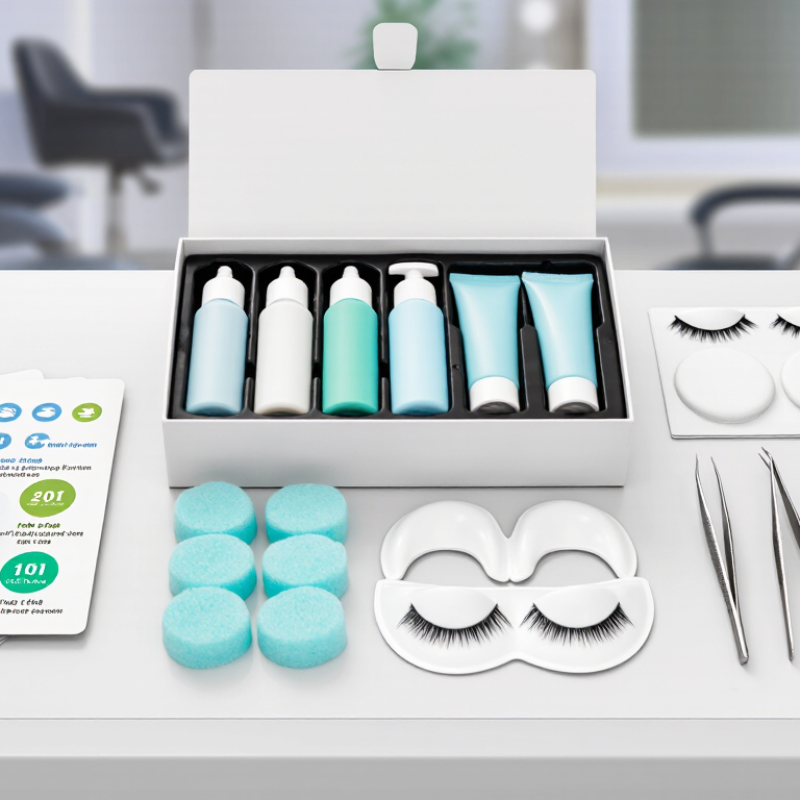
A lash lift kit should be judged as a complete system, not by its number of bottles. Check for clearly labeled lifting and setting solutions, suitable silicone shields, precise applicators, and products for cleansing and aftercare. Shield sizes matter: a large shield may create a softer curl, while a smaller one can produce more lift. The fit should match the client’s lash length and eye shape.

Read the formula instructions closely. Processing times should be specific, and the steps should be easy to follow without guessing. Some formulas may suit coarse lashes better, while finer lashes can respond quickly. Patch testing and a careful consultation help identify sensitivities and previous treatments. Keep records of timing and results. Small details matter.

Compare results across different lash types, not just one dramatic before-and-after photo. Look for an even lift from root to tip, with lashes that remain flexible rather than dry or overly curled. A kit that includes clear guidance and consistent tools can make results easier to reproduce. But the kit cannot replace sound training. I’ve seen attractive packaging distract from unclear instructions; it is an easy mistake to make. Choose a kit with transparent usage guidance, reliable component quality, and results you can assess over time.

Verify Safety Standards and Regulatory Compliance

How to Choose the Best Lash Lift Kit for Your Business?

Verify Safety Standards and Regulatory Compliance

A lash lift kit is used close to the eyes, so safety paperwork matters as much as the product itself. Check that the supplier provides a complete ingredient list, clear directions, and current safety documentation. Confirm that the kit’s labeling and claims meet the requirements in your location. Rules can differ by region, and a product sold online may not meet local requirements. If documents are missing or difficult to understand, ask the supplier before ordering. Do not guess.

Review the instructions for timing, storage, and use with different lash types. Look for sealed containers, readable batch numbers, and expiry dates you can track. Ask whether the kit is intended for trained professionals, and make sure staff understand the precautions for eye-area services. Keep records of product batches and any client reactions. Paperwork helps, but it cannot replace careful technique. I have seen checklists look complete while staff still rush a service.

Tips: Request safety documents before purchase. Check local requirements with the relevant regulator or qualified adviser. Store products as directed, and never use expired solutions. Explain the service and possible irritation to clients beforehand. Patch testing may be recommended, but follow the kit’s specific instructions and your local professional guidance. A small detail can matter.

Assess Ease of Use, Training, and Supplier Support

How to Choose the Best Lash Lift Kit for Your Business?

Assess Ease of Use, Training, and Supplier Support

A lash lift kit should fit the way your team actually works. Look for clear instructions, labeled products, and a consistent step-by-step process. During a trial, note whether the shields stay in place and whether the solution timing is easy to track. Small details matter when appointments are back-to-back. Still, no kit makes every service effortless.

Training is just as important as the products. Check whether the supplier offers practical demonstrations, guidance on patch testing, and help with selecting shield sizes for different lash lengths. New technicians may need supervised practice before working with clients. Ask how training materials are updated, too. An old video can miss useful details.

Supplier support becomes visible when something goes wrong. Test how quickly the team answers questions about storage, product shelf life, or an unexpected result. Keep written guidance available at your treatment station, and record batch details when opening a kit. Support may sound reassuring on a sales call, but response time is what counts. Evaluate it before committing.

How to Choose the Best Lash Lift Kit for Your Business? - Assess Ease of Use, Training, and Supplier Support

Evaluation area What to check Evidence to request or review Why it matters to a business Strong fit indicators
Ease of use Whether the steps, product labels, and processing instructions are clear and consistent. Written instructions; clearly labeled solutions; a step-by-step workflow; guidance on use and removal. A clear process can help staff follow the service protocol consistently and reduce avoidable mistakes. Instructions are easy to follow, product stages are distinguishable, and the kit includes the tools needed for its stated workflow.
Training Whether training covers practical application, client consultation, contraindications, and aftercare. Course outline; trainer credentials; demonstration or practice options; assessment requirements; access to updated learning materials. Staff need appropriate preparation to perform the service safely and explain its limitations and aftercare to clients. Training explains the full service process and includes opportunities to ask questions and check understanding.
Supplier support How the supplier handles product questions, training queries, and order issues. Published contact channels; stated response hours; written product guidance; replacement or returns terms. Accessible support can help a business resolve operational questions and plan for replenishment. Support arrangements and policies are clear, accessible, and provided before purchase.
Product information Whether ingredient, use, storage, and safety information is available and legible. Ingredient lists; directions for use; warnings; storage guidance; batch or expiry information where applicable. Complete product information helps professionals review suitability, handle products correctly, and meet applicable local requirements. Information is supplied with the products and is easy to locate before and after purchase.
Kit contents Whether the contents match the services the business plans to offer. Itemized contents list; sizes and quantities; compatible tools; details of any separately purchased items. Knowing what is included helps estimate the real setup cost and identify items that may need separate sourcing. The contents list is specific, and the business can confirm that essential workflow items are covered.
Stock and replenishment Whether key consumables can be reordered and whether typical lead times are stated. Reorder information; product availability details; shipping estimates; shelf-life and storage guidance. Reliable replenishment planning can help reduce interruptions to scheduled services. Reordering steps are clear, and the business can plan purchases around its usage and product shelf life.
Business suitability Whether the kit suits the team’s experience, service volume, and local operating requirements. Staff experience review; expected service frequency; training prerequisites; local rules for professional use. A kit that fits the team and operating context is more practical than selecting on price alone. The business has verified that staff preparation, product directions, and local requirements align before offering the service.

Practical comparison tip: Use the same checklist for each kit under consideration. Confirm current product directions, training terms, and applicable local requirements directly with the supplier before purchasing or providing services.

Calculate Costs and Test Kits Before Purchase

Before buying a lash lift kit, calculate the cost per service, not just the price on the box. Divide the kit price by the number of usable treatments, then add gloves, applicators, under-eye pads, cleanser, and expected waste. Include staff training time and any products that expire before you use them. A kit that looks cheaper may cost more per client. Check the instructions and storage requirements, too. Small details matter.

Test a kit before making it your standard. Use it only as directed, and follow the manufacturer’s guidance on suitability and sensitivity checks. Ask trained staff to record processing times, product use, and how consistently the lashes lift. Keep notes on comfort and the condition of the lashes after treatment. Be specific. A quick comment like “worked well” is hard to compare later. One trial is not enough to predict every result, and my first cost estimate may miss a few disposable items. Recheck it after several services, then compare the actual cost and results with your budget and service standards.

Article Source: