Skip to content

How to Choose the Best Patella Strap in 2026

A sharp tug beneath the kneecap can make stairs, a jog, or a long shift feel harder than expected. A Patella Strap may offer targeted pressure below the kneecap, but comfort and fit matter more than bold packaging claims. It is a support accessory, not a diagnosis or a guaranteed fix.

This 2026 guide explains how to compare strap designs, materials, adjustment systems, and sizing. You’ll learn what to check before buying: whether the strap stays in place, feels secure without pinching, and suits your usual activity. A narrow band may fit easily under clothing; a wider or padded design may feel different during movement. Small details count. So does fit.

No single model suits every knee. That sounds obvious, yet product pages can make choosing one seem simpler than it is. Pay attention to how the strap feels during a short, low-intensity test, and stop if it causes numbness, increased pain, or skin irritation. Persistent pain, swelling, or trouble bearing weight deserves professional assessment, not a tighter strap. This guide offers practical buying criteria and cautious context, so you can make a more informed choice without treating marketing promises as medical evidence. A strap may help some people feel supported. It may not help you. That uncertainty is worth keeping in view.
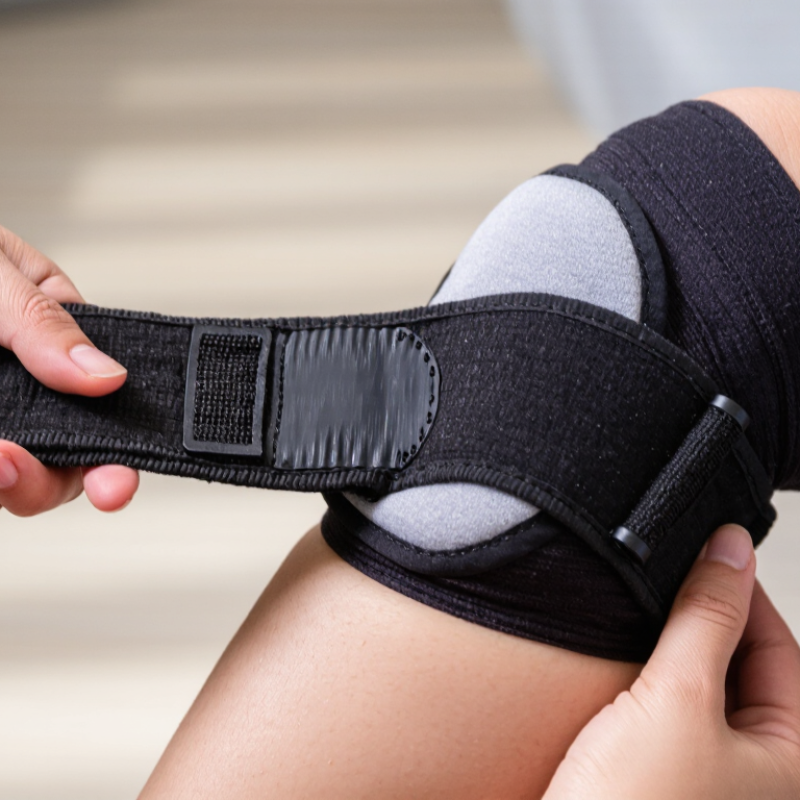
How to Choose the Best Patella Strap in 2026

Define the Need: Elite-Sport Studies Report Up to 45% Prevalence in Volleyball

Patellar tendon pain is common in elite volleyball, but the headline figure needs context. A five-year study by Lian, Engebretsen, and Bahr, published in the American Journal of Sports Medicine, reported jumper’s knee in 44.6% of elite volleyball players. That figure describes elite athletes, not every recreational player. Still, it is striking. Repeated approach jumps, hard landings, and packed tournament schedules can load the tendon heavily. Prevalence is not a diagnosis, though, and pain below the kneecap can have other causes.

When considering a patella strap, note when discomfort appears: during take-off, on landing, or later in practice. A strap may ease symptoms for some athletes, but it does not repair tendon tissue or replace training adjustments. Evidence for immediate comfort is mixed, so treat it as a trial, not a promise. Malliaras and colleagues’ 2015 clinical review in the Journal of Orthopaedic & Sports Physical Therapy emphasizes load management and progressive strengthening for patellar tendinopathy. Fit matters, too. The band should sit just below the kneecap and feel secure without causing numbness or skin irritation. If pain worsens, changes your landing, or persists, seek assessment from a qualified clinician. A statistic can flag a risk; it cannot choose the right strap for an individual knee.

Compare Strap Types: Infrapatellar Bands Versus Patellar-Stabilizing Knee Sleeves

Infrapatellar bands and patellar-stabilizing sleeves support different areas. A band sits just below the kneecap, applying focused pressure around the patellar tendon. It is usually slimmer and easier to wear under trousers. A sleeve covers more of the knee, adding warmth and broad compression; some designs include side supports or a ring around the kneecap. Fit matters. A band should feel snug, not dig into the tendon. A sleeve should not bunch behind the knee or cause tingling.

The distinction matters because knee pain has many causes. A 2018 British Journal of Sports Medicine systematic review estimated patellofemoral pain prevalence at 23% among adults and 29% among adolescents. Those figures describe a broad condition, not proof that either support works for everyone. The 2019 JOSPT clinical practice guideline centers exercise-based care; a strap or sleeve is not a substitute for assessment and rehabilitation. For pain directly below the kneecap, a band may feel less bulky. For a sense of kneecap movement or a preference for wider coverage, a stabilizing sleeve may feel more reassuring. Not a cure. I would treat comfort during movement as a practical clue, not a diagnosis; persistent swelling, locking, or worsening pain deserves clinical attention.

Check Fit and Pressure: Follow Size Charts and Avoid Slippage or Numbness

A patella strap should sit just below the kneecap, not directly across its center. Use a soft measuring tape and follow the size chart for the specific strap. Measure where the strap will rest, with your leg relaxed. Do not guess from your usual clothing size. Charts vary, and some straps use adjustable ranges rather than exact measurements.

Snug, not tight. Fasten the strap so it stays in place when you walk, climb a few steps, and gently bend your knee. If it slides down, readjust its position or tension before assuming you need a smaller size. Pressure should feel even, without pinching the skin or digging into the back of your leg. Numbness, tingling, a cool foot, or increasing discomfort means you should loosen or remove it. A red mark that fades quickly may happen, but lasting irritation is a reason to reassess the fit. Sizing advice is useful, not perfect; I would recheck the strap after a few minutes of movement, since a fit that feels fine while seated may shift once you stand. If symptoms persist or worsen, ask a qualified health professional whether the strap is appropriate for you.

Assess the Evidence: Treat Straps as Support, Not a Standalone Cure

When choosing a patella strap in 2026, treat it as one support tool, not a repair. Evidence is mixed and depends on the source of pain. Some people feel less discomfort on stairs or during a run; others notice little change. That difference matters. A strap may offer compression or a useful cue, but it cannot reliably address training overload or other contributing factors. Pain has more than one cause.

Choose an adjustable band that sits just below the kneecap and feels snug, not tight. You should be able to bend your knee comfortably. Remove it if you notice numbness, tingling, skin irritation, or increased pain. Try it during a familiar activity, such as a short walk, and compare how your knee feels during and afterward. Don’t use reduced pain as permission to sharply increase mileage or load. Pair the strap with a gradual return to activity and exercises suited to your condition. If pain persists, worsens, or follows an injury, seek assessment from a qualified clinician.

How to Choose the Best Patella Strap in 2026

Assess the evidence: treat straps as support, not a standalone cure.

What this means: Progressive hip and knee exercise is a core approach for patellofemoral pain. A patellar strap may be tried as an optional aid if it feels comfortable, but it should not replace rehabilitation or clinical assessment when symptoms persist.

The bars show qualitative treatment roles, not measured pain reduction or a clinical effect size. Guidance: 2019 JOSPT Clinical Practice Guideline for patellofemoral pain, Journal of Orthopaedic & Sports Physical Therapy, 49(9), CPG1–CPG95. Strap-specific evidence is limited.

Choose for Your Use: Compare Adjustability, Materials, Care, and Return Policies

How to Choose the Best Patella Strap in 2026

Choose for Your Use: Compare Adjustability, Materials, Care, and Return Policies

A patella strap should feel secure without pinching behind the knee. Check how its closure adjusts: a broad hook-and-loop panel can offer finer changes than a fixed-size sleeve. Try tightening it while seated, then stand and bend your knee. It should stay in place without restricting comfortable movement. Small detail, big difference.

Materials affect comfort during wear and cleaning. Neoprene often feels cushioned, but may trap more heat during a long walk. Lighter fabric can feel cooler, though its edges may roll or rub under clothing. Check the care label before buying; some straps need hand washing or air drying. Dry fully. A damp strap can become uncomfortable, and washing instructions are easy to overlook.

Return policies matter because fit is personal, even when measurements match the size chart. Look for a clear return window and confirm whether worn or opened items can be returned. Keep the packaging until you have tested the strap at home. Fit can still feel odd after a few minutes, so try it during a brief, low-effort activity first. If it slips, pinches, or worsens discomfort, stop using it and consider asking a qualified health professional for guidance.

How to Choose the Best Patella Strap in 2026 — Choose for Your Use: Compare Adjustability, Materials, Care, and Return Policies
Strap style May suit Adjustability to compare Common materials and feel Care considerations Return-policy checks
Basic single-strap band People who want a compact band with minimal bulk around the knee. Look for a hook-and-loop closure with enough overlap to fine-tune the fit. Check that the strap can be tightened without its edges digging into the skin. Often made with elastic fabric, neoprene, or a blend. Neoprene can feel warmer; elastic or mesh sections may feel lighter. Follow the care label. Many fabric supports are hand-washed with mild soap and air-dried; avoid assuming they are machine-washable. Confirm whether opened or worn supports can be returned, and whether return shipping or restocking fees apply.
Dual-strap design People who prefer separate adjustment above and below the kneecap area. Check whether both straps adjust independently and whether their closures stay secure during movement. Make sure the adjustment range matches the measured leg circumference. Commonly uses elastic webbing, hook-and-loop fasteners, and sometimes a padded contact area. Materials and padding vary by design. Fasten hook-and-loop tabs before washing if the care instructions allow washing; this can help prevent snagging other fabric. Check the seller’s hygiene rules for items tried on against bare skin, plus the deadline and condition required for a return.
Strap integrated into a knee sleeve People who want a sleeve-style fit along with an adjustable strap. Compare sleeve sizing and strap adjustment separately. A sleeve that is too tight or too loose may affect comfort even when the strap itself fits. May combine stretch-knit fabric, elastic, neoprene, or silicone elements. A sleeve generally covers more skin than a standalone band. Check whether the sleeve can be washed and whether any removable parts should be taken off first. Air-drying is commonly recommended for elastic supports. Ask whether the seller accepts returns after a sizing try-on; some policies restrict returns for worn or opened supports.
Lightweight or mesh-panel strap People prioritizing a less bulky feel or ventilation during everyday wear. Check the closure length and whether the band stays in place without excessive tightening. “One size” does not guarantee a suitable fit for every leg circumference. May use mesh or other breathable textile panels with elastic and hook-and-loop fasteners. Breathability and stretch depend on the specific construction. Mesh and elastic can be damaged by high heat; follow the product label and allow the support to dry fully before storage. Review the full policy before purchase, including return-window dates, packaging requirements, and any exclusions for hygiene-related products.
Strap with a shaped or cushioned contact area People who prefer a defined contact surface rather than a uniformly flat band. Look for a strap that can be positioned comfortably and adjusted without creating pressure points. Confirm that the contact area sits where the product instructions show. May include foam, silicone, or fabric-covered padding; the materials and firmness differ among designs. Check whether the pad is removable and whether the care label permits washing it separately. Do not use cleaners that the manufacturer advises against. Confirm whether detachable parts must be included for a return and whether the original packaging is required.

Before choosing: Measure your leg as directed by the sizing guide, check fit and skin comfort during a brief trial, and follow the product’s instructions. Return terms are set by the seller and can change, so verify the current policy before ordering. A strap is not a substitute for professional medical advice if knee pain is persistent, severe, or worsening.