Skip to content

Top 10 Ways to Spot a Fake Michael Kors Bag?

A convincing Fake Michael Kors Bag can be difficult to identify from one photograph or one detail. Counterfeit trade is a large, documented problem, but broad statistics cannot authenticate a specific handbag. The OECD and EUIPO’s 2021 report, Global Trade in Fakes: A Worrying Threat, estimated that counterfeit and pirated goods represented 2.5% of world trade in 2019, worth up to $464 billion. That figure covers many product categories. It is context, not proof about Michael Kors products.

This guide presents ten practical checks, including logo placement, stitching, materials, hardware, interior labels, and packaging. Compare the bag with the same model and production period whenever possible; designs and details can change. Check product identifiers where present, but do not treat any single label, receipt, or dust bag as conclusive. Details matter. A neat seam is reassuring, not proof. Seller history and clear, consistent product photographs also provide useful context. When doubts remain, seek an assessment from a qualified authentication professional or the brand’s official support channels. Even careful visual checks have limits, and online images can hide wear or inconsistencies. That caveat matters. The aim here is to help readers notice warning signs, ask better questions, and make a more informed decision—not to promise certainty from a checklist.
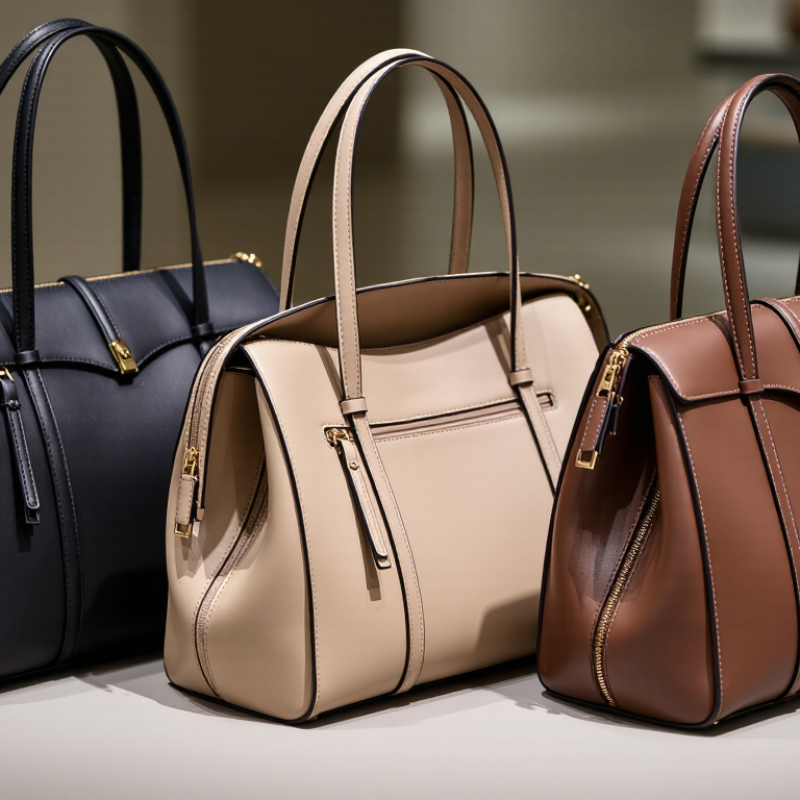
Top 10 Ways to Spot a Fake Michael Kors Bag?

Check the Seller, Receipt, and Bag Provenance

Start with the seller, not the stitching. Look closely. Check how long the account has existed, whether its contact details match, and if its other listings seem consistent. A seller with clear, specific answers is easier to assess than one who rushes you or avoids simple questions. Ask where the bag came from and when it was purchased. Vague answers are worth noting, though they do not prove anything on their own.

A receipt can help, but it is not proof by itself. Check the purchase date, item description, price, and store details for consistency. Compare those details with the bag and any packaging shown. Be cautious if the receipt is blurry, heavily cropped, or offered as the only evidence. Paper can look convincing. It can also be incomplete or unrelated.

Provenance is the bag’s ownership history. Ask whether it was bought new, received as a gift, or purchased secondhand, and request earlier photos or care records if available. Look for a believable timeline, not a perfect story. It can feel awkward to ask for evidence, and I sometimes hesitate; still, a careful seller should understand reasonable questions. Save the listing and messages, and compare details across sources. No single check settles it.

Inspect the Materials, Stitching, and Overall Construction

Feel the material before judging its appearance. It should have a consistent texture, with edges that feel finished rather than papery or overly soft. On coated surfaces, look for an even finish; strong chemical odors or peeling corners deserve closer attention. Check the lining, too. A loose weave, uneven color, or fabric that bunches around pockets can suggest rushed construction. Small details matter. Still, texture alone cannot confirm authenticity, especially after years of wear.

Examine the stitching along handles, seams, and pocket openings. Stitches should generally be straight, evenly spaced, and secured without long loose threads. Turn the bag gently to inspect how panels meet at corners. Gaps, lumpy seams, or handles attached at visibly different angles are useful warning signs. Compare both sides rather than relying on one imperfect detail. Even well-made bags can show minor irregularities, and repairs may change the original finish. Look at the bag as a whole: sturdy structure, neat edge finishing, and hardware that sits firmly should make sense together. If several construction details feel inconsistent, pause and seek a second opinion.

Examine the Michael Kors Logo and Metal Hardware

Inspect the logo in bright, even light, not under a phone flash that can hide uneven edges. Compare its letter shapes, spacing, and alignment with clear images of the same bag model and season. Look closely at the engraving or print. Authentic-looking marks usually appear consistent, with clean edges and balanced spacing; blurred lines, crowded letters, or a crooked placement deserve a second look. Tiny variations can happen, though. A logo alone cannot prove a bag is genuine.

Now examine the metal hardware, including zipper pulls, clasps, rings, and feet. The finish should look consistent across matching pieces, with no rough casting marks or flaking coating. Check that engraved lettering is crisp and centered, rather than shallow, crowded, or uneven. Move the zipper slowly. It should travel smoothly, without catching on nearby fabric. Notice the weight and feel, but do not treat heaviness as proof; design and materials can vary by model. This check is helpful, not perfect. Compare details with reliable product photos, and remember that lighting, wear, and repairs can change what you see. A mismatch is a reason to investigate further, not a verdict by itself.

Top 10 Ways to Spot a Fake Designer Bag: Examine the Logo and Metal Hardware
No. Inspection Area What to Check Possible Warning Signs Important Note
1 Logo lettering Compare the letter shapes, spacing, alignment, and proportions with clear images of the same model and production period. Uneven spacing, distorted letters, inconsistent alignment, or visibly different proportions. Logo designs can vary between collections, so compare like with like.
2 Logo placement Check the logo’s position and orientation against the bag’s seams, pockets, and centerline. A crooked, off-center, or unusually placed logo that does not match reliable references. Placement may differ across styles and sizes.
3 Logo finish Inspect whether printed, embossed, or attached lettering has clean edges and an even finish. Smudging, rough edges, inconsistent depth, peeling, or irregular spacing. Wear or age can affect a genuine item’s finish; assess the whole bag.
4 Metal color and coating Look for a consistent color and coating across comparable hardware pieces. Unexpectedly mismatched tones, patchy plating, or finish that appears poorly applied. Hardware color can vary by model, collection, and production year.
5 Hardware engraving Examine engraved text or symbols for sharpness, even depth, and consistent spacing. Blurry, shallow, uneven, misspelled, or poorly aligned engraving. Not every bag or hardware component is engraved.
6 Zippers and zipper pulls Check that the zipper moves smoothly and that the pull is securely attached and neatly finished. Sticking, rough movement, loose parts, sharp unfinished edges, or inconsistent construction. Zipper suppliers and designs can differ; a single detail is not conclusive.
7 Clasps and fasteners Open and close each fastener to assess its fit, movement, and alignment. Loose or misaligned components, poor closure, or rattling that suggests weak assembly. Damage from use can also affect how hardware functions.
8 Attachment points Inspect rings, rivets, and hardware connections for secure fitting and consistent workmanship. Gaps, wobbling, unevenly set rivets, or visible signs of weak attachment. Compare the construction with references for the same bag style.
9 Stitching around hardware Check that stitching near handles, tabs, and metal fittings is even and firmly secured. Loose threads, irregular stitch lengths, skipped stitches, or poorly reinforced stress points. Hand finishing and normal wear may cause minor variation.
10 Overall consistency Compare the logo, hardware, materials, construction, and product details with multiple reliable references. Several unrelated inconsistencies, especially when combined with unclear provenance. Individual clues are not definitive; consult a qualified authenticator for a high-value purchase.

Verify the Interior Labels, Tags, and Product Details

Inspect the interior label under bright, neutral light. Check whether stitching follows the label’s edges, the text sits evenly, and the fabric feels consistent with the bag’s lining. Compare the care label, product code, and stated materials with reliable references for the same model and production period. Details can change over time, so an older bag may not match a current product photo. Look closely. A misspelled word, fuzzy printing, or a code that points to a different item deserves attention, but no single clue proves a bag is fake.

Check that tags and product details agree across the bag, paperwork, and purchase record. Watch for mismatched colors, materials, or style descriptions. Packaging and tags can be copied, too. This check is imperfect. I can still give a tidy label too much credit; the details need to support one another. The OECD and EUIPO’s 2025 report estimates counterfeit goods made up 2.3% of global trade in 2021. That broad figure cannot authenticate an individual bag, but it shows why careful verification matters. When details conflict, pause and ask the manufacturer’s official support channel or a qualified authenticator to review clear photos.

Compare the Bag with Official Models and Packaging

Choose the exact model and compare it with clear images from the maker’s official product page. Similar bags can differ in size, pocket placement, strap attachments, and hardware finish. Check measurements against a ruler, then compare the bag’s shape and details in natural light. Small details matter. Look closely at stitching, lining, zipper pulls, and logo placement, but avoid judging by one feature alone. Lighting and screen colors can mislead.

Packaging can offer useful clues, but it is not proof of authenticity. Compare the dust bag, box, care cards, and tags with those shown or described by official sources for that specific model. Check print quality, spelling, label placement, and whether the included items make sense for the product and purchase period. Packaging may change by season or region, so an older bag may not match current photos. This comparison is not foolproof. If details remain unclear, contact the maker’s customer service with the model information and photos. I would not rely on a neat box or a single matching tag; both can create false confidence.