Why Choose Kojic Acid Dipalmitate for Cosmetics?
Kojic Acid Dipalmitate in Cosmetics has garnered significant attention due to its powerful skin-lightening properties. This compound, derived from fungi, is a stable derivative of kojic acid. According to market research, the global skin-lightening products market was valued at USD 4.8 billion in 2021. Its growth reflects a rising consumer demand for effective cosmetic solutions. Kojic Acid Dipalmitate is a key player in this field.
This ingredient is lauded for its ability to inhibit melanin production. Studies indicate a 30% increase in skin brightness after consistent use. Brands that incorporate Kojic Acid Dipalmitate showcase a commitment to innovative formulations. However, there are concerns about potential sensitivity, emphasizing the need for further research.
The integration of Kojic Acid Dipalmitate in cosmetics highlights the industry’s shift towards safer, effective skin treatments. While many consumers seek visible results, understanding the balance between efficacy and safety is crucial. The ongoing dialogue in the cosmetic community advocates for informed choices in product formulations.
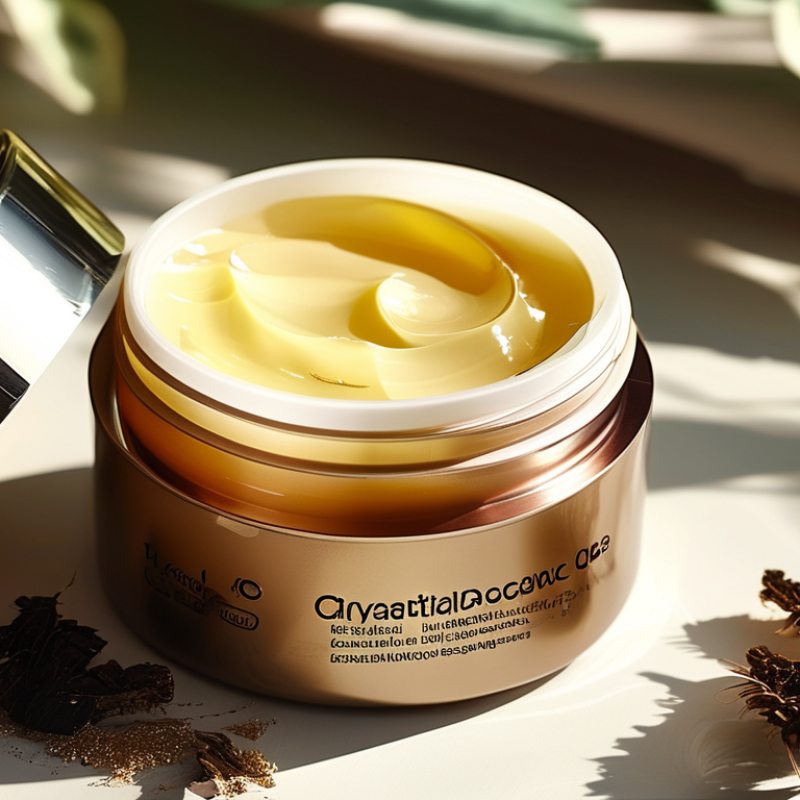
Understanding Kojic Acid Dipalmitate: A Brief Overview
Kojic acid dipalmitate is gaining traction in cosmetic formulations. This compound, derived from kojic acid, offers unique benefits for skincare. It serves as a potent skin brightener, helping to reduce hyperpigmentation and uneven skin tone. The dipalmitate form enhances stability and skin absorption, making it more effective.
Research indicates that kojic acid dipalmitate can also provide antioxidant properties. This means it fights free radicals that damage skin cells. Its use can lead to a brighter complexion and improved skin texture. The substance is generally considered safe for topical application. However, users should perform patch tests to avoid potential skin irritations.
While there are advantages, it's important to approach with caution. Some people may experience sensitivity. Therefore, gradual introduction is advisable. Proper formulation and concentration are crucial for efficacy and safety. The landscape of cosmetic ingredients is ever-evolving. This compounds’ role continues to be explored by scientists and dermatologists. The insight gained will guide its responsible use in skincare routines.
The Chemical Properties of Kojic Acid Dipalmitate
Kojic acid dipalmitate is gaining popularity in cosmetics for its unique chemical properties. This compound, derived from natural sources, is known for its skin-lightening abilities. It is an ester formed by the reaction of kojic acid and palmitic acid. This structure enhances the stability and effectiveness of the compound in skincare formulations.
One significant feature of kojic acid dipalmitate is its ability to inhibit melanin production. It works by blocking the enzyme tyrosinase, crucial for melanin synthesis. This property makes it particularly beneficial for treating hyperpigmentation. Additionally, its lipophilic nature allows for better penetration into the skin, leading to more effective results.
Tips for using kojic acid dipalmitate in cosmetics include patch testing. Always check for possible allergic reactions first. Start with lower concentrations to gauge skin tolerance. Incorporating this ingredient gradually can help achieve desired results without irritation. It is essential to combine it with sun protection. Sunscreen helps prevent new pigmentation while allowing kojic acid dipalmitate to work effectively.
Why Choose Kojic Acid Dipalmitate for Cosmetics? - The Chemical Properties of Kojic Acid Dipalmitate
| Property | Description |
| Chemical Formula | C28H50O4 |
| Molecular Weight | 450.67 g/mol |
| Solubility | Soluble in oils and organic solvents; insoluble in water |
| pH Stability | Stable between pH 4 to 7 |
| Melting Point | Approximately 40°C |
| Stability | Stable under UV light and heat |
| Skin Benefits | Effective skin brightening agent; reduces melanin production |
| Usage Concentration | Typically used at 1-3% in formulations |
Benefits of Kojic Acid Dipalmitate in Cosmetic Formulations
Kojic acid dipalmitate is gaining popularity in cosmetic formulations due to its effective skin benefits. This compound works as a powerful skin lightening agent, targeting hyperpigmentation and uneven skin tone. Users often notice a brighter complexion after consistent use. However, results can vary based on individual skin types.
Another significant advantage is its antioxidant properties. Kojic acid dipalmitate helps to protect the skin from damage caused by free radicals. This adds an extra layer of defense against environmental stressors. In formulations, it can be combined with other ingredients to enhance overall efficacy, but the right balance is crucial to avoid sensory overload.
While many embrace its benefits, some may experience irritation or sensitivity. It’s advisable to conduct patch tests before full application. Users should reflect on their unique skin characteristics. Effective formulation requires expertise and a deep understanding of ingredient interactions. Thus, the journey with kojic acid dipalmitate isn’t just about application; it's a learning experience for optimizing skin health.
Comparative Analysis: Kojic Acid vs. Kojic Acid Dipalmitate
Kojic acid and kojic acid dipalmitate are both derivatives that offer unique benefits for skincare. Kojic acid is well-known for its skin-brightening properties. It inhibits melanin production effectively, which helps to lighten hyperpigmentation. However, it can be unstable and may cause irritation for some users. Now, consider kojic acid dipalmitate. This variant is stabilized with palmitic acid, enhancing its effectiveness and reducing irritancy. This makes it an appealing choice for those with sensitive skin.
In practical terms, kojic acid dipalmitate has a longer shelf life. It can also penetrate the skin more effectively. This increased stability allows for consistent results over time. Users may notice improvements in skin tone and texture without the irritation that often accompanies traditional kojic acid. Yet, it's crucial to remember that not every product will suit every skin type. Patch testing is a wise step.
Professionals often lean towards kojic acid dipalmitate for formulating skincare products. Its dual action of brightening and moisturizing benefits many. Still, it is essential to remain aware of individual skin reactions. What works for one may not work for another. Always consult with dermatologists when trying new ingredients for optimal skin health.
Safety and Efficacy of Kojic Acid Dipalmitate in Skincare Products
Kojic Acid Dipalmitate has gained attention in skincare for its safety and efficacy. This compound is a stable derivative of kojic acid, often used to brighten skin and reduce dark spots. Its formulation is milder compared to traditional kojic acid, making it suitable for various skin types. Many users report noticeable results without severe irritation.
Studies show that Kojic Acid Dipalmitate effectively inhibits melanin production. This can lead to a more even skin tone over time. It also possesses antioxidant properties, which may protect skin from environmental damage. However, it is important to remember that individual reactions can vary. Some users experience sensitivity, even with milder formulations.
Incorporating Kojic Acid Dipalmitate into a skincare routine requires patience. Results may not appear overnight, and consistent use is vital. Regular patch testing is advised to monitor for adverse reactions. Overall, while the benefits can be significant, understanding your skin's unique needs is essential for achieving the best results.
Safety and Efficacy of Kojic Acid Dipalmitate in Skincare Products
