What Is a Mist Sprayer and What Is It Used For?
Mist Sprayers turn liquid into fine droplets that can be spread across a surface or through the air. A typical model uses a bottle or tank, a pump, a trigger, and a nozzle. Pressing the trigger draws liquid through the mechanism and releases it as a controlled spray. Droplet size and spray pattern vary by design. Small details matter.
These tools appear in home cleaning, plant care, hair care, and other everyday tasks. A gardener might use a hand sprayer to dampen leaves, while a cleaner may apply diluted solution to a countertop. Not every sprayer suits every liquid or job. Thick mixtures can clog some nozzles, and delicate plants may need a gentler spray. The term “mist sprayer” can also describe different products, so checking the manufacturer’s instructions is important.
Choosing one means considering capacity, nozzle adjustment, materials, and how often it will be used. For occasional household work, a simple trigger bottle may be enough. Larger areas can call for a pump-operated model, though it takes more effort to maintain. Rinse the tank and nozzle as directed, especially when changing liquids. A sprayer is useful, but it is not magic. Even a fine mist can leave uneven coverage if the nozzle is held too close or moved too quickly. This guide explains how mist sprayers work, what they are used for, and which features can help match a model to a practical task.
What a Mist Sprayer Is and How It Works
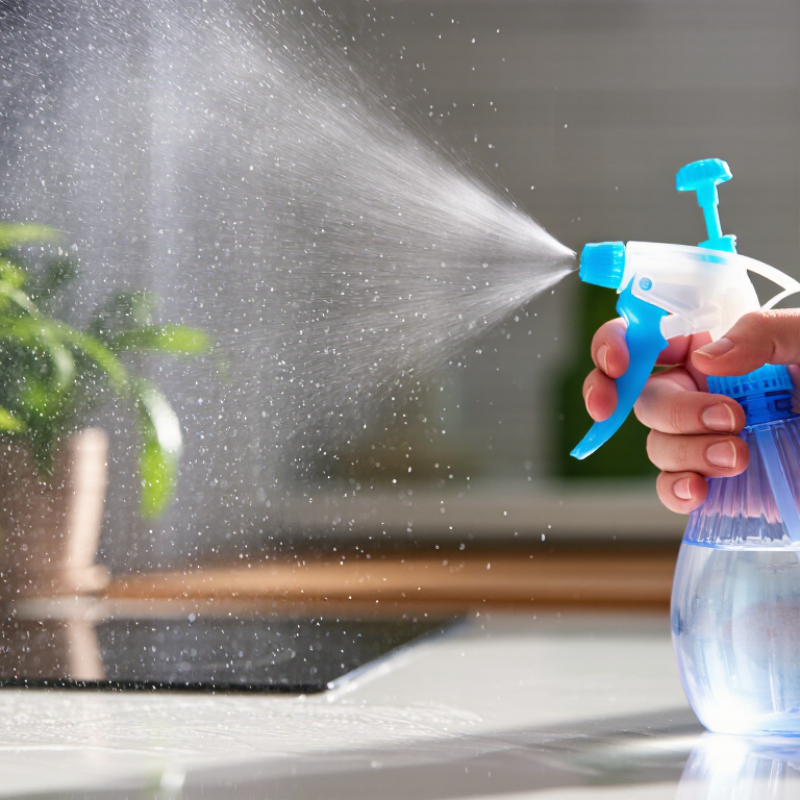
A mist sprayer is a handheld device that turns liquid into fine droplets. It usually has a bottle, a dip tube, a trigger, and a small nozzle. Press the trigger, and a piston draws liquid up through the tube. The mechanism then pushes it through a narrow opening. The liquid breaks into droplets and spreads outward as a light spray. Small parts, but a useful bit of engineering.
The spray pattern depends on the nozzle, the liquid, and how firmly you press. Some sprayers produce a soft, wide mist; others make a more focused stream. A mist sprayer can help apply water to plant leaves, dampen hair, or distribute suitable cleaning solutions over a surface. For an even coating, hold it a short distance away and move your hand steadily. Check the liquid’s instructions before filling the bottle, since thick or unsuitable liquids may clog the nozzle.
Not perfectly even. That matters.
A sprayer can leave larger droplets or miss areas, especially if its nozzle is dirty or partly blocked. Rinse it as directed, and test the pattern over a sink before use. Fine droplets may also drift in moving air, so avoid spraying near faces, food, or sensitive materials unless the product is intended for that use. The trigger may feel simple, but the results depend on the liquid and the sprayer’s condition.
Key Components of a Mist Sprayer
What Is a Mist Sprayer and What Is It Used For?
Key Components of a Mist Sprayer
A mist sprayer uses a hand-operated pump to break liquid into fine droplets. Its main parts work together each time you press the trigger or actuator. Small parts matter.
The bottle or reservoir holds the liquid, while a dip tube carries it toward the pump. The tube should reach near the bottom, so less liquid remains unused. Inside the pump, a piston and spring create pressure when you press and release the actuator. A small valve helps control the liquid’s movement. In many sprayers, repeated pumps are needed before the first spray appears.
At the top, the nozzle shapes the outgoing liquid into a mist. Turning an adjustable nozzle may change the spray from a narrow stream to a wider pattern, though designs vary. Seals around the pump help prevent leaks and maintain pressure. If a sprayer sputters, check for a loose nozzle, a blocked opening, or a dip tube that has shifted. These symptoms can have other causes, too. Rinse the nozzle and tube with clean water when the sprayer is compatible with rinsing; dried residue can affect the spray pattern. A little liquid may still cling to the bottle walls.
What Is a Mist Sprayer and What Is It Used For? - Key Components of a Mist Sprayer
| Component | What It Does | Typical Details | Why It Matters |
| Bottle or Reservoir | Holds the liquid that will be dispensed. | Often made from plastic or glass; capacity varies by application. | Provides a refillable supply and must be compatible with the liquid being stored. |
| Sprayer Head and Closure | Attaches the pump assembly to the bottle and helps limit leakage. | Commonly includes a threaded closure, with size and fit matched to the bottle neck. | A secure fit helps keep the package closed during handling and storage. |
| Actuator or Trigger | Moves when pressed to operate the pump. | May be a small push button or a finger-operated trigger. | Controls dispensing and determines how the user operates the sprayer. |
| Pump Piston and Cylinder | Create the pumping action that moves liquid through the sprayer. | Pressing the actuator moves the piston within the pump chamber. | Repeated strokes draw liquid up and deliver it toward the nozzle. |
| Return Spring | Returns the actuator and piston after they are pressed. | Typically a small metal spring inside the pump assembly. | Allows the pump to reset for the next press. |
| Dip Tube | Runs from the pump into the liquid in the bottle. | Usually a narrow plastic tube; its length is selected to reach toward the bottle bottom. | Provides a path for liquid to enter the pump as the sprayer is used. |
| Inlet and Outlet Valves | Help direct liquid through the pump in the intended direction. | Often use small check-valve elements, such as balls or flexible seals. | Help the pump draw liquid from the bottle and push it toward the nozzle. |
| Nozzle and Orifice | Shape the liquid as it exits the sprayer. | A small opening may produce a fine spray; some designs allow the spray pattern to be adjusted. | Influences droplet size, coverage, and the direction of application. |
| Gaskets and Seals | Provide sealing surfaces between connected parts. | Materials vary according to the sprayer design and liquid compatibility requirements. | Help reduce leakage and protect the pump’s operation. |
| Common Uses | Dispenses liquid as a spray for controlled application. | Used for tasks such as watering plants, applying cleaning solutions, and misting hair or skin products. | The sprayer should be selected for the intended liquid and use; not every design suits every formulation. |
Parts and functions can vary depending on the mist sprayer’s design and intended application.
Common Types of Mist Sprayers
Common Types of Mist Sprayers
Trigger sprayer: A trigger sprayer uses a hand lever and a small pump. It suits household cleaning, plant care, and light surface dampening. The spray pattern often shifts from a narrow stream to a wider mist. Check the liquid’s instructions before filling; some formulas can damage seals or clog the nozzle.
Continuous-mist sprayer: A continuous-mist sprayer uses stored air pressure to release a steady, fine spray with repeated short pumps. It can dampen hair, foliage, or fabric evenly.
Pump-pressure sprayer: A pump-pressure sprayer holds more liquid and uses a hand pump to build pressure, making it useful for watering larger groups of plants. It may feel tiring when fully loaded.
Small facial or personal-care mist sprayers are designed for brief, close-range use, while tabletop humidifying units disperse water into a room. These are different tools, despite the shared name.
Droplet Size and Coverage
Droplet size and coverage matter. Very fine droplets can drift away, especially outdoors or near a fan. Not always obvious.
I’ve found that a sprayer’s real performance also depends on clean water, a clear nozzle, and the angle of use. Rinse reusable containers as directed, and avoid mixing products unless their labels specifically permit it.
Where Mist Sprayers Are Used
Mist sprayers turn liquid into fine droplets and are used wherever controlled wetting or cooling is useful. In greenhouses and nurseries, operators use them to raise humidity around seedlings, cool plants, or apply water-soluble nutrients when appropriate. Small droplets matter. Nozzle size, airflow, and distance affect where they land. FAO AQUASTAT reports that agriculture accounts for about 70% of global freshwater withdrawals. This sector-wide figure highlights water pressure; it does not prove that misting saves water. Poorly aimed spray can drift or evaporate before reaching plants.
Mist sprayers also appear in livestock barns, outdoor work areas, and industrial settings for evaporative cooling or dust suppression. Indoors, they may help manage humidity, but wet floors, sensitive equipment, and mold risks need attention. The U.S. Environmental Protection Agency recommends keeping home humidity below 60%, ideally between 30% and 50%; this is not a greenhouse setpoint. Measure humidity where plants or workers are, inspect surfaces after spraying, and adjust run times gradually. It is easy to overread the fog: visible mist does not guarantee even coverage, especially when nozzles clog or drafts carry droplets away.
How to Choose and Maintain a Mist Sprayer
What Is a Mist Sprayer and What Is It Used For?
How to Choose and Maintain a Mist Sprayer
Choosing a mist sprayer starts with the job. A greenhouse bench needs even leaf coverage; a cleaning task may need a broader, wetter pattern. Check the liquid’s viscosity, required output, tank capacity, and whether the nozzle can be adjusted. Droplet size matters, too. ASABE Standard S572.1 evaluates spray quality using droplet-size spectra, including volume median diameter (VMD). At the VMD, half the spray volume is made up of smaller droplets and half of larger ones. Fine droplets can drift more easily, so match the spray pattern to the space and avoid breezy conditions.
Maintenance protects both coverage and equipment life. Rinse the tank and nozzle after each use, following the fluid maker’s directions. If output becomes uneven, inspect the filter and nozzle for residue before increasing pressure. Use a soft brush, not wire, which can alter the opening. Check seals for cracks and look for leaks around the trigger. A simple water test onto a marked surface can reveal clogged or uneven spray. Record the nozzle setting and cleaning date; small details are easy to forget.
Tips: Wear eye protection, and test on a small area first. Store the sprayer dry, with its cap loose if the manual allows. Don’t assume a finer mist is always better; it may drift or evaporate before reaching the target.
Mist Sprayer Care: Checklist Actions by Timing
The bars count the care actions listed for each timing; they are not universal service intervals. After use, empty the sprayer as directed, rinse the tank when appropriate, and flush the nozzle with clean water. Before storage, let parts dry and check the nozzle and seals. Choose a sprayer made from materials compatible with your liquid, and follow its manual and the liquid’s label.
