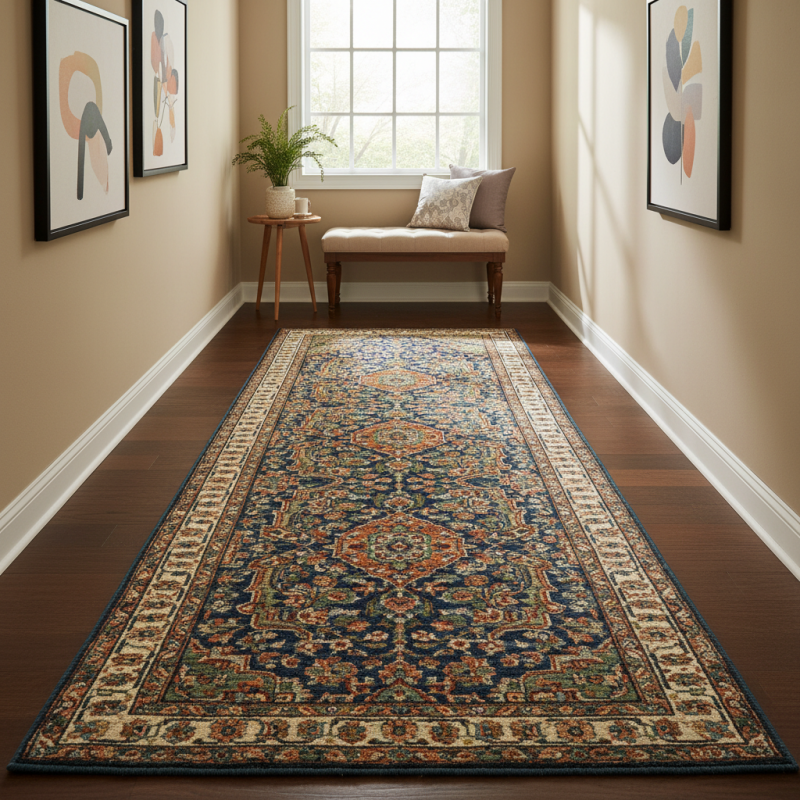
What is a Runner Rug and How to Choose the Best One?
Runner Rugs can transform a space beautifully. They are long, narrow carpets designed for hallways, kitchens, or areas with high foot traffic. Often colorful and textured, they add warmth to hard surfaces.
Choosing the best runner rug involves various factors. You must consider size, material, and design. Think about the space it will occupy. A vibrant pattern can brighten a dull corridor. Soft textures can make bare floors cozier. But not all options are ideal for every home.
It's easy to get lost in choices. Sometimes, you may buy a runner rug that doesn’t fit your style. Others end up being impractical for daily use. Reflecting on your decisions can lead to better selections. The right runner rug can elevate your decor and enhance comfort. Remember, it's not just about looks; function matters too.
Understanding the Concept of a Runner Rug
A runner rug is a long, narrow rug typically used in hallways or kitchens. Its design allows it to stretch over extended areas while adding a decorative touch. These rugs serve both functional and aesthetic purposes. They can protect floors from wear and add warmth to cold surfaces. When placed correctly, they guide foot traffic in high-use areas.
Choosing the right runner rug can be tricky. Consider size and material first. A rug that is too short can look awkward, while one that is too long may overwhelm a space. Materials matter too; soft fibers can make a space feel cozy, while durable ones withstand heavy foot traffic. Don't forget about color and pattern. A bold design can be a statement piece. However, it can easily clash with existing decor.
Messy spaces can complicate rug placement. You may need to rethink furniture arrangements to achieve a harmonious look. If the rug doesn't align well, it may feel out of place. Listen to your instincts while shopping. It's okay to question your choices. A runner rug should enhance your home, not create confusion or clutter.
Key Features and Benefits of Runner Rugs
Runner rugs are increasingly popular for their practicality and versatility. These long, narrow rugs can fit in various spaces, such as hallways, kitchens, and entryways. A report by the American Home Furnishings Alliance noted that the global rug market is projected to grow significantly, reaching a value of approximately $5 billion by 2025. This growth suggests a rising interest in decorative solutions like runner rugs.
When choosing a runner rug, consider material and design. Wool and synthetic fibers offer durability and are easy to clean. According to a survey by the National Association of Home Builders, 70% of homeowners prefer rugs that complement their interior design. Patterns can add character and warmth to any room. However, some may find it challenging to match colors precisely, leading to a mismatched aesthetic.
The benefits of runner rugs are substantial. They provide comfort underfoot and reduce noise in busy areas. In fact, rugs can absorb sound, making spaces feel cozier. Yet, improper sizing can result in awkward placements, which diminish their effect. In an ideal setting, a runner rug not only enhances visual appeal but also contributes to functionality. Careful consideration is vital to ensure that the chosen rug meets the needs of your home.
Runner Rug Popularity by Style
Factors to Consider When Choosing a Runner Rug
Choosing the right runner rug can be a daunting task. It’s more than just style; you have to consider various factors. One key aspect is the material. Soft fibers like wool provide comfort. Synthetic options are durable and often stain-resistant. A report from the Home Textile Association indicates that durable materials can enhance longevity by up to 30%.
Color and pattern also greatly influence your choice. A bold pattern can be a statement piece. However, it may clash with existing décor. Selecting a neutral color might feel safer, but it could limit your space's character. Additionally, the size is crucial. A rug that's too small can feel lost in a room. Research shows that properly sized rugs can visually enlarge spaces by creating boundaries.
Finally, maintenance should also be considered. Some materials require professional cleaning, while others are low-maintenance. This can impact cost over time. A study by the Carpet and Rug Institute revealed that rugs not regularly cleaned might harbor allergens, which is especially important for homes with pets. Choosing a runner rug requires balancing aesthetics and practicality for the best outcome.
Popular Materials Used in Runner Rugs
Runner rugs are versatile and stylish additions to any space. They can enhance narrow hallways, entryways, or even kitchen spaces. When choosing one, understanding the materials is essential. The right fabric will determine not only the look but also the durability of the rug.
Popular materials for runner rugs include wool, nylon, and polyester. Wool offers softness and warmth. It’s also naturally stain-resistant, which is great for high-traffic areas. However, wool can be pricier and may require more maintenance. Nylon is durable and resistant to stains, making it a practical choice for busy households. But it might lack the cozy feel that wool provides. Polyester is another option, known for its vibrant colors and affordability. However, it may not hold up as well as the other materials over time.
You should consider the layout of your space. Think about the color schemes and patterns. A bold design may clash in a small room. Also, be mindful of the rug’s size. It’s easy to underestimate the dimensions. An oversized rug can overwhelm a narrow hallway, while a too-small one might look misplaced. Opt for a balance that complements your decor.
Tips for Maintaining and Cleaning Runner Rugs
Runner rugs can add style and comfort to any space. However, maintaining their beauty requires effort. Regular cleaning is essential. Vacuuming at least once a week helps remove dust and dirt. Pay attention to high-traffic areas, as they collect debris quickly. You might notice that some stains are stubborn. Don’t fret; treating them promptly can prevent permanent marks.
For deeper cleaning, a gentle wash is ideal. Use lukewarm water and mild detergent. Test a small area first to see how the fabric reacts. Air drying is preferable, as direct sunlight can fade colors. Sometimes, vacuuming isn’t enough. If odors linger, a sprinkle of baking soda can help absorb them. Let it sit before vacuuming again.
Consider the rug’s material when choosing cleaning methods. Synthetics may be more forgiving, while natural fibers often require extra care. Avoid harsh chemicals—they can damage the fabric. If you’re unsure, seek professional help. This decision might feel daunting, but it can save your rug. Thoughtful maintenance can extend the life of a runner rug and keep it looking fresh.
What is a Runner Rug and How to Choose the Best One? - Tips for Maintaining and Cleaning Runner Rugs
| Dimension | Material | Color Options | Usage | Maintenance Tips |
| 2' x 6' | Polypropylene | Blue, Red, Beige | Hallway, Kitchen | Vacuum regularly, Spot clean |
| 2' x 8' | Wool | Gray, Ivory | Entryway, Living Room | Professional cleaning recommended |
| 3' x 10' | Cotton | Patterned, Multi-color | Dining Room, Corridor | Washable, Air dry |
| 4' x 6' | Sisal | Natural, Brown | Indoor, Outdoor | Brush to remove dirt, Do not soak |