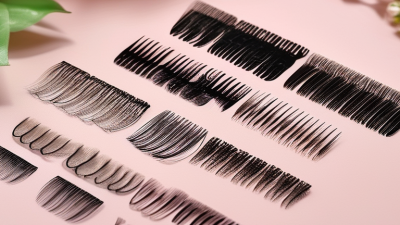
7 Tips for Choosing Classic Lash Extensions?
Choosing classic lash extensions can look simple, yet the result depends on details beyond length and curl. A skilled technician considers your natural lash strength, eye shape, comfort, and daily routine. This guide explores seven practical tips for selecting a balanced, durable set without chasing unrealistic fullness. Subtle can be beautiful.
The phrase “Classic Extensions Lash” often describes a one-to-one application, where one extension is attached to one natural lash. This method can create a clean, mascara-like effect with carefully chosen fibers. Your consultation should cover curl, diameter, length, adhesive sensitivity, maintenance, and expected retention. Ask to see qualified work, not only edited photos. A reputable professional should explain patch testing, hygiene procedures, and aftercare in clear language.
Real experience also reveals a less polished truth: the longest lashes do not always look the most elegant. Heavy extensions may stress delicate natural lashes or feel uncomfortable during sleep. I once underestimated how much a client’s glasses affected her preferred length, and that small detail changed the final design. Better planning would have helped. These seven tips examine styling, safety, technician expertise, material quality, upkeep, eye comfort, and realistic expectations. They are useful for beginners, but personal assessment still matters. Every eye area differs, and no online guide can replace an in-person evaluation.

Assess Your Natural Lashes and Desired Classic Look
7 Tips for Choosing Classic Lash Extensions: Assess Your Natural Lashes and Desired Classic Look
Classic extensions create a clean, mascara-like effect by placing one extension on one natural lash. Before choosing a length, examine your lash density, curl, thickness, and growth pattern. Fine lashes may not safely support heavy extensions. Short, healthy lashes can still produce an elegant result.
A qualified lash professional should inspect your lashes during a consultation. Ask how much weight your natural lashes can carry. The longest option is rarely the best option. A balanced design may use shorter fibers near the inner corners and slightly longer ones toward the outer edge. Your eye shape matters too. Straight lashes may need a different curl from naturally lifted lashes.
Think about your daily routine and the look you actually want. A soft classic set suits offices, glasses, and low-maintenance routines. A darker, fuller appearance may require stronger natural lashes. Tell the technician if your eyes are sensitive or watery. Patch testing may help identify possible adhesive reactions, although it cannot guarantee complete protection. Avoid choosing a dramatic length from a photo without discussing your own lashes. Photos can mislead.
A slightly imperfect match is often safer than excessive weight. I would rather see a modest set that keeps natural lashes comfortable. Ask to review the final design before application. Small changes can make a noticeable difference.
Choose Suitable Lash Length, Curl, Diameter, and Material
7 Tips for Choosing Classic Lash Extensions?
Classic lash extensions should match the natural lashes, not compete with them. During consultations, I check lash strength, eye shape, and the client’s daily routine. Length matters most. Many clients suit 8–12 mm extensions, while fragile lashes may need shorter fibers. A useful guide is keeping the extension no more than 2–3 mm longer than the natural lash. This is not a fixed rule. I sometimes adjust it after seeing how the lashes move.
Curl changes the entire expression. A J or B curl looks soft and relaxed, while C creates a noticeable lift. CC and D curls can look striking, but they may feel too dramatic on hooded eyes. Diameter also affects comfort and retention. For classic sets, 0.10–0.15 mm is often suitable, depending on natural lash thickness. Heavy extensions can stress weak lashes. I learned this slowly.
Material deserves careful attention. Quality synthetic fibers usually offer consistent shape, weight, and sanitation. “Mink-like” does not automatically mean better. Ask about the fiber source and professional handling. A trained technician should use clean tools, fresh adhesive, and proper isolation. A sensitivity test may help, but it cannot guarantee no reaction. My early choices were sometimes too bold. Reviewing photos after each appointment helps refine future decisions.
7 Tips for Choosing Classic Lash Extensions: Length, Curl, Diameter, and Material
Use this practical guide to select classic lash extensions that complement the client’s eye shape, natural lashes, comfort needs, and desired appearance.
| Tip | Main Decision | Suitable Options | Recommended Use | Avoid or Adjust When | Practical Selection Notes |
|---|---|---|---|---|---|
| 1 | Match the extension length to the natural lash |
Common lengths: 6–15 mm Everyday range: 8–12 mm |
Choose a length that creates visible enhancement while keeping the natural lash stable and comfortable. | Do not select a long extension simply to create more drama. Excessive length can increase leverage and place unnecessary stress on the natural lash. | Measure the natural lash and consider its strength, growth stage, and direction. Shorter lengths are generally more suitable for inner corners and shorter natural lashes. |
| 2 | Select a curl that follows the client’s eye structure |
J or B: subtle lift C: natural, versatile lift CC or D: stronger opening effect L or L+: straighter base with lifted tip |
Use softer curls for a natural appearance and stronger curls when the client wants a more noticeable lift. | A very strong curl may look disconnected from straight or downward-growing natural lashes. A soft curl may be less visible on highly curled natural lashes. | Compare the extension curl with the natural lash direction and eyelid space. L-type curls can be useful for some hooded or deep-set eye structures, but placement must remain precise. |
| 3 | Choose a safe diameter |
0.03–0.07 mm: light volume or lightweight effects 0.10–0.12 mm: delicate classic sets 0.15–0.18 mm: fuller classic appearance |
For classic application, select a diameter that the natural lash can support without visible drooping or discomfort. | Avoid thick diameters on fine, short, weak, or damaged natural lashes. A heavier extension can create excess load even when the length appears moderate. | Diameter and length work together: as length increases, a lighter diameter is often more appropriate. The final choice should be based on the natural lash assessment, not the client’s preferred thickness alone. |
| 4 | Compare extension materials by finish and flexibility | Common options include synthetic fibers with different levels of sheen, softness, taper, and flexibility. | A soft, flexible fiber is generally comfortable for daily wear and can provide a more natural-looking finish. | Avoid choosing solely by appearance. A very glossy or rigid fiber may look less natural or feel less comfortable for some clients. | Check the fiber’s consistency, curl retention, weight, and surface finish. Material names can vary, so compare the actual product specifications and sample lashes. |
| 5 | Adapt the design to the eye shape |
Open-eye: longest lengths near the center Cat-eye: gradual length toward the outer corner Natural: subtle length changes following the lash line |
Use mapping to balance the eye area rather than applying the same length across the entire lash line. | Excessive outer-corner length may visually pull down some downturned or hooded eyes. Very long center lengths may overwhelm small or deep-set eyes. | Adjust the map for symmetry, eyelid space, natural lash direction, and the client’s glasses or contact-lens preferences. |
| 6 | Prioritize natural-lash health and attachment quality | Each extension should be attached to one suitable natural lash with a clean, controlled bond and a small separation from the skin. | Healthy attachment supports comfort, neat growth, and a more predictable shedding pattern. | Do not attach extensions to irritated skin, severely compromised lashes, or multiple neighboring lashes stuck together. Stop and assess if burning, swelling, or persistent redness occurs. | Use an appropriate isolation technique, maintain a clean working environment, and follow the adhesive manufacturer’s instructions for storage, curing conditions, and use. |
| 7 | Consider maintenance, lifestyle, and aftercare | Typical refill planning: approximately 2–4 weeks, depending on the natural lash cycle, retention, and care routine. | Select a lighter, more natural design for clients who want low maintenance or have limited time for regular appointments. | Frequent rubbing, oil exposure around the eyes, picking, sleeping face-down, and inadequate cleansing can reduce retention and cause premature shedding. | Recommend gentle daily cleansing, careful drying, no picking, and regular professional maintenance. Clients with eye sensitivity should receive an appropriate consultation before application. |
Match the Extension Style to Your Eye Shape
7 Tips for Choosing Classic Lash Extensions
Match the Extension Style to Your Eye Shape
Classic lash extensions look balanced when the design follows your eye shape, not a trending photo. Study the natural lash line before choosing length, curl, or placement. Almond eyes usually suit a soft, even map with slightly longer outer lashes. Round eyes can look more elongated with a gentle open-eye design, rather than extreme center length. Keep it subtle.
For hooded eyes, place curl where it remains visible when the eyes are open. Monolids may need a stronger curl and shorter lengths near the inner corner. Downturned eyes often benefit from lifting the outer third, while upturned eyes can handle a balanced outer edge. Deep-set eyes may need visible curls that do not disappear beneath the brow area. These are useful starting points, not strict rules.
Ask the lash artist to assess your natural lash strength, eyelid movement, and daily habits. A qualified professional should explain why a certain map suits your features. They should also adjust weight and length to protect fragile natural lashes. I once favored longer outer corners because they photographed beautifully, but they overwhelmed smaller eyes in person. That mistake taught me to check the result from several angles. Bring a clear photo of your usual makeup, and mention whether you wear glasses or rub your eyes often. A good design should feel light, comfortable, and believable.
Verify the Technician’s Skills, Tools, and Hygiene Standards
7 Tips for Choosing Classic Lash Extensions?
Verify the technician’s skills, tools, and hygiene standards before booking an appointment. A polished portfolio helps, but it cannot prove safe technique. Ask how long they have practiced classic extensions and how they assess natural lash strength. Ask direct questions. They should explain isolation, adhesive control, refill timing, and possible irritation clearly.
Watch the workspace carefully. Clean hands, fresh gloves, disinfected tweezers, and single-use applicators show professional habits. Lash trays should remain covered when unused. The bed should have clean coverings, with no dust or dried adhesive nearby. A qualified technician should check your comfort throughout the service, not only at the beginning. They should also record sensitivities and explain aftercare in simple language.
I once focused too much on a beautiful photo and ignored the consultation. That was a mistake. Skill appears in small details, such as balanced placement and gentle handling. Extensions should not feel heavy, tight, or painful. If the technician rushes, avoids questions, or promises identical results for everyone, reconsider the appointment. No checklist is flawless. Still, observing the tools and asking specific questions can reveal whether the service deserves your trust.
Follow Proper Aftercare to Maintain Comfort and Retention
7 Tips for Choosing Classic Lash Extensions
Follow Proper Aftercare to Maintain Comfort and Retention
Classic lash extensions look simple, but aftercare decides how comfortable they remain. Choose a qualified lash professional who checks your natural lash strength and explains the adhesive curing time. I once underestimated this waiting period; touching the lashes too soon caused uneven shedding. Keep the area dry for the time your technician recommends, because curing times can differ.
Clean lashes gently each day with a lash-safe, oil-free cleanser. Use a soft brush and rinse without rubbing. Pat the eye area dry with a clean towel. Avoid waterproof mascara, oily eye creams, and heavy makeup near the bonds. These products may weaken retention or make cleansing difficult. Keep fingers away from the extensions. It is harder than expected.
Sleep on your back when possible, or use a smooth pillowcase to reduce friction. Brush the lashes lightly when they are fully dry, especially after washing. Never pull loose extensions, even if one feels annoying. Book maintenance appointments before gaps become obvious, and ask the technician to remove extensions safely when needed. If you notice persistent redness, swelling, pain, or unusual discharge, stop wearing eye products and seek advice from a qualified healthcare professional. Comfort matters more than a fuller appearance.
7 Tips for Choosing Classic Lash Extensions
Follow Proper Aftercare to Maintain Comfort and Retention
These typical care intervals help support comfortable wear and better retention. Always follow your lash professional’s specific adhesive and aftercare instructions.
Related Posts
-
What Are the Best Classic Lash Extensions for Buyers?
-
Top Benefits of Bulk Lashes: How to Choose the Best for Your Business
-
7 Best Classic Lashes to Transform Your Eye Makeup Game
-
10 Best Eyelash Lash Suppliers for Global Buyers?
-
How to Master the Art of Using Easy Fan Lashes for Stunning Volume
-
2026 Best Lash On Lash Types for Global Buyers