What Are the Top 10 Classic Eyelash Suppliers?
Choosing the right supplier shapes every Classic Eye Lash service, from the first consultation to the final retention check. This guide examines ten established suppliers serving professional lash artists, salons, and training academies. It considers lash fiber quality, curl consistency, thickness options, adhesive compatibility, packaging, education, delivery reliability, and customer support.
Jo Mousselli, co-founder of NovaLash and a respected lash-industry educator, has emphasized, “Safety is always our number one priority.” That principle belongs at the center of supplier research. A beautiful tray means little if its labeling is unclear, its fibers vary, or its products arrive poorly sealed. Professional experience also teaches a less convenient truth: the most popular brand is not automatically the best fit for every artist.
Real working conditions matter. A supplier may offer deep black fibers, precise curls, and clean trays. Yet artists should still test weight, flexibility, adhesive performance, and retention on suitable clients. Documentation matters too. Look for ingredient information, batch details, training resources, and responsive technical assistance. These details support safer, more consistent decisions.
Some rankings remain imperfect.
Supplier reputations change. Stock levels fluctuate. Regional regulations differ. Therefore, this overview uses practical criteria rather than advertising claims alone. The selected companies are assessed for product consistency, professional credibility, transparent information, and long-term usability. Readers should still verify current certifications and local requirements before purchasing. A thoughtful supplier choice protects client comfort, supports artist confidence, and gives each Classic Eye Lash set a dependable foundation.
What Defines a Classic Eyelash Supplier?
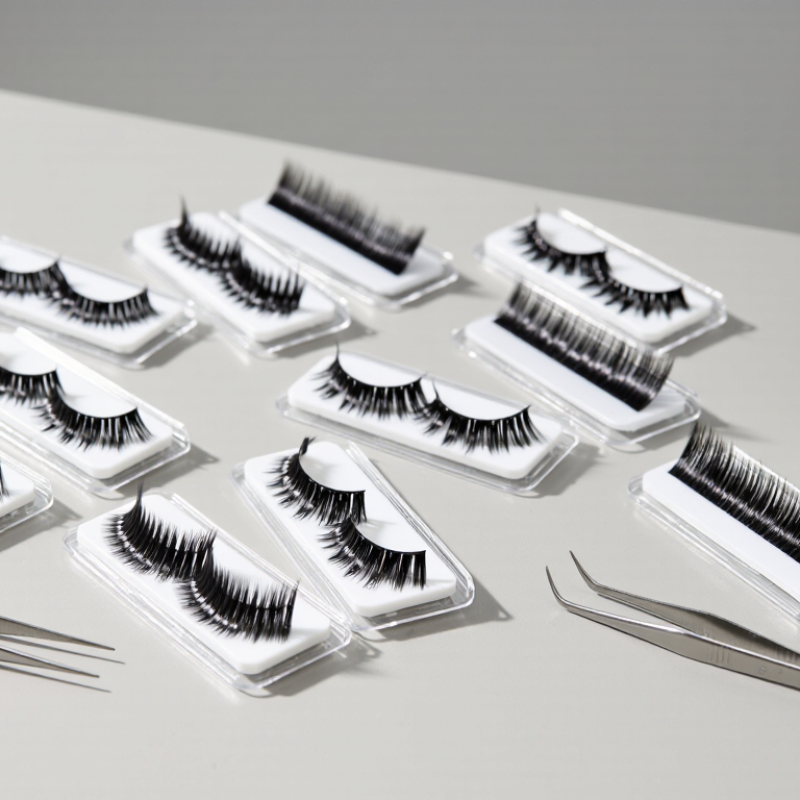
A classic eyelash supplier is defined by control, not attractive packaging. Classic extensions support a one-to-one application, so diameter, curl, length, and weight must remain consistent. A reliable supplier provides clear product specifications, batch numbers, material details, and realistic delivery times. Samples should show clean bands, even fibers, and stable curls after handling.
Grand View Research estimated the global false eyelashes market at about USD 1.6 billion in 2023. Its report also projected steady growth through 2030. This expansion increases choice, but it may also hide uneven quality. Experienced lash technicians know that small differences can affect isolation, retention, and client comfort. A professional supplier should offer test batches, responsive technical support, and documented quality checks. Certification alone is not enough. That is worth remembering.
Tips: Compare three sample batches, not one. Measure curl consistency under the same light. Check whether the tray label matches the product sheet. Ask about storage conditions and replacement policies. A supplier that avoids specific answers deserves caution. Still, even careful buyers can miss defects during a quick inspection. Photograph each batch before use, and record retention feedback from real appointments. These records create practical evidence, rather than relying on promises.
How the Top 10 Classic Eyelash Suppliers Are Evaluated
Evaluating the top 10 classic eyelash suppliers requires more than comparing catalog photos. Professional buyers examine curl shape, fiber softness, thickness, length accuracy, and band flexibility. A tray should look uniform under bright inspection light, with clean rows and minimal loose fibers. Small defects matter. They affect application time and customer comfort.
Reliable evaluation also includes sample testing, production consistency, order minimums, lead times, packaging, and communication quality. Ask for clear material details and recent quality records. Test several batches, not just one attractive sample. A supplier may perform well during sampling but become inconsistent during larger production. That weakness should be recorded honestly. Customer feedback, transparent policies, and responsive support add authority to the assessment. Independent testing is useful when product claims seem vague. Pricing matters, but the cheapest option may create higher replacement costs.
Tips: Compare samples in the same lighting. Measure five lashes from each tray. Check whether the curl stays stable after careful handling. Record delivery dates and response times. Do not rely on polished images alone. A useful scoring sheet can rank quality, consistency, service, and value separately. Leave room for human judgment, because comfort and appearance are not always captured by numbers.
What Are the Top 10 Classic Eyelash Suppliers? - How the Top 10 Classic Eyelash Suppliers Are Evaluated
Evaluation criteria include classic lash assortment, curl and thickness availability, material consistency, minimum order quantity, customization capability, lead time, documentation quality, and suitability for professional salon or retail use. Anonymous profiles are used to compare supplier capabilities without displaying company or brand information.
Profiles of the Top 10 Classic Eyelash Suppliers
Profiles of the Top 10 Classic Eyelash Suppliers
The strongest classic eyelash suppliers differ in production focus, materials, and service depth. A boutique hand-maker usually offers precise trays, soft bands, and small-batch attention. An OEM factory supports private labeling, stable volumes, and customized lengths. A vegan-fiber specialist develops lightweight alternatives with consistent curl retention. A salon wholesaler often provides mixed trays, training materials, and practical reorder support.
A rapid-stock distributor suits salons that need dependable delivery. Its value depends on accurate inventory, not attractive promises. A custom-curl laboratory serves artists seeking unusual curls, tapered tips, or specific diameter options. A budget bulk supplier may reduce unit costs, but buyers should inspect shedding, tray alignment, and packaging quality. The best evidence includes product samples, batch records, and clear material specifications.
A sustainability-focused supplier reduces unnecessary plastic and documents packaging choices. A regional logistics supplier can simplify customs paperwork and shorten delivery windows. A training-led supplier adds application guidance, storage instructions, and realistic usage notes. That support can prevent expensive mistakes. Still, no supplier is flawless. One may offer excellent fibers but weak communication. Another may answer quickly but provide inconsistent batches. Buyers should compare sample performance, adhesive compatibility, return terms, and manufacturing traceability before committing. Small details matter, especially when lashes arrive bent, dusty, or mislabeled.
Comparing Products, Quality, Pricing, and Customization
A reliable comparison of the top ten classic eyelash suppliers should begin with product consistency, not attractive photos. I examine curl shape, band flexibility, fiber softness, and tray labeling. Classic lashes commonly range from natural 0.10 mm to fuller 0.25 mm options. Suitability depends on trained application and client needs. Strong suppliers offer stable curls, clean separation, and accurate length charts. One flawed tray can waste appointment time. I have found that a soft, even band often matters more than dramatic packaging. Still, visual inspection alone is not enough. Batch records and material disclosures deserve equal attention.
Pricing should be compared per usable lash, not per box. A low-priced tray may contain uneven fibers, inconsistent lengths, or excessive waste. Ask about sample orders, minimum quantities, shipping terms, and replacement policies. Customization can include mixed-length trays, curl combinations, private labels, and tailored thickness ranges. Reliable suppliers confirm specifications in writing and provide production samples before larger orders. However, customization raises costs and may slow delivery. That trade-off is easy to underestimate.
Tips: Test three trays from different batches. Measure ten fibers with a caliper. Check curl recovery after gentle handling. Record retention feedback from qualified technicians. Keep a scorecard for softness, consistency, price, and delivery accuracy. Do not trust one perfect sample. A broader test is safer.
How to Choose the Right Classic Eyelash Supplier
Choosing a classic eyelash supplier requires more than comparing catalog photos and low prices. When comparing a top-ten shortlist, begin with material clarity. Ask whether fibers are synthetic, consistent in curl, and matched across production batches. Request samples in several lengths, curls, and thicknesses. Inspect the band, tray labels, adhesive compatibility, and symmetry under bright light. Small defects become visible during a detailed lash application.
Ask for product specifications, batch records, and current safety documentation. Reliable suppliers should explain their inspection process without vague promises. Third-party testing may help verify material safety, but documents should be current and traceable. Do not accept copied certificates. Check factory capacity, minimum order quantities, lead times, and replacement policies before placing a large order. One attractive sample proves little. Ask how rejected trays are handled and whether production changes require approval. Clear answers reveal operational maturity.
Communication also matters. A supplier who responds quickly but avoids exact dates may still create scheduling problems. Test a small order first, then compare curl retention, band comfort, packaging accuracy, and delivery condition. Keep written records of every discussion. That step is easy to overlook. Even experienced buyers can overvalue polished photos or unusually low quotations. Pricing deserves context: stable quality, dependable logistics, and transparent revisions often matter more than the cheapest unit cost. Still, no supplier is flawless. Allow room for inspection delays, sample differences, and questions your first checklist missed.