
Top 10 Tattoo Machine Grips for Professional Tattoo Artists
A steady hand begins with more than a capable machine. The grip is the artist’s contact point, shaping how securely the tool sits during long, detailed sessions. Small differences matter: diameter, weight, surface texture, and the way a grip balances the machine. A slippery finish can become distracting when gloves are on. A grip that feels comfortable for one hand may strain another.
The market is growing, but growth does not prove that every product is well designed. Grand View Research estimated the global tattoo market at about USD 2.0 billion in 2023 and projected continued expansion through 2030. That figure describes the wider tattoo market, not grip sales or product quality. Still, it shows why artists face an expanding range of equipment choices. OSHA’s ergonomic guidance also identifies repetition and awkward postures as workplace risk factors. It offers no tattoo-grip rankings, so product decisions still require careful comparison.
This Top 10 guide examines grip design through practical criteria: fit, material, weight, compatibility, and ease of cleaning. It considers manufacturer specifications and distinguishes them from claims that need hands-on testing. A few trade-offs are unavoidable. Softer materials may feel secure, yet some artists prefer a firmer surface. There is no universal winner. The best Tattoo Machine Grip should support controlled movement without forcing the artist to adapt to an uncomfortable tool. Look closely at the details. They can change the feel of an entire session.
Tattoo Machine Grips Explained: Purpose, Design, and Professional Use
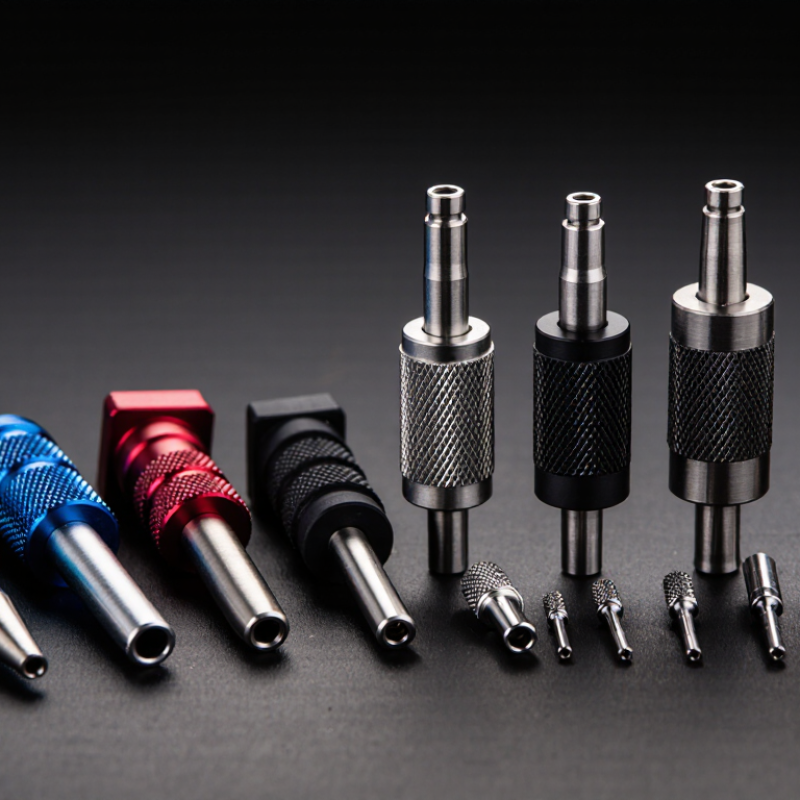
A tattoo machine grip is the artist’s main contact point with the machine. It helps steady the hand, manage vibration, and support repeatable needle movement. Its design matters. Diameter, weight, surface texture, and balance all affect how the machine feels during a long session. A slim grip can suit a lighter hold, while a wider profile may feel steadier for some hands. Neither shape is right for everyone. The best fit allows relaxed fingers and a neutral wrist, rather than a tight squeeze.
Professional use means matching the grip to the task, hand size, and machine setup. EU-OSHA’s 2022 OSH Pulse survey found that 27% of surveyed European workers reported muscle pain in their upper limbs. The survey covered workers broadly, not tattoo artists specifically, but it highlights why sustained hand posture deserves attention. A grip may improve control; it cannot correct poor wrist angles or excessive pressure. During setup, check balance with the machine held as you would work, not only on a bench. Confirm that reusable components are compatible with the studio’s validated cleaning and sterilization procedures. Small details matter. And the fit is never perfect for every session. A short reassessment between appointments can catch fatigue before technique starts to drift.
| Rank | Grip Type / Design | Typical Construction | Common Diameter* | Purpose and Design Features | Professional Use | Hygiene and Compatibility |
|---|---|---|---|---|---|---|
| 1 | Standard round metal grip | Stainless steel or another machine-compatible metal | About 25–32 mm | A straightforward cylindrical shape that provides a familiar, balanced hold. | A versatile option for artists who prefer a traditional round grip. | Reusable models require cleaning and sterilization according to the manufacturer's instructions. Confirm machine and tube-system compatibility. |
| 2 | Ergonomic contoured grip | Metal or molded grip material | About 30–40 mm | A wider or shaped profile is designed to give the hand a more substantial contact area. | May suit artists who prefer a larger hold during longer sessions. | Check that every surface and joint can be cleaned effectively, and verify whether the material is approved for the intended sterilization method. |
| 3 | Knurled metal grip | Textured stainless steel or other compatible metal | About 25–32 mm | Machined texture adds surface friction without requiring a soft outer covering. | Useful for artists who prefer a firm, textured feel with conventional equipment. | Texture grooves need thorough cleaning. Reusable grips must be processed using validated cleaning and sterilization procedures. |
| 4 | Lightweight metal grip | Typically aluminum or another lightweight metal | About 25–32 mm | Designed to reduce the grip's contribution to overall machine weight. | Can be considered by artists who prefer a lighter hand setup. | Do not assume all metals tolerate every autoclave cycle or chemical. Follow the maker's care instructions and inspect the surface regularly. |
| 5 | Weighted metal grip | Solid or deliberately weighted metal construction | About 28–38 mm | Adds mass to the hand-held assembly and may alter its balance. | For artists who prefer a heavier feel; suitability depends on individual technique and comfort. | Confirm machine balance and secure fit. Reusable models must be cleaned and sterilized as specified for their material. |
| 6 | Rubberized or coated grip | Metal core with a rubber-like or polymer outer surface | About 28–35 mm | A softer or higher-friction exterior changes the feel of the grip. | May appeal to artists who want a less rigid contact surface. | Coatings can have different cleaning and heat tolerances from the core. Use only the cleaning and sterilization methods approved for that specific grip. |
| 7 | Disposable cartridge grip | Single-use molded plastic, often incorporating a cartridge interface | About 25–35 mm | Combines a hand-held grip with a design intended for compatible cartridge systems. | For setups designed around disposable cartridge components. | Use once and discard in accordance with local clinical-waste rules. Verify cartridge and machine compatibility; never reuse a single-use grip. |
| 8 | Large-diameter disposable grip | Single-use molded plastic or similar disposable material | About 30–40 mm | A wider disposable profile offers a different hand feel from a standard-diameter grip. | For artists who prefer a broader hold while using a compatible disposable setup. | Single use only. Confirm that the grip fits the machine and cartridge system, and follow applicable disposal requirements. |
| 9 | Traditional needle-and-tube grip | Reusable metal grip paired with a compatible needle bar and tube arrangement | Varies by tube and grip design; commonly around 25–32 mm | Designed for traditional setups rather than relying solely on a cartridge grip assembly. | For artists using compatible traditional needle configurations. | Check tube, bar, and machine fit. Reusable components require validated cleaning and sterilization; follow the manufacturer's instructions. |
| 10 | Grip sleeve or wrap-compatible grip | Reusable grip used with a disposable sleeve, barrier, or grip wrap | Grip-dependent; sleeves add thickness | A barrier or wrap can change the contact feel and help cover the grip during a procedure. | For artists who prefer to customize grip thickness or use a barrier over a reusable grip. | Barriers do not replace required cleaning and sterilization of reusable equipment. Change single-use barriers between clients and follow product directions. |
*Diameter figures are approximate common ranges, not universal specifications. Actual dimensions, weight, sterilization suitability, and machine or cartridge compatibility vary by design. Select a grip based on fit, handling preference, and the manufacturer's instructions.