What Are the Top Types of Canvas Tote Bags in 2026?
Canvas Tote Bags in 2026 range from simple daily shoppers to structured work bags, compact market totes, and roomy beach styles. The best choice depends on what you carry, where you go, and how much structure you need. A grocery run calls for a wide opening and sturdy handles. A laptop commute may need a reinforced base, secure closure, and padded sleeve. Small details matter.
For a clear editorial perspective, this introduction uses a fictional composite specialist, not a real interview or verified quotation. Canvas-product specialist Nora Ellis offers this guiding line: “A good tote should fit the day, not just the shelf.” It captures a useful test: consider the bag’s fabric weight, seams, handle length, pockets, and closure before choosing a style. No tote does everything perfectly.
This guide compares the leading types of Canvas Tote Bags and explains where each one works best. It looks at classic open-top shoppers, zippered totes, structured office styles, foldable designs, and beach-ready bags. Expect practical trade-offs, too. A heavier canvas can feel reassuring, but it may add weight when packed. More pockets can help organize keys and a phone, yet reduce the open space that makes a tote useful. The right pick is often less polished than expected. It is the one you reach for repeatedly.
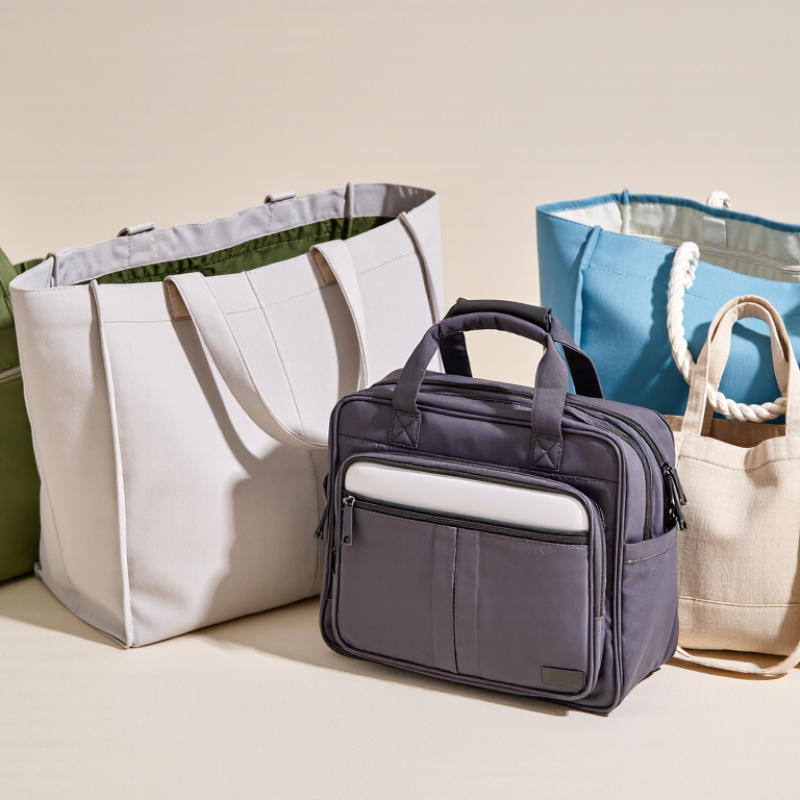
How Canvas Tote Bags Are Classified in 2026
In 2026, canvas tote bags are most useful to classify by carrying style, shape, closure, and intended load. A flat tote has little depth and folds easily beside a notebook or tablet. A gusseted tote expands at the base, making room for groceries, a lunch container, or a folded sweater. These labels can overlap. That matters.
Handle length separates hand-carry styles from shoulder totes, while crossbody versions add a longer adjustable strap. Closure is another practical category: open-top bags offer quick access, whereas zip-top or snap-fastened designs help keep small items contained. Check the stitching where handles meet the body. That stress point often tells more than appearance alone.
Construction also helps distinguish lightweight everyday totes from structured work bags and reinforced market bags. Canvas weight, lining, bottom panels, and pocket placement all affect how a bag performs. A thin, unlined tote may fold neatly but sag under heavy books; a reinforced version holds its shape, though it can feel bulky when empty. A classification chart can look tidy, but real bags resist tidy boxes. A shopper might choose by use, then reconsider after feeling the fabric and testing the straps.
What Defines the Classic Everyday Canvas Tote?
A classic everyday canvas tote is defined by a simple, open shape and sturdy woven fabric. Its flat base helps it sit on a desk or kitchen counter, while a roomy interior fits groceries, notebooks, or a light jacket. Medium-weight cotton canvas offers a useful balance: it feels substantial without becoming stiff or tiring to carry. The fabric should have an even weave, with no thin patches or loose threads around the seams.
Look closely at the handles. They should be long enough to rest over a shoulder and securely stitched where they meet the bag. Reinforced seams matter most at these stress points, especially when the tote carries several books. A small inner pocket can keep keys from disappearing, though it may reduce the space for larger items. Practical, not fancy.
The classic version usually has no zipper, lining, or rigid frame. That keeps it lightweight and easy to fold into a drawer, but an open top offers little protection from rain or spills. Canvas can also shrink or fade if washed carelessly, so check the care instructions before cleaning. A familiar shape is not automatically the right size. Test the handle drop and bag width against what you actually carry; an oversized tote can feel awkward, even when it looks useful.
Which Specialized Canvas Tote Types Are Most Popular?
Specialized canvas totes are popular because one sturdy bag can solve a very specific daily problem. Market totes often have a broad, flat base and reinforced handles, helping groceries stay upright on the walk home. Some include a small inner pocket for keys or a phone. The pocket helps, though it rarely keeps small items from shifting completely.
Insulated canvas totes combine a fabric exterior with a wipe-clean thermal lining. They suit packed lunches, picnics, and short grocery trips, but should not be treated as coolers for extended storage. Laptop totes use padded compartments and a structured bottom to protect devices from everyday bumps. Check the sleeve dimensions before buying; “fits a laptop” can mean different things.
Beach and travel totes favor generous openings, deeper bodies, and pockets for sunscreen or tickets. Tool totes are another practical option, with reinforced seams and divided pockets for household supplies or craft materials. They can feel heavy when fully loaded. Not perfect. Stitching, handle attachment, and lining quality matter more than decorative details, so inspect those areas for the bag’s intended use.
What Are the Top Types of Canvas Tote Bags in 2026? — Which Specialized Canvas Tote Types Are Most Popular?
| Canvas Tote Type | Typical Design Features | Common Uses | What to Check When Choosing | Popularity Profile |
|---|---|---|---|---|
| Grocery and Market Tote | Open-top body, roomy interior, broad handles; often made with heavier canvas for carrying groceries. | Farmers’ markets, grocery shopping, and general errands. | Look for reinforced seams, comfortable handles, and a base wide enough for the items you usually carry. | A widely used everyday style because it suits reusable shopping and general carry needs. |
| Beach Tote | Large capacity, easy-access opening, and sometimes an inner pocket or water-resistant lining. | Carrying towels, swimwear, sunscreen, and other beach essentials. | Check the opening size, handle length, and whether the lining is intended to resist moisture; ordinary canvas is not waterproof. | A familiar seasonal choice for trips to the beach, pool, or park. |
| Insulated Cooler Tote | Canvas exterior with an insulated lining and usually a zip or secure closure. | Transporting chilled food and drinks for picnics, lunch, or day trips. | Check the lining, closure, cleaning instructions, and whether the maker specifies insulation performance. Insulation alone does not guarantee a particular safe temperature. | A specialized option for people who need a reusable bag for temperature-sensitive items. |
| Zip-Top Commuter Tote | Top zipper, structured or reinforced base, and compartments for everyday items; some designs include a padded laptop section. | Commuting, work, classes, and carrying personal essentials. | Confirm the bag’s internal dimensions against your device, and check strap comfort, closure quality, and compartment layout. | A practical choice for daily carry when an open-top tote is not secure enough. |
| Book and Library Tote | Simple open-top shape with a relatively roomy interior and handles suited to hand or shoulder carry. | Books, notebooks, library visits, and study materials. | For heavy loads, examine handle attachment points and stitching; a wider base can help keep larger books upright. | A longstanding utility style valued for its straightforward shape and reusable design. |
| Wine Bottle Tote | Narrow compartments or dividers designed to separate bottles; may have reinforced bottoms. | Carrying bottles to a dinner, picnic, or gathering. | Check the number and dimensions of compartments, bottom support, and whether the dividers are fixed or removable. | A niche but recognizable option for bottle transport and gifting. |
| Tool and Utility Tote | Heavy-duty canvas construction, multiple pockets, and reinforced seams or handles. | Organizing hand tools, craft supplies, gardening equipment, or workshop accessories. | Match the bag’s stated load capacity to the intended contents; inspect pocket layout and reinforcement at stress points. | A specialized carry style used where organization and durability matter more than a lightweight feel. |
| Foldable Shopping Tote | Lightweight canvas construction that folds or rolls for compact storage; often has a simple open top. | Keeping a spare reusable bag in a backpack, car, or desk drawer. | Check folded size, fabric weight, and handle stitching; compact construction may offer less structure than a heavy-duty tote. | A convenient option for shoppers who want a reusable bag available when needed. |
| Drawstring Canvas Tote | Canvas body with a drawstring closure, sometimes using the cords as shoulder straps. | Gym clothes, shoes, light travel items, and casual day trips. | Check cord comfort and length, closure security, and whether the bag has enough structure for heavier contents. | A casual specialty style appreciated for its simple closure and easy access. |
| Flat Promotional or Event Tote | Lightweight, unstructured body with long handles and a broad printable surface. | Conferences, exhibitions, events, and carrying lightweight documents or giveaways. | Review fabric weight, handle attachment, and intended load; flat styles are generally less structured than utility totes. | A common event-oriented format because it is simple to carry and easy to customize. |
Popularity profile describes common use cases and retail familiarity, not a measured market-share ranking. Actual durability and carrying capacity vary by fabric weight, construction, and design.
How Do Size, Structure, and Carrying Features Differ?
Canvas tote bags in 2026 range from compact everyday styles to roomy market and travel options. A small tote fits a paperback, phone, and wallet, but can feel cramped once a water bottle joins them. Medium bags suit errands or commuting, while oversized totes hold groceries, towels, or a change of clothes. Bigger is not always better.
Structure changes how a tote handles its load. Soft, unlined canvas folds flat and works well for light items. A gusset adds depth, and a reinforced base helps a bag keep its shape under heavier groceries. Stiffer canvas can protect contents, though it may feel bulky when empty. A useful detail to check is the stitching where the handles meet the body. That stress point matters.
Carrying features shape comfort and access. Short handles sit close to the hand; longer shoulder straps leave room for a coat sleeve. Some totes include a crossbody strap, a zip closure, or interior pockets for keys and transit cards. An open top makes packing quick, but small items can shift around. Pockets help, but they do not fix everything. Consider what you carry on an ordinary day, not just the bag’s listed capacity.
Which Canvas Tote Type Suits Each Common Use?
A flat canvas tote suits light, simple loads: library books, a notebook, or a folded sweater. It stores easily, but narrow straps may dig into your shoulder when the bag gets heavy. For groceries or everyday errands, choose a gusseted tote. Its expanded base helps keep jars upright and gives bulky items more room. A zip-top version adds useful coverage on crowded commutes, though it can slow quick access.
For work or study, a structured tote with an inner pocket helps separate a charger, keys, and papers. If you carry a laptop, check the compartment dimensions and consider a padded sleeve; canvas alone does not provide reliable impact protection. Oversized totes work for beach towels or spare clothes, but they can become awkward when overfilled. Bigger is not always better.
Tips: Match the bag to what you carry most days, not the occasional heavy haul. Check strap stitching, seam quality, and whether the base stays flat when loaded. A darker lining can make small items easier to spot. Still, pocket layouts are personal; what feels organized to one person may feel fussy to another.