China Top Military Uniform Suppliers for Global Buyers?
In today's global market, sourcing quality Military Uniforms has become increasingly important. Buyers seek manufacturers that not only provide durability but also embody style and functionality. China has emerged as a leading supplier of military uniforms, catering to diverse needs across various countries. The innovation and craftsmanship found in Chinese military uniform production are noteworthy.
Many Chinese suppliers offer a wide range of options. However, not every supplier guarantees the same level of quality. Buyers must conduct thorough research to identify reliable partners. It's essential to evaluate not just price but also the materials and manufacturing processes involved. This careful selection process can prevent future issues.
While China boasts numerous manufacturers, challenges exist in navigating this landscape. Pressing issues such as communication barriers and varying standards can hinder successful partnerships. Potential buyers should be prepared to address these complexities. Understanding the nuances of military uniform production in China helps ascertain which suppliers meet specific needs and quality expectations.
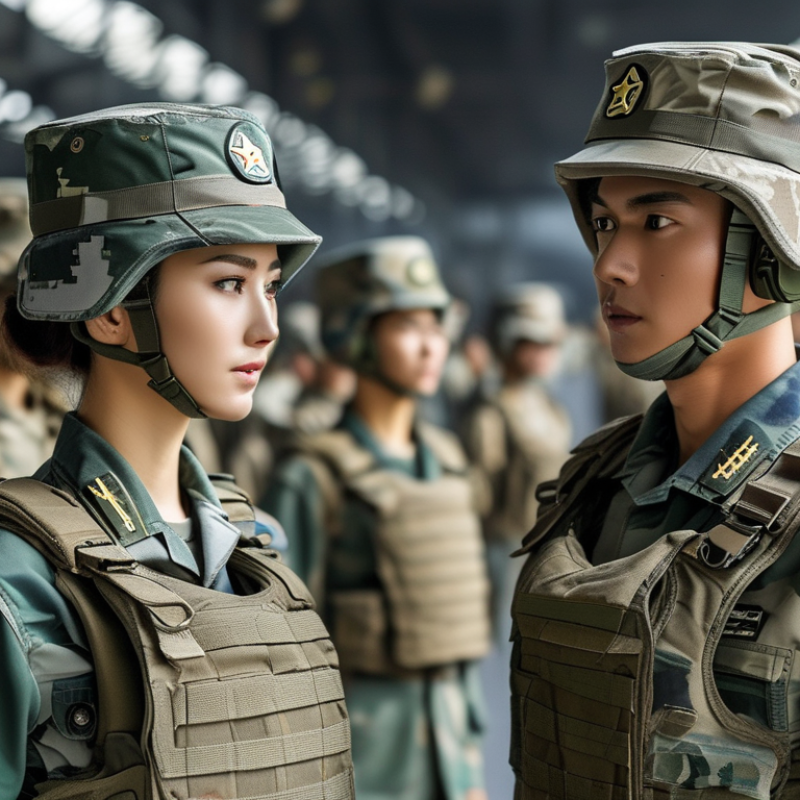
Overview of China's Military Uniform Industry
China's military uniform industry has grown significantly over the last few years. This sector plays a vital role in meeting the needs of various military forces worldwide. The production includes advanced materials that ensure durability. Moreover, uniforms are designed for specific climates and operational requirements. This adaptability is essential for military personnel who operate in diverse environments.
Tip: When selecting a supplier, consider their experience in fabric technology. Ask for samples to evaluate quality firsthand. It is crucial to examine the stitching and finishing details. Well-constructed uniforms can make a significant difference in wearability and functionality.
In recent years, challenges have emerged, particularly around quality control and transparency. Some factories may prioritize speed over quality, which can compromise essential features. Buyers must be vigilant about conducting thorough inspections. Relying solely on certifications can be risky. Engaging directly with manufacturers can provide deeper insights.
Tip: Building relationships with suppliers can enhance communication. This can help identify potential issues before they escalate. Regular audits and feedback can foster improvements in production processes. A continuous dialogue ensures that expectations are met consistently.
Leading Military Uniform Suppliers in China
China has emerged as a key player in the global military uniform supply market. According to industry reports, the country’s military uniform market was valued at approximately $5 billion in 2022, with a projected annual growth rate of over 6% through 2028. This growth is driven by increasing defense budgets and the demand for high-quality textiles.
Leading suppliers in China provide a range of products, from camouflage uniforms to specialized tactical gear. Many factories have adopted advanced technologies, ensuring materials meet rigorous military standards for durability and resistance. Research indicates that around 70% of military uniforms produced in China are exported, showcasing the country's ability to meet international quality expectations.
However, this growth is not without challenges. Issues such as labor conditions and environmental concerns often arise. Many manufacturers need to improve transparency in their supply chains. Stakeholders are increasingly demanding ethical practices and sustainability efforts from suppliers. As the market continues to evolve, focusing on these areas will be crucial for maintaining credibility and authority in the global arena.
Key Features and Innovations in Chinese Military Uniforms
Chinese military uniforms have rapidly evolved, showcasing several key features and innovations. Recent reports indicate that the global market for military uniforms is expected to exceed $4 billion by 2027. This growth is largely driven by advancements in fabric technology and functionality. Many Chinese suppliers now focus on lightweight, breathable materials that provide thermal regulation, ensuring comfort in various climates.
Innovative designs also include camouflage patterns that adapt to different environments, improving operational effectiveness. Many uniforms feature integrated systems for carrying equipment, reducing bulk and enhancing mobility. Advanced stitching techniques are employed to ensure durability, essential for the rigors of military service. However, some buyers express concerns about consistency in quality. Reports suggest that while top suppliers are reliable, smaller manufacturers often struggle to meet international standards.
Additionally, there is a growing demand for sustainable practices in uniform production. The shift towards eco-friendly materials raises questions about long-term viability. Suppliers face challenges in balancing production costs with the need for cutting-edge design. The market continues to push boundaries, and while there are immense opportunities, the journey towards perfecting military attire remains complex and requires constant adaptation.
China's Military Uniform Suppliers: Key Features and Innovations
Export Trends and Market Demand for Chinese Military Apparel
The global demand for military apparel continues to rise, with Chinese suppliers leading the market. Recent reports indicate that the military apparel market is projected to reach USD 10 billion by 2026, growing at a CAGR of 5.1%. This trend highlights the increasing reliance on advanced textiles and designs suited for specific operational environments.
Chinese manufacturers are increasingly adapting to diverse market needs. For instance, the integration of moisture-wicking and flame-resistant materials is becoming more common. Local suppliers emphasize quality while keeping production costs competitive. A focus on sustainability in manufacturing is also emerging, as global buyers seek eco-conscious options. However, meeting international standards poses challenges for some suppliers, causing delays and quality discrepancies.
The demand for tactical and combat uniforms is evolving rapidly. Specific segments, like digital camouflage and multi-role uniforms, are gaining popularity. While many companies invest in innovation, operational efficiency remains a concern. Some factories struggle with capacity to meet surging orders, exposing gaps in the supply chain. Addressing these issues can enhance credibility and strengthen market presence for Chinese military apparel suppliers.
Challenges and Opportunities for Global Buyers in Procurement
China has emerged as a prominent player in the global military uniform supply market. With a market size projected to reach USD 3 billion by 2025, the opportunities are significant. Global buyers face challenges when sourcing uniforms from China. Quality control remains a critical issue, given inconsistent standards. Reports indicate that about 30% of imported military uniforms do not meet specified quality benchmarks. This raises concerns about durability and compliance.
Navigating the procurement process is complex. Cultural differences can lead to misunderstandings. Buyers may struggle with language barriers, impacting negotiations. Furthermore, supply chain issues can cause delays. Data shows that delays in delivery can exceed 15%, disrupting military operations. Global buyers must evaluate suppliers rigorously. Establishing clear communication is crucial to ensure quality and timely deliveries. Despite these challenges, the potential for cost savings is immense. Chinese suppliers often offer competitive pricing compared to Western alternatives. However, buyers must weigh these benefits against potential risks in quality and reliability.
