What Are the Top Types of Paper Cups and Bowls?
Choosing the right paper cup or bowl starts with the moment it will serve: a hot coffee at a counter, cold juice on a patio, or soup carried across a busy room. Each use places different demands on shape, insulation, and leak resistance. A double-wall cup can feel warmer in the hand than a single-wall cup, while a ripple-wall design adds a textured grip. For food, shallow bowls suit salads and snacks; deeper bowls hold noodles or soup more securely. Small details matter.
As a clearly illustrative composite expert, packaging specialist Maya Chen offers this rule of thumb: “Match the paper format to the food, the temperature, and the journey—not just the serving size.” This is practical guidance, not a verified quotation from a real individual. It also points to a common mistake: choosing a container by appearance alone. A glossy finish may look sturdy, yet the lining, rim, and base affect how the item performs.
This guide explores the top types of Cup Paper Bowl products, including single-wall, double-wall, and ripple-wall cups, plus common paper bowl styles. It considers comfort, capacity, storage, and the needs of takeout service. Not every option fits every menu. A bowl that works for pastries may sag with hot broth, and a cup that suits espresso may feel cramped for a larger drink. Check product specifications and test with the intended contents when possible. Real use can reveal surprises.
How Paper Cups and Bowls Are Classified by Design
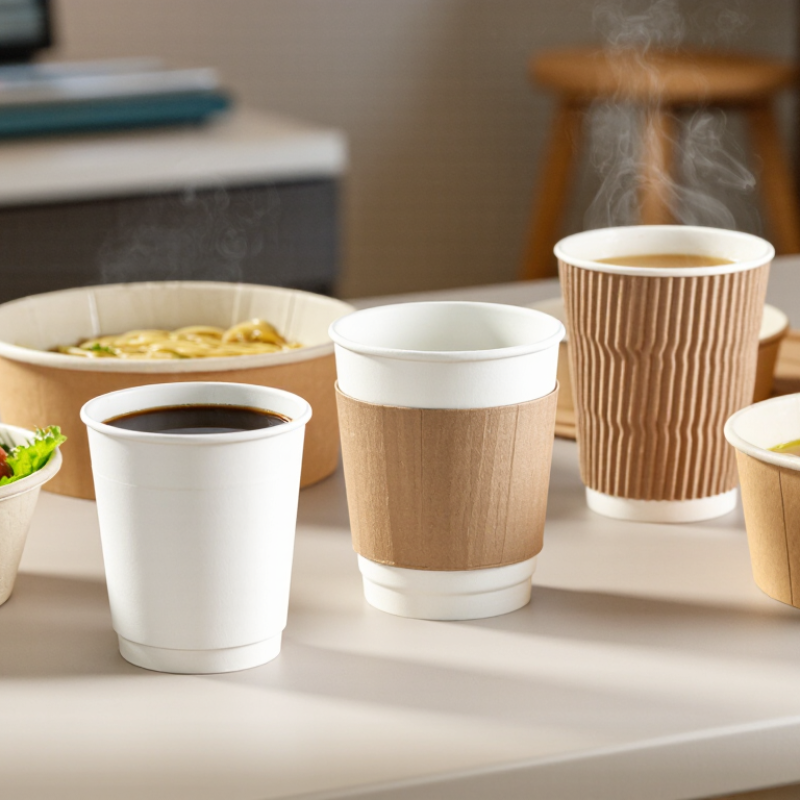
Paper cups and bowls are best classified by construction, opening, and intended use. Single-wall cups suit water, juice, and brief service. Double-wall cups add insulation for hot drinks, while ripple-wall designs create an air gap and a textured grip. The rim also matters: rolled rims feel smoother, and compatible lids help reduce spills during takeaway. Small details change the experience.
For bowls, compare depth, base width, and wall angle. A deep, narrow bowl can steady soup, while a broad, shallow shape gives salads and grain dishes room for toppings. Coatings and material layers affect grease resistance and stiffness, so check the product specification rather than judging by appearance alone.
Grand View Research valued the global paper cups market at USD 10.4 billion in 2023 and projected a 4.7% compound annual growth rate from 2024 to 2030. That market signal does not identify a single best design; serving conditions still decide. There is no perfect format. A wide bowl looks generous, but may be awkward to carry.
Tips: Match the cup’s wall style to drink temperature and holding time. For bowls, test a filled sample: press the base gently, tilt it, and check whether the rim stays firm. A little messiness in real use can reveal what a catalog photo misses.
Single-Wall Paper Cups for Everyday Drinks
Single-wall paper cups are a practical choice for everyday drinks such as water, juice, and moderate-temperature coffee. Their single paper layer keeps them light and easy to stack, which helps at busy counters, meetings, and small events.
They are simple. A smooth rim can make sipping comfortable, while a stable base helps prevent spills on a desk or tray.
For hot drinks, remember that one paper layer offers limited insulation. The outside can feel warm, so a sleeve may help when serving very hot coffee or tea. That matters.
Cup size also affects the experience: a smaller cup suits a short coffee, while a larger one leaves room for milk or ice. Check that the cup matches the lid, if one is needed; a small mismatch can cause leaks.
I would not assume every paper cup belongs in paper recycling, either. Linings and local collection rules vary, so check the packaging and local guidance. In practice, the best choice is the cup that fits the drink, feels steady in the hand, and avoids more material than the serving requires.
Double-Wall and Ripple-Wall Cups for Hot Beverages
For hot beverages, double-wall and ripple-wall cups both add insulation without a separate sleeve. A double-wall cup uses two paper layers with an air space between them. A ripple-wall cup has a ridged outer layer that helps reduce heat transfer and improve grip. The National Coffee Association’s 2024 National Coffee Data Trends report found that 67% of U.S. adults drank coffee the previous day. That was the highest level recorded since 2002. This steady demand makes cup comfort a practical service consideration.
Choose based on how drinks are served and carried. Double-wall cups suit smooth stacking and a cleaner exterior, while ripple walls offer a more textured hold. There are trade-offs: the extra paper adds material, and neither design guarantees a comfortable surface with every drink temperature. Small details matter. Board weight, seams, fill level, and lid fit all affect the experience. Test cups with hot drinks after several minutes, not only straight from the dispenser. A quick hand check helps, but it is not a substitute for consistent product testing.
Common Paper Bowl Shapes for Different Foods
What Are the Top Types of Paper Cups and Bowls?
Common Paper Bowl Shapes for Different Foods
Round, tapered bowls are a familiar choice for soup, chili, and rice dishes. Their narrower base helps them sit steadily on a counter, while a rolled rim can make them easier to hold. Wide, shallow bowls suit salads, pasta, and grain bowls. They leave room for toppings and make mixing less awkward. For fries, pastries, or shareable snacks, rectangular or oval paper trays offer more surface area. Shape matters, but so does stiffness: a hot, saucy meal can soften a light bowl before the last bite.
The U.S. Environmental Protection Agency reported that 41.9 million tons of paper and paperboard containers and packaging were generated in 2018, with 68.2% recycled. That figure covers many packaging types, not paper food bowls alone. It still highlights why material choices deserve attention. Coatings, leftover food, and local collection rules can affect whether a used bowl is accepted for recycling. Small details matter.
Tips: Match bowl depth to the food. Choose deeper sides for broth or saucy noodles, and a broad opening for salads. Test the bowl with the actual serving size and temperature; a sample that looks sturdy empty may flex when full.
Coated Paper Bowls for Soups, Salads, and Takeout
Coated paper bowls pair a sturdy paper body with a thin barrier that helps resist moisture and grease. The coating may be plastic, plant-based, or another food-contact material, so check product specifications before serving hot or oily foods. A bowl’s performance also depends on its rim, seams, and intended temperature range. Small details matter.
For soup, choose a bowl with enough depth and a stable base. A warm broth can soften paper over time, especially if the bowl is overfilled or left standing. Check that the lid fits securely for takeout, and keep the container upright during transport. Not every lid seals tightly. That can be frustrating.
For salads, coated bowls help contain dressing and keep damp ingredients from quickly soaking through. They also suit grain bowls, noodles, and other takeaway meals with sauces. Match the bowl size to the portion; too much empty space can let food shift in transit. Still, coating does not make every paper bowl suitable for every meal. A quick test with the actual food, serving temperature, and expected holding time can reveal weaknesses before service.
What Are the Top Types of Paper Cups and Bowls?
Representative capacities for coated paper cups and bowls used for hot drinks, cold drinks, soups, salads, and takeout.
Nominal capacities shown are common product sizes, not market averages. Actual sizes vary by product; check the stated capacity and coating suitability for the intended food or drink.
