Skip to content

China Top 10 Zinc Alloy Metal Key Chain Manufacturers

Choosing a reliable supplier for Zinc Alloy Metal Key Chains takes more than comparing catalog photos. A polished sample may look impressive, yet details such as edge smoothness, plating consistency, and ring strength matter during everyday use. This guide to China’s top 10 manufacturers offers a practical starting point for buyers seeking custom promotional items, retail accessories, or branded gifts. Small details matter.

The manufacturers featured here can be assessed through factors such as product range, customization options, communication, and stated quality-control practices. Look for clear specifications on dimensions, finish, logo methods, and packaging. Ask whether the company can provide a sample before a larger order, and confirm how it handles design changes or production concerns. Not every finish lasts. A neat catalog is not proof of consistent production; that distinction is easy to miss. Comparing suppliers against the same checklist makes their strengths and limitations easier to see. No supplier is perfect. Availability, lead times, and capabilities may change, so verify current details directly rather than relying on a ranking alone. The aim is not to declare one universal winner, but to help readers make a more informed shortlist and ask better questions before committing.
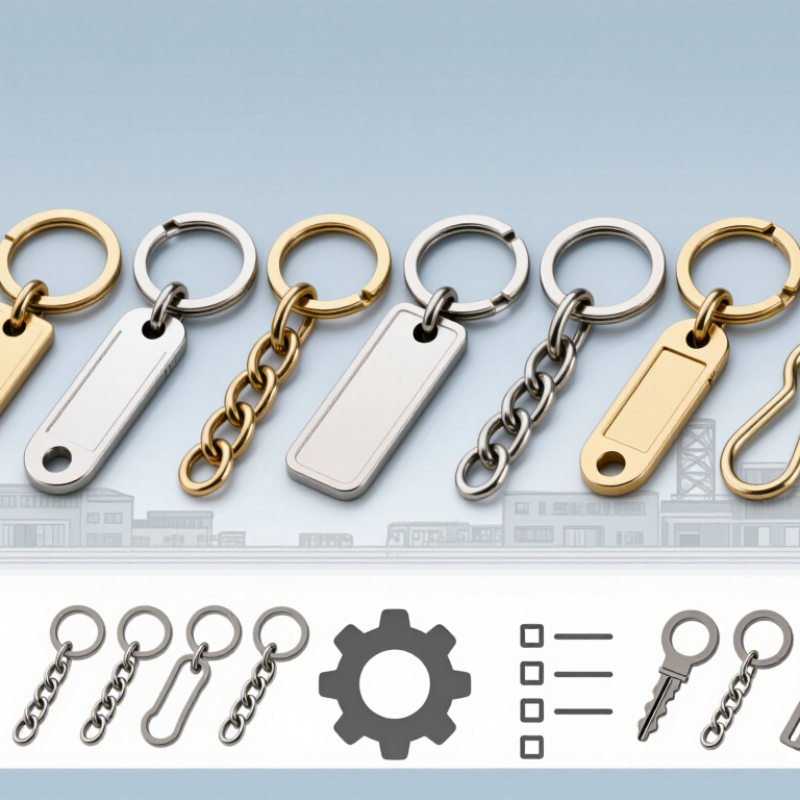
China Top 10 Zinc Alloy Metal Key Chain Manufacturers

Zinc Alloy Basics: Zamak 3 Contains About 4% Aluminum

Zamak 3 is a zinc-based alloy containing about 4% aluminum, with zinc making up most of its composition. This balance supports reliable die casting and helps capture small details, such as raised lettering or a textured edge. For metal key chains, that matters: clean shapes can reduce rough finishing and help keep the design consistent. Small details matter. Still, alloy percentages alone cannot predict the final feel. Mold design, casting conditions, and finishing all play a part.

Tips: Ask for the material specification and inspect a sample. Check the edges, surface finish, and attachment point before approving a production run.

A well-cast Zamak 3 charm should feel solid without being unnecessarily bulky. Its surface can be plated or coated, but the finish depends on preparation and process control. Look closely at corners and narrow grooves, where uneven coverage may be easier to spot. Real samples are useful. They reveal issues that a digital drawing cannot, though one sample may not represent every batch. For a dependable comparison, review samples from the intended production process and confirm that the stated alloy matches the supplier’s documentation.

Die-Casting Process: Zinc Alloys Melt at Roughly 385–390°C

At approximately 385–390°C, zinc alloy is ready for many die-casting operations, though the exact working range depends on alloy composition and equipment. For metal key chains, the molten alloy is injected into a steel die, filling details such as lettering, crisp edges, and decorative grooves. Temperature control matters. A melt that is too cool may leave incomplete features or visible flow marks. Excessive heat can increase oxidation and shorten die life. Operators monitor furnace readings and inspect trial pieces rather than relying on a single number.

The casting cools inside the closed die, then is removed for trimming and surface finishing. Small details matter. A steady temperature can help produce clean shapes and reduce rework, but it cannot correct poor venting, worn tooling, or an unsuitable gate design. Experienced technicians compare early castings with an approved sample and adjust settings gradually. The stated range is a useful reference, not a universal rule. Even a well-managed process can leave a rough edge, so inspection remains necessary before polishing, plating, or assembly.

China’s Top 10 Manufacturers: Products, Capacity, and Customization

A useful comparison of China’s ten leading zinc alloy key chain manufacturers looks beyond product photos. Their catalogs may include cast logos, souvenir shapes, nameplates, and multi-piece designs. Check whether each supplier handles mold development, die casting, polishing, plating, and assembly in-house. These steps affect surface consistency and delivery control. Small details matter.

Capacity is not just a monthly output figure. Ask how many casting machines or finishing lines serve your order, and whether production is shared with other products. A factory may manage a large run well but struggle with frequent design changes. Request a sample, a written production schedule, and clear defect criteria before approving bulk work. Real capacity can shift with seasonal demand.

Customization can involve dimensions, relief depth, color fills, edge shape, ring type, and retail packaging. Provide vector artwork and specify finish expectations, such as bright nickel or antique brass. Confirm who pays for tooling and whether revisions require a new mold. Plating samples can look different under warm indoor light. That is easy to miss. A strong supplier explains these trade-offs, documents approved samples, and gives realistic lead times rather than promising everything at once.

China Top 10 Zinc Alloy Metal Key Chain Manufacturers - China’s Top 10 Manufacturers: Products, Capacity, and Customization

This brand-free overview compares common zinc-alloy key-chain product capabilities. Production capacity is factory- and order-specific; confirm actual monthly output, minimum order quantity, and lead time directly with each supplier. The rows are product and capability categories, not a verified company ranking.

No. Product Type Typical Manufacturing Methods Common Customization Options Capacity Information Key Details to Confirm
1 Flat logo key chain Zinc-alloy die casting, polishing, and surface plating Custom outline, raised or recessed logo, color finish, split ring Quote-based; output depends on mold layout, order quantity, and finishing requirements. Artwork format, dimensions, plating color, sample approval, and packaging
2 Three-dimensional sculpted key chain Die casting followed by hand finishing and plating or painting Relief depth, sculpted details, multiple finishes, front-and-back design Quote-based; detailed relief and hand finishing can affect production speed. 3D drawing, acceptable detail level, prototype method, and surface-finish standard
3 Soft enamel key chain Die casting, metal outlining, recessed-color filling, and curing Enamel colors, raised metal borders, plating, and custom shape Quote-based; color count and manual filling requirements influence throughput. Color references, number of colors, color placement, and inspection criteria
4 Imitation hard-enamel style key chain Die casting, color filling, surface leveling, and polishing Color palette, smooth finish, logo relief, and metal plating Quote-based; polishing and color-finish requirements affect the schedule. Finish sample, color matching tolerance, edge quality, and production lead time
5 Epoxy-coated key chain Die casting or metal stamping, printing or color filling, and clear epoxy coating Printed artwork, domed clear coating, shape, and attachment hardware Quote-based; coating and curing stages must be included in the production plan. Artwork resolution, coating coverage, scratch expectations, and curing schedule
6 Antique-finish key chain Die casting, plating or chemical finishing, and selective polishing Antique-style metal colors, polished highlights, recessed details, and custom relief Quote-based; finishing batches and color consistency requirements affect output. Reference finish sample, color variation allowance, and corrosion-resistance needs
7 Openwork or cut-out key chain Die casting or metal cutting, deburring, polishing, and finishing Open areas, custom silhouette, engraved details, and plating color Quote-based; fine openings and narrow sections may require extra tooling review. Minimum wall thickness, structural strength, sharp-edge checks, and artwork feasibility
8 Double-sided key chain Die casting with finishing on both faces; assembled with a ring or connector Different artwork on each side, dual finishes, raised logos, and color filling Quote-based; two-sided detailing adds operations compared with a single-face design. Front-and-back artwork, alignment, total thickness, and attachment strength
9 Functional bottle-opener key chain Die casting or a cast-and-machined design, followed by finishing and assembly Logo placement, opener profile, surface finish, and key-ring attachment Quote-based; functional testing and material design affect production planning. Opening performance, edge safety, strength testing, and intended use conditions
10 Multi-component key chain Zinc-alloy die casting combined with assembly of rings, chains, or other inserts Component combinations, connector style, finish mix, and custom packaging Quote-based; assembly steps and purchased components influence overall capacity. Bill of materials, assembly method, component sourcing, and packaging requirements

Comparing Suppliers: MOQ, Lead Time, Export Markets, and Quality Control

China Top 10 Zinc Alloy Metal Key Chain Manufacturers

When comparing China-based zinc alloy key chain manufacturers, check MOQ, lead time, export experience, and quality control separately. A low MOQ may suit a small launch, but setup charges can raise the unit price. Ask for written quotes at two or three quantities. Request a sample made with the same finish and attachment style as your planned order. Small details matter.

Lead time should cover tooling, sample approval, production, and packing—not just factory production. Ask suppliers to list each stage and explain how delays are handled. Export experience can help with carton labeling, shipping documents, and packaging requirements for your destination market. Verify claims with recent, redacted shipping records or customer references where available. For quality control, request inspection criteria for plating color, sharp edges, split rings, and print alignment. A photo alone is not enough.

Tips: Put agreed specifications, tolerances, inspection timing, and defect remedies in the purchase documents. Compare the same sample requirements across suppliers. It is easy to overlook finish variation between batches, and I would not assume a polished sample guarantees consistent bulk production. Ask how samples are retained and how any mismatch is recorded.

These indicative planning estimates show typical time ranges, not verified data for specific manufacturers. Actual lead times depend on design complexity, order quantity, production schedules, shipping route, and customs. Confirm MOQ, export experience, and quality-control procedures directly with each supplier.

Buyer Checks: RoHS and REACH Compliance for Key Chain Finishes

China Top 10 Zinc Alloy Metal Key Chain Manufacturers

A zinc alloy key chain may look simple, but its finish can involve plating, paint, or a clear protective coating. Each layer can affect chemical compliance and skin contact. Ask suppliers which finish is used and whether testing covers the finished item, not just the raw alloy. A polished sample is useful. It is not evidence by itself.

Request recent test reports and check that the product description, color, coating, and factory match your order. Confirm the test scope and applicable market requirements; RoHS applies to certain product categories, not automatically to every key chain. For REACH, ask how the supplier checks relevant restricted substances and communicates any applicable SVHC information. Where prolonged skin contact is expected, ask whether nickel release needs assessment. Reports can be confusing. Have a qualified reviewer verify unclear methods or results before approving production.

Tips: Keep a sealed sample from the approved batch. Compare it with delivered goods, especially after a finish or color change. Recheck documentation when materials or suppliers change; small process adjustments can alter results.