Skip to content

What Are Rimless Eyeglass Frames?

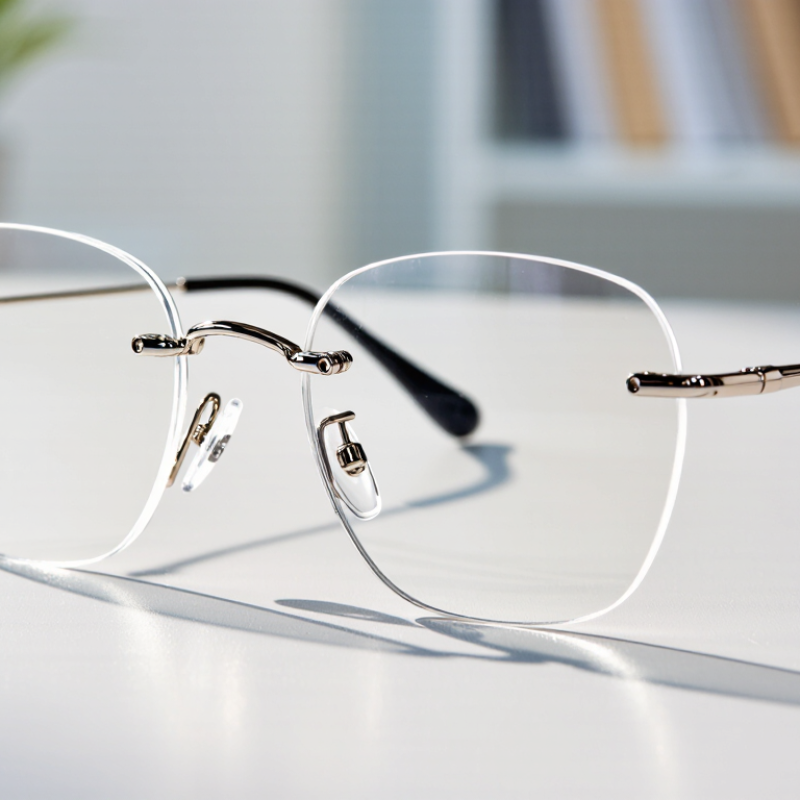
What are Rimless Eyeglass Frames? They are glasses designed without a full rim surrounding each lens. Instead, the bridge and temple arms connect directly through small, carefully drilled holes. This creates a clean appearance, with less material between your eyes and the outside world. In a bright office, they may appear almost invisible. Their quiet style suits people who prefer their face, hairstyle, or eye color to remain the visual focus.

Rimless Eyeglass Frames usually rely on lightweight materials, such as titanium, stainless steel, or flexible polymers. The lenses still require professional measurement and precise fitting. An optician checks the bridge position, temple angle, lens thickness, and drilling placement before assembly. Small errors can cause pressure near the nose or uneven alignment. Lens choice also matters. High-index lenses can reduce thickness for stronger prescriptions, while impact-resistant materials may offer better everyday protection.

They are not magic. Their minimal design may feel delicate, especially when placed loosely in a bag or handled with one hand. Some wearers may also prefer a stronger frame around thicker lenses. That does not make rimless eyewear a poor choice; it makes the decision more personal. Careful cleaning, a protective case, and regular adjustments can extend its useful life. This guide examines the structure, benefits, limitations, styling potential, and maintenance of Rimless Eyeglass Frames, while recognizing that comfort depends on both design and individual prescription needs.
What Are Rimless Eyeglass Frames?

Definition and Key Features of Rimless Eyeglass Frames

What Are Rimless Eyeglass Frames?

Definition and Key Features of Rimless Eyeglass Frames

Rimless eyeglass frames hold lenses without a surrounding plastic or metal rim. Small drilled holes, screws, and fittings connect the lenses to the bridge and temples. This design creates a clean, nearly invisible appearance. Very light. Many wearers notice less pressure around the nose and ears during long workdays.

The main feature is minimal structure. The lenses become the visual focus, while the frame hardware stays discreet. Rimless glasses often suit people who prefer a professional, understated look. Their thin profile can also fit comfortably under headphones or beside protective masks. However, comfort depends on accurate measurements. An optician should check the bridge position, temple length, lens thickness, and screw tension before fitting.

In daily use, careful handling matters. Place the glasses on a soft surface, and use both hands when removing them. Loose screws may cause lens movement, while excessive force can damage drilled lens holes. High-quality lenses and reinforced mounting areas can improve reliability, but no rimless frame is unbreakable.

They are not perfect.

People with active routines may need a sturdier frame style. I have also found that very thin designs can feel delicate at first, especially when adjusting them repeatedly. Regular professional inspections can reveal small alignment problems before they affect clear vision.

How Rimless Frames Are Designed and Assembled

Rimless eyeglass frames are built around the lenses, not a surrounding rim. Their design uses small drilled holes, mounting blocks, screws, and lightweight temple connections. This creates a clean, nearly invisible appearance. It also demands greater accuracy.

The World Health Organization’s World Report on Vision estimates that at least 2.2 billion people have vision impairment worldwide. The Vision Council has also reported that roughly three in four U.S. adults use some form of vision correction. These figures show why secure, comfortable assembly matters.

An optician first checks the prescription, lens thickness, shape, and drilling points. The holes must sit far enough from the edge to reduce stress. A tiny error can cause cracking or uneven lens pressure. During assembly, washers help distribute force around each screw. The temples are then attached and adjusted for balance. Alignment is checked on a flat surface and on the wearer’s face. The process is precise, but never completely foolproof. Plastic lenses may flex, and screw tension can change over time.

Tips: Choose impact-resistant lenses when possible. Ask for regular screw inspections. Do not overtighten loose hardware at home. A small adjustment can prevent a larger repair.

Common Materials Used in Rimless Eyeglasses

What Are Rimless Eyeglass Frames?

Rimless eyeglasses hold lenses with small drilled mounts instead of a surrounding frame. Their nearly invisible design can create a lighter, cleaner appearance. The materials used in their bridges, temples, screws, and lens mounts affect comfort and durability.

Titanium is a popular choice because it is lightweight, corrosion-resistant, and flexible. It usually suits people who wear glasses for long hours. However, titanium can cost more, and its thin structure still needs careful adjustment. Stainless steel offers solid strength and dependable shape retention. It is often more affordable, but some users may find it slightly heavier.

Acetate commonly appears on temple tips and nose-pad components. It feels smooth against the skin and allows more color choices. Some rimless designs use flexible plastics for temple sections, which can improve comfort during daily movement. The lenses matter too. Polycarbonate and Trivex lenses resist impact and reduce weight, while high-index lenses can make stronger prescriptions appear slimmer.

In optical fitting, tiny details matter. Loose screws can cause lens movement. Over-tightening can create stress around drilled holes. No material is perfect. A lightweight frame may feel delicate, while a stronger one may sacrifice some comfort. I have seen people choose appearance first and regret ignoring bridge fit, lens thickness, or cleaning habits. A careful material comparison usually prevents that mistake.

What Are Rimless Eyeglass Frames? Common Materials Used in Rimless Eyeglasses

Category Material or Feature What It Is Key Advantages Potential Limitations Typical Use in Rimless Eyeglasses
Frame Design Rimless Construction A frame style in which there is no full rim surrounding the lenses. The lenses are attached directly to the bridge and temples with drilled holes, mounts, or specialized connectors. Light visual appearance
Minimalist style
Wide field of view
The exposed lens edges and mounting points may require more careful handling than full-rim frames. Used for understated everyday eyewear and designs intended to appear less noticeable on the face.
Lens Material Polycarbonate A lightweight plastic lens material known for high impact resistance. Lightweight, impact resistant, and suitable for active lifestyles. It also provides inherent ultraviolet protection. It can show more optical chromatic aberration than some other lens materials and may scratch without a protective coating. Frequently considered for rimless glasses because the lenses must provide structural support without a surrounding rim.
Lens Material Trivex A lightweight lens material with high impact resistance and good optical performance. Lightweight, durable, and generally offers better optical clarity than polycarbonate because of its higher Abbe value. It may cost more than standard plastic lenses and is not available in every prescription or lens design. Well suited to rimless designs when comfort, impact resistance, and optical quality are priorities.
Lens Material High-Index Plastic A family of plastic lens materials designed to reduce lens thickness for stronger prescriptions. Can make prescription lenses thinner and lighter than conventional plastic at comparable powers. Some high-index materials may have lower impact resistance than polycarbonate or Trivex and often benefit from anti-reflective coating. Used when prescription strength makes lens thickness or weight an important consideration.
Lens Material Standard Optical Plastic A lightweight plastic lens material commonly made from CR-39 resin. Good optical clarity, relatively low cost, and easy availability in many prescriptions. It is generally thicker and less impact resistant than polycarbonate or Trivex. May be suitable for lower prescriptions when maximum impact resistance is not the main requirement.
Frame Component Titanium A strong, lightweight metal used for bridges, temples, hinges, and lens-mounting components. Low weight, high strength, and good corrosion resistance. It is also commonly chosen for its clean appearance. It can be more expensive and may be more difficult to adjust or repair than some other metals. Used in premium lightweight components and in thin, durable temples or bridges.
Frame Component Stainless Steel A metal alloy used in structural frame parts, including bridges, temples, screws, and connectors. Strong, relatively durable, corrosion resistant, and often more affordable than titanium. Usually heavier than titanium, and some individuals may be sensitive to specific alloy components. Used for durable bridges, temple arms, hardware, and mounting systems.
Frame Component Monel or Nickel-Containing Alloys Metal alloys traditionally used in some eyeglass components because they are workable and durable. Good formability, strength, and availability for small frame parts. Some people can experience skin sensitivity to nickel-containing alloys. A protective coating may reduce direct contact but can wear over time. May appear in hinges, bridges, temples, or other metal components, depending on the frame construction.
Frame Component Acetate A plant-derived cellulose-based plastic commonly used in eyewear manufacturing. Offers color and pattern variety, can be shaped and polished, and is generally comfortable against the skin. It is usually used for selected components rather than the entire structure of a rimless frame because rimless designs require direct lens mounting. May be used for temple tips, decorative elements, or selected bridge and temple parts.
Mounting Hardware Screws, Bushings, and Washers Small mechanical parts that secure the lenses to the bridge and temple assemblies through prepared mounting holes. Allow the rimless structure to remain open and can make certain components replaceable or adjustable. Hardware can loosen over time, and excessive tightening may stress or damage the lens around the drilled hole. Used at lens attachment points and should be checked during routine frame maintenance.
Mounting Hardware Synthetic Mounting Blocks or Connectors Small polymer components positioned between the lens and metal frame parts to distribute pressure and provide insulation. Can help cushion the lens, reduce direct metal-to-lens contact, and support a lightweight construction. May wear, discolor, or require replacement after prolonged use or repeated adjustments. Used around drilled lens holes, bridge attachments, and temple connectors in some rimless systems.
Protective Treatment Anti-Scratch Coating A hard coating applied to plastic lenses to improve resistance to everyday surface scratches. Helps extend the usable appearance of lightweight plastic lenses. It does not make lenses scratch-proof. Abrasive cleaning materials can still damage the surface. Recommended for most rimless lenses because the lens surface and edges are more exposed.
Protective Treatment Anti-Reflective Coating A multilayer coating designed to reduce reflections from the front and back surfaces of lenses. Can improve visual comfort, reduce glare, and make lenses appear clearer in photographs and under artificial lighting. Coatings can wear or become damaged if cleaned with unsuitable products or exposed to excessive heat. Especially useful for rimless glasses because the minimalist design leaves more lens surface visually exposed.
Care Consideration Lens-Drilling Compatibility The ability of a lens material and design to safely accommodate holes required for bridge and temple attachments. Supports secure attachment while preserving the rimless appearance. Not every lens design is equally suitable for drilling. Edge thickness, lens shape, material, and prescription must be evaluated by an optical professional. Important when selecting lenses for any rimless frame, particularly for strong prescriptions or complex shapes.

Benefits and Limitations of Rimless Frame Designs

What Are Rimless Eyeglass Frames?

Benefits and Limitations of Rimless Frame Designs

Rimless eyeglass frames hold the lenses with small mounts, screws, or bridge connectors instead of a surrounding rim. This creates a clean, almost weightless appearance. In daily wear, many people notice less visual bulk around their eyes. The open design can also make large lenses look less dominant. Lightweight construction may feel comfortable during long workdays, commuting, or reading. Still, comfort depends on lens material, bridge fit, and accurate adjustment.

The design has weaknesses. The lens edges remain exposed, so careless handling can cause chips or cracks. Tiny screws may loosen over time, especially with frequent folding or rough storage. Repairs can also be more specialized than repairs for full-rim frames. Thick prescriptions may look less discreet at the lens edge. I have found that rimless frames reward careful habits, but they are not automatically fragile or perfect. That distinction matters.

Tips: Store the glasses in a firm case, not loose in a pocket. Use both hands when removing them. Ask an optician whether the lens material suits your prescription and lifestyle. Check the mounts during routine adjustments. A rimless frame may suit office use, travel, and formal settings, but active environments require more thought. Even a careful wearer can drop them.

How to Choose and Care for Rimless Eyeglass Frames

Rimless eyeglass frames hold lenses with tiny mounts instead of a surrounding rim. This design creates a light, understated appearance. However, the lenses carry more visual attention, so their shape and edge finish matter. In my experience, rimless glasses feel comfortable when the bridge sits steadily and the temples do not press behind the ears. Appearance alone is not enough.

When choosing a pair, ask an optician to measure your pupillary distance and fitting height accurately. Small measurement errors can affect comfort and visual clarity. Lens material also deserves attention. Polycarbonate or other impact-resistant options may suit active users, while thicker prescriptions require professional advice about lens shape and drilling limits. Try moving your head naturally. If the glasses slide during a short walk, they probably need adjustment. I once chose a frame that looked perfect in a mirror but became uncomfortable after an hour. That was a useful mistake.

Rimless frames need gentle handling. Clean the lenses with lukewarm water and a clean microfiber cloth, rather than a shirt sleeve. Avoid hot water, household cleaners, and leaving the glasses in a sunny car. Check the small screws and lens mounts regularly. Do not tighten them forcefully at home. A qualified optical professional can inspect loose parts and realign the frame safely. Store the glasses in a rigid case, with the lenses facing upward. Even careful users may need occasional repairs. That is normal, not a failure.