Why Choose Cosmetic Grade Beta Arbutin Powder?
Consumers increasingly seek brighter, more even-looking skin with gentler daily routines. McKinsey’s 2023 beauty report estimates that the global beauty market could approach $590 billion by 2030. Skincare remains its largest category, with consumers demanding transparent ingredients and credible performance. Grand View Research also reported strong growth in the global skin-care market, supported by rising interest in targeted treatments and multifunctional formulations.
Within this landscape, Cosmetic Grade Beta Arbutin Powder offers formulators a practical brightening ingredient. Beta-arbutin is a naturally derived glycoside associated with bearberry and other plant sources. It is commonly used in serums, lotions, creams, and masks designed to improve the appearance of uneven skin tone. Its water solubility can support convenient incorporation into many water-based formulas. Small details matter, including purity, particle consistency, storage conditions, and dissolution temperature.
The ingredient is not a miracle solution. That matters.
Professional formulators should examine supplier certificates, assay results, microbiological data, heavy-metal testing, and stability evidence. A clear specification sheet is more useful than a dramatic marketing claim. Industry safety reviews, including assessments referenced by the Cosmetic Ingredient Review program, emphasize that ingredient safety depends on concentration, formulation, and intended use. Regional requirements can also differ, so regulatory verification remains essential before commercial launch.
Choosing Cosmetic Grade Beta Arbutin Powder therefore involves more than selecting a popular brightening active. It requires reliable sourcing, controlled manufacturing, compatible formulation design, and realistic consumer communication. Better documentation may slow the first purchase. It can prevent larger problems later.
What Is Cosmetic Grade Beta Arbutin Powder?
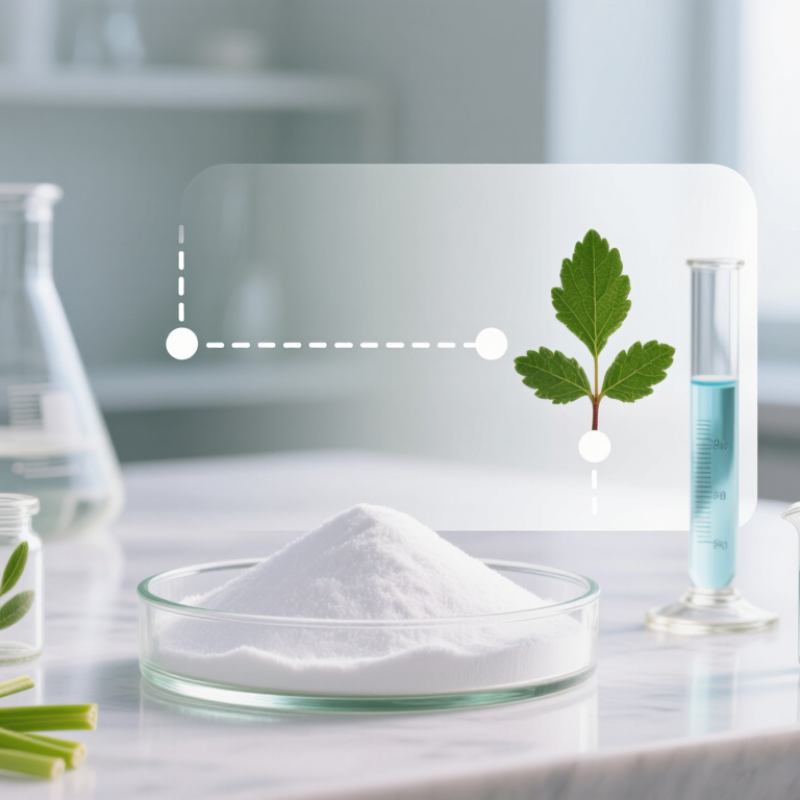
Cosmetic grade beta arbutin powder is a purified cosmetic raw material used in topical skincare formulas. It usually appears as a white or off-white crystalline powder. The term “cosmetic grade” describes its intended application and quality controls, not a universal legal standard. Unlike a finished cream, this powder is not ready for direct use on skin. It needs proper formulation, testing, and preservation.
Beta arbutin is a glycosylated form of hydroquinone found in certain plants. In topical products, formulators often choose it to support a more even-looking complexion by influencing tyrosinase activity. It is not a bleaching agent, and results may vary between users. Concentration, pH, packaging, and regular use all affect performance. A clear serum may gradually develop color if the formula is unstable.
Reliable sourcing requires more than a product label. A certificate of analysis should show identity, assay, appearance, moisture, and contamination limits. HPLC testing can help verify purity. Storage also matters: keep the powder tightly closed, dry, and away from strong light. A common oversight is treating “cosmetic grade” as a complete safety guarantee. It is not. Small compatibility trials remain important, even for experienced formulators. Unexpected color changes or texture problems can reveal weaknesses early.
How Does Beta Arbutin Work in Skincare Formulations?
Beta arbutin is a glycosylated form of hydroquinone found in certain plant extracts. In skincare, it targets tyrosinase, the enzyme involved in melanin production. By moderating this pathway, beta arbutin may help reduce the appearance of uneven pigmentation without aggressively stripping the skin.
The chemistry is simple. The formulation is not. Cosmetic-grade beta arbutin should meet controlled purity specifications and limit unwanted hydroquinone formation. The SCCS safety assessment SCCS/1557/15 reported beta arbutin as safe at concentrations up to 7% in face creams under assessed conditions. This figure is not a universal recipe. Product type, exposure, impurities, and regional rules still matter. Formulators should verify supplier testing, identity, assay, microbial quality, and stability data.
Beta arbutin performs best when dissolved correctly and protected from excessive heat, light, and unsuitable pH conditions. In practical testing, a well-designed formula should remain uniform, clear, and stable during storage. Airless packaging can reduce repeated exposure to oxygen. Sunscreen also matters, because ultraviolet exposure can stimulate new pigmentation while treatment is underway. Results are gradual, not dramatic. That is easy to overlook. I would also question claims based only on ingredient percentage; delivery system and daily use often influence real-world performance more than a bold label number.
What Benefits Does Cosmetic Grade Beta Arbutin Offer?
Why Choose Cosmetic Grade Beta Arbutin Powder?
What Benefits Does Cosmetic Grade Beta Arbutin Offer?
Cosmetic grade beta arbutin is valued for helping improve the appearance of uneven skin tone. It may reduce the visible look of dark spots over time. Its brightening effect is linked to supporting the regulation of melanin production. Results are usually gradual, not dramatic overnight. That matters.
For formulators, the powder offers flexible use in serums, creams, and targeted lotions. A reliable grade should have clear identity testing, purity data, and controlled storage conditions. Stable processing also matters because heat, light, and unsuitable pH can affect performance. In practical formulation work, small details often decide the final result. Beta arbutin is useful, but it is not magic. Skin response varies, and stronger concentration does not always mean better results. I would also avoid presenting it as a treatment for medical pigmentation concerns.
Tips: Dissolve the powder carefully according to the supplier’s technical guidance. Use clean equipment and protect the formula from excessive light. Check pH and stability before production. A patch test is sensible, especially for sensitive skin. Keep expectations realistic. Consistent application usually matters more than quick changes.
Why Choose Cosmetic Grade Beta Arbutin Powder? - What Benefits Does Cosmetic Grade Beta Arbutin Offer?
| Data Dimension | Typical Data or Characteristic | Formulation Relevance and Potential Benefit |
|---|---|---|
| Ingredient Identity | Beta-arbutin; commonly listed as Arbutin or Beta-Arbutin. CAS No. 497-76-7. | Provides a clearly identified cosmetic active for skin-brightening and uneven-tone formulations. |
| Chemical Formula | C12H16O7; molecular weight approximately 272.25 g/mol. | Useful for accurate formulation calculations, specification review, and quality-control documentation. |
| Physical Appearance | Typically a white to off-white crystalline powder. | A clean appearance is suitable for serums, creams, lotions, masks, and other leave-on cosmetic products. |
| Water Compatibility | Generally soluble in water, with solubility affected by temperature, pH, and the complete formula. | Can be incorporated into aqueous phases, water-based serums, gels, emulsions, and lotions when properly processed. |
| Primary Cosmetic Function | Skin-conditioning and skin-brightening active. | Helps formulate products intended to improve the appearance of dullness and uneven-looking skin tone. |
| Tyrosinase-Related Activity | Beta-arbutin is a glycosylated hydroquinone derivative studied for inhibiting tyrosinase-related melanin formation. | May help reduce the visible appearance of excess pigmentation over time when used consistently in a suitable cosmetic formula. |
| Mechanism of Skin-Tone Support | It is converted in skin-related pathways to hydroquinone-related structures and can interfere with melanin biosynthesis; cosmetic performance depends on formulation and use. | Offers a targeted approach for products designed to address the appearance of dark spots and uneven pigmentation without relying solely on exfoliation. |
| Common Use Level | Often formulated in the approximate range of 0.5% to 2%, depending on regional requirements, product type, and supplier guidance. | Allows formulators to balance visible performance, solubility, sensory properties, and overall formula tolerance. |
| Recommended Formula pH | Many formulations target a mildly acidic to near-neutral range, commonly about pH 4.0 to 6.5; stability must be verified in the finished product. | A controlled pH can support ingredient stability and skin compatibility while helping preserve product quality. |
| Stability Considerations | Protect from excessive heat, strong light, oxygen, moisture, and unsuitable pH conditions. Use appropriate packaging and conduct stability testing. | Good processing and packaging practices help maintain color, potency, appearance, and shelf-life performance. |
| Cosmetic-Grade Quality Controls | Common controls include identity, assay or purity, appearance, moisture or loss on drying, residual solvents, microbial limits, and heavy-metal limits. | Documented specifications improve batch consistency, traceability, and suitability for finished cosmetic production. |
| Compatibility with Product Types | Suitable for evaluation in serums, creams, lotions, essences, gels, masks, and spot-care products. | Its powder format provides flexibility across multiple water-containing cosmetic delivery systems. |
| Sensory Profile | Normally low odor and intended to have minimal impact on the sensory character of a finished formula when properly dissolved. | Supports lightweight, elegant formulations where fragrance and texture are important to consumer acceptance. |
| Safety and Tolerance | Use according to local cosmetic regulations, supplier specifications, and finished-product safety assessment. Patch testing is recommended for new products. | A documented safety assessment helps confirm that concentration, exposure conditions, packaging, and the complete formula are appropriate. |
| Expected Consumer Benefit | With regular use, a well-formulated product may help improve the appearance of dullness, uneven tone, and some visible dark spots. | Provides a credible cosmetic positioning around brighter-looking, more even-looking skin rather than an immediate or guaranteed result. |
| Key Formulation Reminder | Beta-arbutin should not be treated as a substitute for sunscreen or professional dermatological care. | Daily broad-spectrum sun protection is important because ultraviolet exposure can worsen pigmentation and reduce the visible benefits of brightening products. |
Note: Typical values and use ranges are general formulation guidance, not universal specifications. Always confirm current local regulations, supplier documentation, compatibility, stability, and finished-product safety before commercialization.
How Is Cosmetic Grade Beta Arbutin Powder Used Safely?
Cosmetic grade beta arbutin powder can help brighten uneven-looking skin by reducing melanin formation. Its safety depends on purity, concentration, and formulation control. The European Scientific Committee on Consumer Safety assessed beta-arbutin as safe up to 7% in face creams under specific conditions (SCCS/1643/22). This figure is not a universal recommendation. Different regions may apply different rules.
Use a tested cosmetic formula, not loose powder on skin. Verify the certificate of analysis, hydroquinone impurity level, microbial limits, and heavy-metal results. ISO 22716:2007 recommends controlled manufacturing, traceable batches, and documented quality checks. Beta arbutin may degrade with heat, light, or unsuitable pH. Opaque packaging and stable storage matter. I would also avoid promising dramatic results. Skin rarely changes overnight.
Tips: Start with a lower concentration and patch test for 24–48 hours. Apply to clean, intact skin, then use broad-spectrum sunscreen during daylight. Stop if burning, swelling, or persistent redness appears. Avoid combining several strong brightening ingredients at once. A formulation chemist or dermatologist should review products for sensitive skin, pregnancy concerns, or long-term use. Supplier documents can be incomplete, so independent testing remains worth considering.
What Quality Standards Should Buyers Evaluate?
Buyers should treat cosmetic-grade beta arbutin as a documented raw material, not merely a white powder. The 2023 Cosmetics Europe market report valued European cosmetics sales at about €88 billion. That scale makes traceability essential. Request a lot-specific certificate of analysis, HPLC identity, assay results, and manufacturing date. A high purity percentage is not enough. Hydroquinone-related impurities require special attention because beta arbutin can degrade under unsuitable conditions.
Check the test methods, not only the numbers. The SCCS opinion SCCS/1557/15 assessed beta arbutin at concentrations up to 7% in face creams under stated safety conditions. This does not replace local regulatory review. Suppliers should provide microbiological results, heavy-metal testing, residual-solvent data, and stability information. ISO 22716:2007 offers a useful framework for cosmetic good manufacturing practices. Packaging also matters. Moisture-barrier bags, sealed inner liners, and controlled storage reduce discoloration and caking. I would question a perfect-looking certificate without laboratory accreditation or batch linkage. That is an uncomfortable gap. Buyers should also compare particle size and dissolution behavior, because two powders with similar assay results may perform differently in a clear serum.