2026 Top Diamond Lash Suppliers for Global Buyers?
The 2026 Diamond Lash supplier market is expanding, but the category remains imperfectly defined. Some vendors mean premium eyelash extensions. Others describe glittered, crystal-effect, or ultra-light volume lashes. Global buyers need clearer product language before comparing factories, prices, or certifications.
Grand View Research reported that the global eyelash extension market reached approximately USD 1.36 billion in 2022. Its report also projected continued growth through 2030. These figures suggest stronger demand, but they do not guarantee supplier reliability. Market size alone cannot verify adhesive safety, fiber consistency, or delivery performance. Buyers should examine batch records, ingredient documents, product samples, and documented quality controls.
Clementina Richardson, founder of Envious Lashes, is a recognized lash educator and industry expert. Her professional principle can be stated simply: “Natural-lash health must come before dramatic length.” This advice matters when evaluating Diamond Lash products with dense volume or decorative finishes. A beautiful sample may still feel heavy after several hours. A glossy package may hide uneven curl, weak bonding, or inconsistent diameter. That gap deserves attention.
This guide reviews leading Diamond Lash suppliers for international buyers in 2026. It considers manufacturing experience, customization, sampling speed, private-label support, packaging accuracy, and export documentation. It also examines practical details, such as how lashes arrive after a long shipment. Are trays protected from bending? Are curls still uniform? Can the supplier explain every material clearly?
No supplier is perfect. Even experienced factories can face delays or seasonal capacity pressure. Responsible sourcing requires questions, testing, and careful records. The strongest supplier is not always the cheapest. It is the partner that communicates clearly, documents claims, and protects both salon professionals and end customers.
What Diamond Lashes Are and Why Global Buyers Choose Them
What Diamond Lashes Are and Why Global Buyers Choose Them
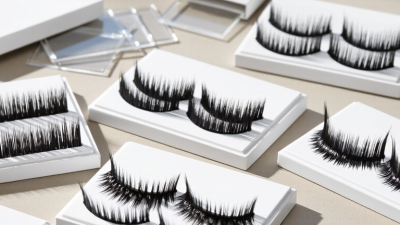
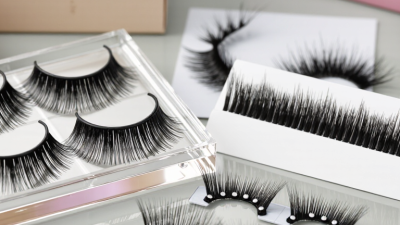
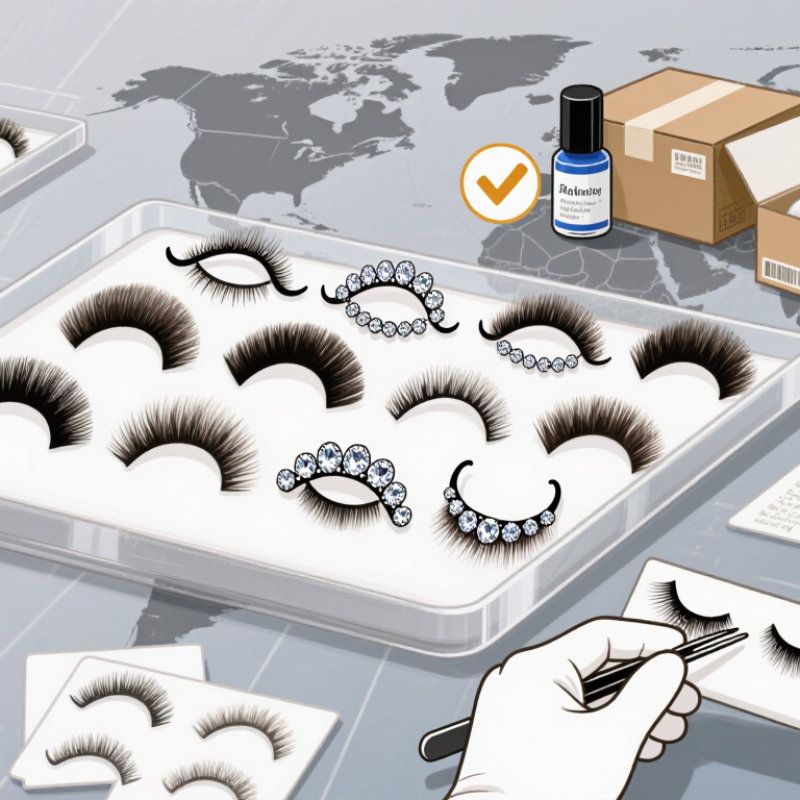
Diamond lashes are decorative false eyelashes with crystal-like stones, reflective fibers, or iridescent accents. They do not contain diamonds. The effect comes from careful placement, light-catching materials, and controlled lash density. Under studio lighting, small stones can create a sharp sparkle without covering the entire eye area.
Global buyers choose them for visual impact. A single pair can transform a bridal look, festival style, editorial image, or short-form video. Grand View Research estimates that the global false eyelashes market will grow at about 6% annually through 2030. This growth reflects rising demand for reusable, customized, and occasion-based lash products. My experience with product sampling shows that buyers inspect comfort before drama. A beautiful lash still fails if its band feels stiff.
Professional sourcing requires more than a glitter test. Buyers should request fiber specifications, adhesive compatibility, stone security tests, and packaging samples. ISO 22716 cosmetic good manufacturing practices can help evaluate supplier production controls, although certification alone proves little. Intertek and SGS testing services commonly assess material safety and package quality for cosmetic accessories. That matters during international shipping, where heat can weaken adhesive bonds. Some designs also look impressive in photos but feel heavy after two hours. This is easy to miss. Suppliers should provide wear trials, batch records, and clear labeling. The market is growing, yet reliable quality remains uneven.
How to Evaluate Diamond Lash Suppliers in 2026
How to Evaluate Diamond Lash Suppliers in 2026
Diamond lash sourcing now requires more than attractive product photos. Grand View Research reported that the global false eyelashes market reached about USD 1.6 billion in 2023, with continued growth expected through 2030. This growth attracts capable factories and inexperienced traders. Buyers should request factory addresses, production videos, recent audit reports, and samples from the same batch. A supplier’s reply speed matters, but traceability matters more.
Examine the lash band, adhesive compatibility, stone attachment, and packaging strength. Ask for material specifications, tolerance ranges, and test records for shedding, odor, and color stability.
For eye-area products, request safety documentation from qualified laboratories. ISO 22716-related cosmetic manufacturing controls can indicate stronger process discipline, although certification alone proves little. I have seen excellent samples fail during transport because the inner tray moved. That detail is easy to miss. It should not be.
Tips
Compare at least three suppliers using one score sheet. Check sample weight, symmetry, sparkle, and curl under ordinary lighting. Confirm minimum order quantities, lead times, replacement terms, and inspection rights in writing. The Business Research Company’s 2024 false eyelashes market analysis also indicates steady category expansion, so capacity claims deserve verification. Ask for monthly output evidence, not promises. A small pilot order may reveal more than a polished factory tour. Mistakes still happen, especially with custom designs, so leave time for a second inspection.
Leading Diamond Lash Suppliers for International Buyers
International buyers seeking diamond lash suppliers in 2026 need more than attractive product photos. Reliable suppliers should explain lash materials, crystal attachment methods, packaging options, and production capacity clearly. Small details matter.
Request physical samples before placing a large order. Check the lash band, fiber softness, symmetry, and crystal security under gentle handling. A polished sample proves little. Ask for batch inspection records, ingredient or material declarations, and safety documentation for adhesives and decorative elements. Suppliers should also provide accurate carton dimensions, product weights, lead times, and export paperwork. These details reduce delays at international borders.
Communication is another practical test. A professional supplier answers technical questions directly and confirms changes in writing. They should discuss private labeling, minimum order quantities, replacement policies, and quality controls without vague promises. Video inspections can reveal packing conditions and manual finishing standards. However, they are not perfect. Factories may show their best workstation, not every production line. An independent inspection remains sensible for larger orders. Buyers should also confirm whether the crystals remain secure after packaging vibration and temperature changes. That test is often missed. A lower price may hide inconsistent curls, weak bands, or poor protective packaging. Choose evidence over impressive claims.
Quality Standards, Customization, and Product Verification
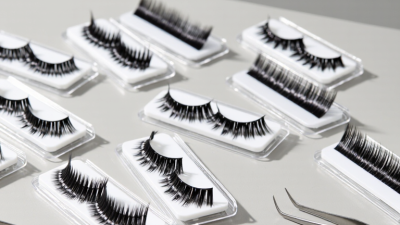
For global buyers, choosing a diamond lash supplier requires more than attractive product photos. Quality begins with stable materials, clean processing, and consistent lash dimensions. Check curl, length, thickness, softness, and band flexibility across several samples. A reliable supplier should provide clear specifications, batch records, and testing information when available.
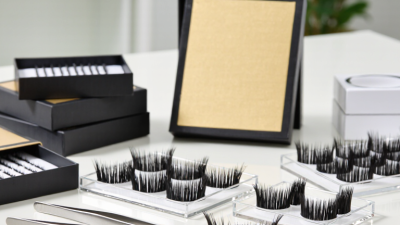
Customization matters when your market has different preferences. Ask about private packaging, tray layouts, mixed lengths, curl combinations, and logo placement. Confirm minimum order quantities before discussing design details. Request a physical sample, not only digital images. I have seen small differences in shine and density change the final customer experience. That is easy to underestimate. Also, a perfect sample does not guarantee every production batch will match it.
Tips:
Compare at least three suppliers using the same checklist. Inspect ten random lash strips from each sample box. Look for uneven spacing, loose fibers, damaged trays, or inconsistent curls. Ask how products are stored and packed during shipping. Review certificates carefully, and verify whether they apply to the actual product. Keep written records of approvals, revisions, and inspection results. If a supplier avoids specific answers, pause before ordering. A low price may reflect weaker inspection, but high pricing alone proves nothing. Small trial orders are safer than assumptions.
2026 Top Diamond Lash Suppliers for Global Buyers
Quality Standards, Customization, and Product Verification Framework
This buyer-side scorecard summarizes the core evidence categories used when evaluating diamond lash suppliers: material specifications, batch traceability, dimensional consistency, customization capability, packaging compliance, and pre-shipment inspection. Buyers should verify applicable requirements under ISO 22716, EU REACH, and destination-market cosmetic regulations before placing an order.