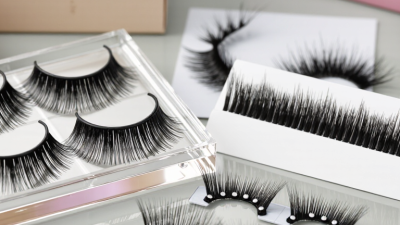
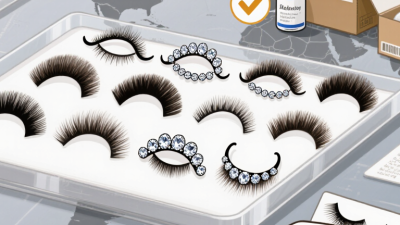
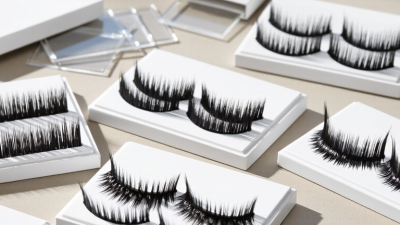
What Are the Top Types of High Lashes?
High Lashes can mean several things: dramatic strip lashes, lightweight clusters, individual extensions, or magnetic styles. Each creates a different effect. Some add a soft, lifted edge; others bring dense, stage-ready volume. The right choice depends on eye shape, comfort, occasion, and how much time you want to spend applying them.
The market is growing, but market size alone cannot tell you which lash type performs best. Grand View Research estimated the global false-eyelashes market at about US$1.6 billion in 2023 and projected continued growth through 2030. That figure describes commercial demand, not product quality or wearer satisfaction. It is useful context, not a beauty rule.
For practical guidance, lash artist Clementina Richardson, founder of Envious Lashes, is known for emphasizing customized lash designs that suit the wearer’s natural features. That idea matters. A dense, curled strip may look striking in a product photo, yet feel heavy on a smaller eye. A subtle cluster can offer more control, though placement takes patience. There is no universally “best” type. Even experienced users can choose a style that feels too dramatic in daylight. This guide compares the main High Lashes options by appearance, application, upkeep, and comfort, so you can judge what fits your routine—not just the trend.
What “High Lashes” Means in Eyelash Styling
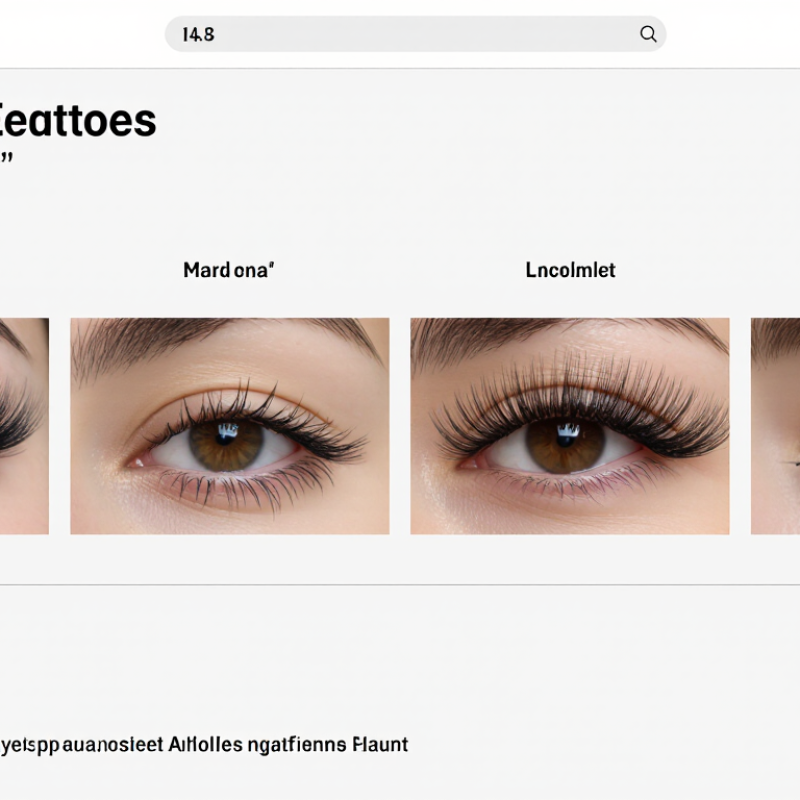
In eyelash styling, “High Lashes” is best understood as a look description, not a standardized lash type. It usually means a set that appears lifted and open, with curl and length arranged to draw the eye upward. The effect comes from mapping, not simply choosing the longest extensions. A technician might use shorter inner-corner lashes, then increase length near the arch, while matching curl to the natural lash direction. A strong curl can look striking. It can also feel too sharp on some eye shapes. “High” is a little vague; professionals may use the phrase differently.
Classic, hybrid, and volume describe application density; they do not, by themselves, define a high-lash look. Check the side profile: extensions should follow the natural lashes without twisting or weighing them down. Ask to review a lash map before choosing a dramatic lift. Grand View Research estimated the global false-eyelashes market at about $1.6 billion in 2023. That market figure reflects demand, not proof that one curl pattern is safer or more flattering. A useful distinction.
What Are the Top Types of High Lashes? — What “High Lashes” Means in Eyelash Styling
| Lash Type or Style | How It Is Created | Typical Look | Useful to Know |
|---|---|---|---|
| Classic | One extension is applied to each suitable natural lash. | Defined, separated lashes with a natural-to-polished effect. | A straightforward choice for adding length and definition without a dense fan effect. |
| Hybrid | A customized combination of classic extensions and handmade volume fans. | A textured look with a mix of defined lashes and soft fullness. | The balance of classic and volume work varies by design and the client’s natural lashes. |
| Volume | Lightweight extensions are arranged into small fans and applied to individual natural lashes. | Soft, fuller coverage with a fluffy appearance. | Fan size and extension weight should be selected to suit each natural lash. |
| Mega Volume | Very fine extensions are arranged into larger fans than those used for standard volume. | A dense, dramatic, high-impact lash line. | This style requires careful weight selection and is not appropriate for every natural lash. |
| Wispy | Lengths are varied to create noticeable spikes among shorter, softer sections; it can be paired with classic, hybrid, or volume application. | Textured, feathery lashes with a deliberately irregular outline. | “Wispy” describes the styling pattern, not one specific extension-application method. |
| Cat-Eye Mapping | Lengths generally increase toward the outer part of the eye and taper near the edges. | An elongated effect with emphasis toward the outer corners. | Mapping can be adapted to eye shape and combined with different application techniques. |
| Doll-Eye Mapping | The longest extensions are usually placed around the center, with shorter lengths toward the inner and outer corners. | A rounded, open-eye effect. | It describes where lengths are placed rather than how extensions are attached. |
Note: “High lashes” is not a standardized technical category. It may refer to a bold or elevated lash look, while terms such as classic, volume, wispy, cat-eye, and doll-eye describe application techniques or styling patterns. A qualified lash professional should tailor the design and extension weight to the natural lashes.
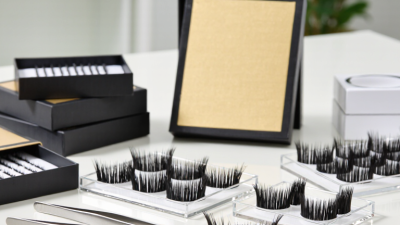
How Lash Types Differ by Fiber, Curl, Length, and Volume
High-lash styles differ in more than appearance. Fiber affects finish and feel: lightweight synthetic fibers may look sleek, while silk-like or faux-mink labels usually describe a soft, tapered effect. These names are not standardized material grades, so check the product details rather than relying on the label alone. A fine, flexible lash can feel less noticeable, but comfort also depends on proper application.
Curl changes how open the eyes appear. A gentle C curl gives a subtle lift; a stronger D curl looks more dramatic and may not suit every natural lash shape. Length matters, too. Extensions that are much longer than the natural lashes can feel heavy or lose their neat shape sooner. Small differences matter. Comparing a few lengths against your bare lashes can make the choice clearer.
Volume describes how many fine extensions are grouped onto each natural lash. Classic sets add one extension per natural lash for a defined look; volume sets use small fans for a fuller effect. More density is not automatically better. The natural lashes’ condition and the weight they can comfortably support should guide the choice. It is easy to focus on a dramatic photo and overlook daily comfort. A trained lash professional can assess curl, length, and safe weight for your individual lashes.
What Are the Top Types of High Lashes?
Typical extension fiber diameter varies by application style. The chart shows common ranges in millimeters; exact choices depend on the natural lash and the desired look.
How lash types differ: Classic sets use one extension per natural lash, while volume sets use lightweight fans of multiple extensions; mega volume uses larger fans. Hybrid sets combine classic singles and volume fans. Most extensions are made from synthetic PBT fibers, while terms such as “silk” and “mink” are commonly used as style descriptions rather than standardized fiber specifications. Curl is described with letters such as J, B, C, CC, and D; length is commonly selected in millimeters, often around 6–17 mm. The appropriate curl and length depend on the natural lashes and desired result.
The Main Styles: Classic, Hybrid, Volume, and Mega Volume
Classic lashes place one extension on each suitable natural lash, creating a clean, defined look. They suit people who want more length and separation without a dense finish. The result depends on natural lash direction and the chosen curl, not just extension length. Keep it balanced.
Hybrid lashes combine individual extensions with handmade fans. This mix can add texture where natural lashes look sparse while keeping some crisp definition. It often feels like a middle ground, though the final effect varies with the ratio and placement. A few fans in the wrong areas can look uneven, so the lash map matters.
Volume lashes use fans of several fine extensions on one natural lash, creating a fuller, softer line. Mega volume uses denser fans and is a much bolder choice; it should not mean simply adding weight. A trained lash artist should assess natural lash condition and select extensions accordingly. Less can be more. Consider your daily routine, eye shape, and comfort before choosing a style. A dramatic reference photo may not suit every natural lash line, and that is worth discussing before the appointment.
How to Match a Lash Style to Eye Shape and Desired Effect
Choosing a lash style starts with eye shape, natural lash strength, and the effect you want. For hooded eyes, a gentle curl with gradually longer center lashes can open the view without crowding the lid. Shorter, lighter fibers often feel more balanced than a dense, dramatic set. Small changes matter.
Almond eyes suit many maps, including a soft cat-eye that lengthens the outer corner. For round eyes, placing the longest lashes just beyond the center can add width without making the eyes look startled.
Downturned eyes often benefit from a subtle lift, with the outermost lashes kept shorter rather than sharply extended. That helps avoid a heavy, downward pull. Deep-set eyes may need visible curl and moderate length, but natural lashes should guide the final choice.
A dramatic map can look striking on a chart yet feel too heavy in daylight; this is easy to overlook. Eye shape is only a starting point.
For a natural effect, choose fine, evenly spaced extensions close to your own lash length. For a bolder result, add density gradually instead of jumping straight to maximum length.
A trained lash professional should assess lash health, eye sensitivity, and preferred maintenance before applying extensions. Ask to preview the proposed map, and speak up if the outer corners feel uncomfortable. A patch test may help identify sensitivity, though it cannot guarantee a reaction-free appointment. No map fits everyone.
Key Factors for Choosing and Maintaining Lash Extensions
What Are the Top Types of High Lashes?
Key Factors for Choosing and Maintaining Lash Extensions
Choosing lash extensions starts with your natural lashes, not a dramatic photo. A trained lash professional should assess their strength, direction, and density before recommending length or curl. Extensions that are too long or heavy may strain delicate natural lashes. Ask about classic, hybrid, or volume sets, then consider what suits your daily routine. Your eye shape matters, but comfort matters more. Share any sensitivities or past reactions; a patch test may help, but cannot guarantee irritation-free wear. Small details count.
Maintenance begins with clean hands and gentle care. Clean lashes regularly with a product recommended for extensions, rinse carefully, and pat them dry without rubbing. Avoid pulling, picking, or using a lash curler on extensions. Brush them lightly with a clean spoolie once dry. Fills are often booked every few weeks, but timing depends on your natural lash cycle and the look you want. If you notice persistent redness, swelling, or discomfort, contact a qualified professional or healthcare provider. Don’t remove extensions by tugging; ask about safe removal instead. Even careful routines can’t prevent every reaction, and that uncertainty deserves attention.