Top 10 Ways to Get Longer Eyelashes Naturally
Longer Eyelashes are a common beauty goal, but natural care works best when expectations stay realistic. Eyelashes grow and shed in cycles, and their appearance can vary with genetics, age, health, and daily habits. Gentle routines may help protect the lashes you have. They cannot reliably change your natural growth pattern overnight.
Small habits matter. This guide introduces ten practical ways to care for lashes, from removing mascara without tugging to keeping brushes and pillowcases clean. It also considers balanced nutrition and careful makeup use, while separating reasonable precautions from popular claims. For example, castor oil is often promoted for lash growth, but strong evidence that it makes lashes longer is lacking. Oils near the eyes may also irritate sensitive skin. Natural does not always mean risk-free.
The suggestions here focus on comfort, cleanliness, and reducing avoidable breakage. Use a soft cotton pad, let remover loosen makeup, and avoid pulling at the lash line. Stop any product that causes redness, itching, or swelling. If lashes suddenly thin, fall out in patches, or change alongside other symptoms, seek advice from a qualified healthcare professional. That matters more than a beauty tip. Results differ, and some habits may help only a little. This is worth remembering: patience can support healthier-looking lashes, but no home routine can promise dramatic growth.
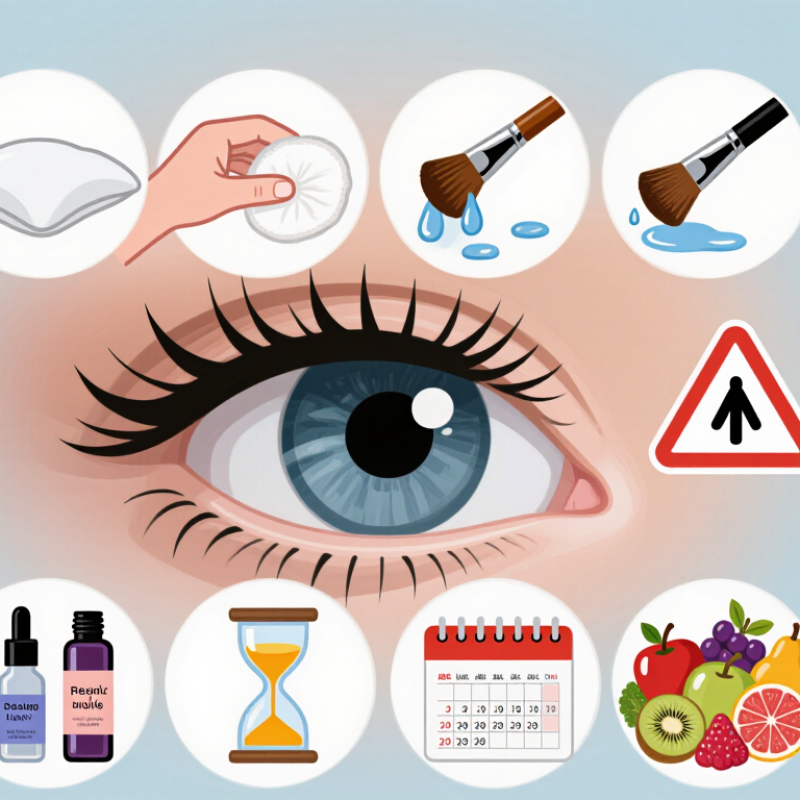
How Eyelashes Grow and What Influences Their Length
Eyelashes grow in individual cycles, so they do not all lengthen or shed at once. Each follicle passes through a growth phase, a resting phase, and a shedding phase. The active growth period is relatively short, which helps explain why lashes usually stay shorter than scalp hair. A fallen lash is often part of this normal cycle. It may take weeks for a new one to become noticeable.
Length is shaped largely by genetics, but age, hormones, and general health can also influence lash growth. The lashes you see may look shorter when they break or fall out early. Rubbing your eyes, pulling at lashes, and removing eye makeup roughly can cause damage. Small habits matter. A gentle, damp cloth is kinder than tugging at a stubborn flake, though it may take longer.
Natural care cannot reliably change the growth cycle or guarantee longer lashes. Still, removing makeup gently, avoiding repeated friction, and keeping eye tools clean can help protect the lashes you have. There is no perfect routine, and I sometimes underestimate how easily a tired hand rubs an itchy eye. Persistent thinning, bald patches, or irritation deserve attention from a healthcare professional, since underlying causes may need assessment.
Top 10 Ways to Get Longer Eyelashes Naturally — How Eyelashes Grow and What Influences Their Length
| No. | Habit or approach | How it may help | Practical, safer approach | What to realistically expect |
|---|---|---|---|---|
| 1 | Remove eye makeup gently | Reducing tugging and rubbing helps prevent breakage and avoidable lash loss. | Use a gentle eye-makeup remover, hold a damp cotton pad against closed lids briefly, then wipe softly without pulling. | Helps protect the lashes you have; it does not make follicles grow lashes faster. |
| 2 | Clean the lash line carefully | Removing makeup and debris supports good eyelid hygiene and may reduce irritation. | Clean closed eyelids gently with a product intended for the eye area. Stop if a product causes stinging, redness, or swelling. | Good hygiene supports eyelid comfort, but does not increase natural lash length. |
| 3 | Avoid rubbing or pulling your lashes | Repeated friction can weaken or dislodge lashes and irritate the delicate eyelid skin. | Pat rather than rub when drying your face, and avoid picking at mascara or lash extensions. | Prevents some avoidable damage; existing lashes still follow their natural growth cycle. |
| 4 | Use an eyelash curler with care | Excessive pressure or curling lashes coated with mascara can contribute to breakage. | Use a clean curler gently on bare, dry lashes. Do not pull, clamp repeatedly, or use a heated device near the eyes. | Can create a temporary lifted appearance; it does not lengthen lashes. |
| 5 | Limit heavy or difficult-to-remove mascara | Frequent layering and forceful removal can stress lashes. | Remove mascara before sleep and choose products that come off without vigorous rubbing. Replace eye makeup according to its instructions and do not share it. | May reduce breakage and irritation; mascara changes appearance, not growth. |
| 6 | Take breaks from extensions and false lashes | Adhesives and repeated traction can irritate eyelids or damage natural lashes in some people. | If lashes become sore, sparse, or irritated, stop using the product and seek professional advice. Avoid pulling extensions off yourself. | Reducing traction may help prevent further damage; recovery depends on the cause and the lash cycle. |
| 7 | Eat a balanced, varied diet | Hair follicles need adequate nutrients, but supplements do not reliably lengthen lashes when there is no deficiency. | Include a range of foods that provide protein and essential vitamins and minerals. Ask a healthcare professional before taking supplements. | Correcting a diagnosed deficiency may help related hair changes; extra nutrients are not a proven lash-growth shortcut. |
| 8 | Be cautious with oils and “growth” remedies | There is not good evidence that common oils make eyelashes grow longer. Products near the eye may cause irritation or allergic reactions. | Avoid putting essential oils or untested mixtures near the eyes. Stop using any product that causes discomfort, redness, or swelling. | Oils may condition lashes, but they are not proven to lengthen them or speed follicle growth. |
| 9 | Address ongoing eyelid irritation or lash loss | Inflammation, skin conditions, some medicines, and other health issues can affect lashes. | Seek medical advice for persistent itching, crusting, redness, sudden lash loss, or loss affecting one area. Do not stop prescribed medicine without consulting the prescriber. | Treating an underlying cause may help; the right approach depends on the diagnosis. |
| 10 | Allow time for the natural lash cycle | Eyelashes grow, rest, and shed in cycles, so individual lashes are not all at the same stage. | Protect lashes from repeated damage and be patient. Consult an eye-care professional if growth or loss changes noticeably. | Natural length is influenced by genetics, age, health, and the duration of each lash’s growth phase; results vary. |
How eyelash growth works: Each lash has its own growth cycle, including a growth phase followed by resting and shedding. Gentle care can help prevent breakage, but no home remedy is proven to make everyone’s lashes grow longer. Persistent irritation or sudden lash loss should be assessed by a healthcare professional.