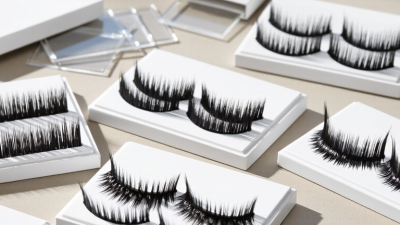
2026 Best Eyelash Types for Wholesale Buyers
Wholesale buyers entering 2026 face a crowded Eye Lash market, where curl, fiber, band, and finish can change both shelf appeal and repeat orders. Grand View Research estimated the global false eyelashes market at about USD 1.6 billion in 2023 and projected a 6.2% compound annual growth rate from 2024 to 2030. That is a market forecast, not a guarantee of sales for any buyer. Still, it signals why product selection deserves more than trend watching.
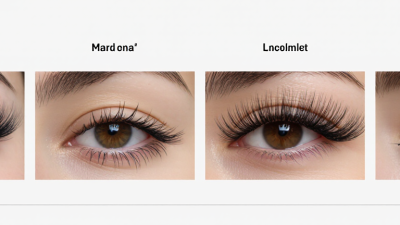
Clementina Richardson, celebrity lash expert and founder of Envious Lashes, is known for tailoring lash looks to individual eye shapes. Her approach can be summarized as: “Match the lash to the eye, not just the trend.” Consider the real details buyers handle: a flexible band for easier placement, consistent curl across a tray, and fibers that look natural under bright store lighting. Small differences matter. A dramatic style may attract attention, while a lightweight everyday pair may earn more repeat purchases.
This guide compares popular types, including strip lashes, individual clusters, magnetic styles, and extensions, through practical wholesale considerations. We will examine materials, construction, packaging, and likely customer use, while distinguishing established product features from market assumptions. Forecasts cannot tell every retailer what will sell. Regional preferences, price points, and product quality still need testing. That gap is worth remembering before placing a large order.
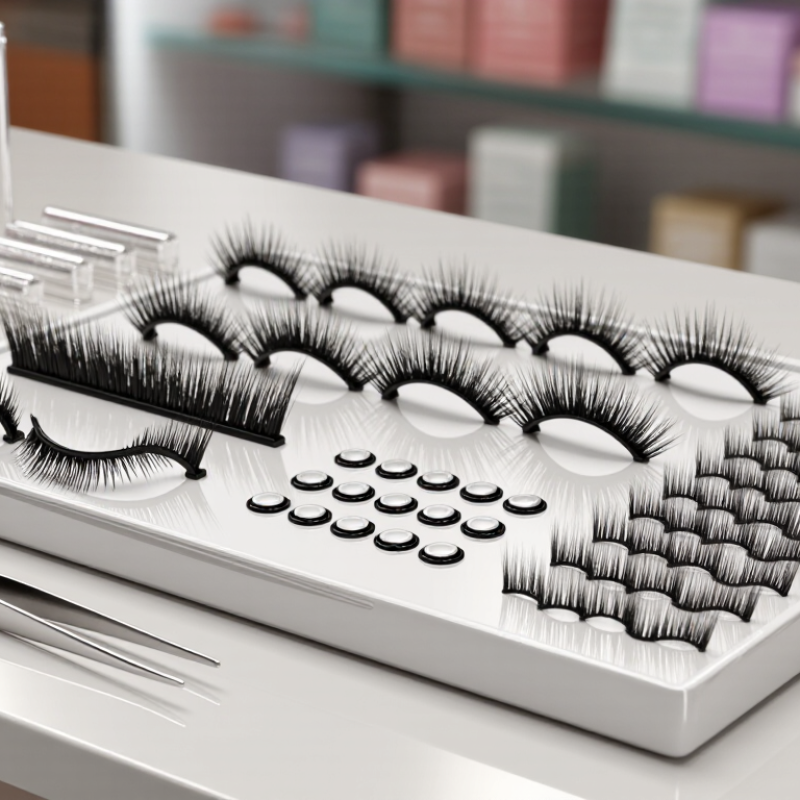
How Wholesale Buyers Classify Strip, Cluster, and Extension Lashes
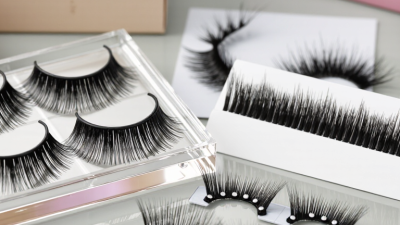
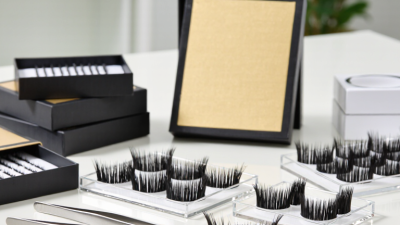
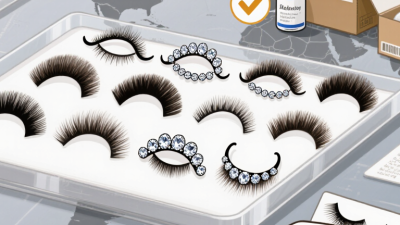
Wholesale buyers should classify lashes by application method, not appearance alone. Strip lashes arrive on a flexible band and are applied as a complete set. They suit quick retail use and are easy to sort by band length, curl, density, and material. Cluster lashes come in small fans or tufts, allowing partial coverage and more customized placement. Check the base shape and knot construction; these details affect comfort and handling. Individual extension lashes are single fibers or premade fans designed for professional application. Buyers should specify length, curl, diameter, and fiber type, since “natural” can mean different things across suppliers.
Market data offers useful context, but it does not replace product testing. Grand View Research estimated the global false-eyelashes market at about US$1.6 billion in 2023, with projected growth through 2030. That broad category does not neatly separate strips, clusters, and salon extensions, so buyers should avoid treating its figures as category-level demand. Test samples under actual packing and application conditions. A band that looks delicate in a catalog may feel stiff on the eye. We have seen classification sheets omit band flexibility; that gap can lead to poor repeat orders. Record measurable specifications, then check customer feedback. Not every popular style will fit every market.
Compare Lash Fibers, Bands, and Adhesives by Wholesale Use
Wholesale lash selection starts with fiber feel, band construction, and adhesive performance—not appearance alone. Synthetic fibers usually offer consistent curl and shape, while finer fibers can feel softer but may need gentler packing. Check the curl across several trays under the same light. A sample that looks uniform in one case can vary in another.
The band affects application speed and comfort. Thin cotton or flexible synthetic bands bend easily around the lash line, making them useful for lightweight styles and frequent wear. Clear bands are less visible, but can be harder to position quickly. Thicker bands may hold their shape during shipping, though some buyers find them less forgiving on curved eyes. Test with different applicator tools.
Adhesive choice depends on the intended product format and storage conditions. Strip-lash adhesive should spread evenly, dry within a predictable window, and remain flexible after setting. For wholesale orders, request stability data and review the ingredient list; do not rely on a single wear test. Temperature shifts can change texture. That detail is easy to miss. Compare samples after realistic storage, and record tack, drying time, and removal comfort. One test is never enough.
2026 Best Eyelash Types for Wholesale Buyers
Compare lash fibers, bands, and adhesives across common wholesale purchasing considerations.
Ratings use a qualitative 1–5 planning scale, where 5 indicates a stronger fit for that consideration. They are comparative guidance, not laboratory results or market statistics. Actual performance varies by supplier, formulation, construction, and storage conditions. Verify product specifications and safety documentation before purchasing.
Decode Pro Lash Specs: 0.03–0.25 mm Diameters and 6–20 mm Lengths
For wholesale buyers, lash diameter is more than a number on a tray. It affects weight, flexibility, and the look artists can create. The 0.03–0.07 mm range is commonly chosen for lightweight volume fans, while 0.10–0.15 mm fibers suit many classic applications. Diameters from 0.18–0.25 mm create a more defined look, but they are not right for every natural lash. Artist skill and client lash condition matter. A chart alone is not enough.
Length typically runs from 6 to 20 mm. Short 6–8 mm fibers can help fill inner corners; 9–12 mm options work well for many everyday maps. Longer 13–16 mm lengths add visible drama, while 17–20 mm fibers are specialist choices, not automatic bestsellers. Check the actual tray layout: a supplier may list a broad range, yet stock only a few lengths consistently. Small detail. Ask for samples.
Before placing a bulk order, compare fibers under the same lighting and test how easily strips lift from the tray. Check whether stated diameter and length match the delivered product, and request clear specifications for each curl and tray mix. Some fibers that look similar in photos feel quite different during application. That is easy to overlook. Record your sample results, including curl retention and how often lengths sell through; your first forecast may still be wrong.
Match Curl, Length, and Volume to Salon and Retail Demand
2026 Best Eyelash Types for Wholesale Buyers
Match Curl, Length, and Volume to Salon and Retail Demand
Wholesale buyers can build a more useful lash range by matching curl, length, and volume to real customer needs. C curls offer a natural lift for everyday wear, while D curls create a more noticeable effect. Stocking both helps serve clients with different eye shapes and styling preferences. Length matters, too. Shorter options suit subtle looks, while longer styles appeal to customers seeking extra definition. Keep several lengths available rather than relying on one popular size.
Tips: Ask salon clients which styles they reorder, and track retail sales by curl and length. Compare samples under consistent lighting, then check that bands feel comfortable and flexible. A small trial order can reveal more than a spreadsheet. No chart predicts every preference, and I have seen a supposedly safe choice sit untouched on the shelf.
Volume should match both skill level and occasion. Lightweight, wispy styles can work well for daily clients and newer lash wearers. Fuller, denser designs may suit special events or customers who prefer bold results. Consider offering a balanced mix instead of filling every case with dramatic styles. Review feedback regularly; even experienced buyers sometimes misjudge local demand.