Skip to content

Top 10 Classic Eyelash Types for Global Buyers

The global lash market is becoming more specialized, not merely larger. Grand View Research estimates that the global false eyelashes market reached approximately USD 1.6 billion in 2022. Its report also projects continued growth through 2030, supported by beauty services, social commerce, and reusable products. However, market definitions differ between research firms. Allied Market Research reports a smaller market value and a different growth rate. This difference deserves attention. Buyers should compare research methods before trusting headline figures.

Classic Eye Lash styles remain important because they offer a controlled, natural appearance. One extension attaches to one natural lash, creating a clean result with visible separation. The effect works well for professional salons, bridal services, and everyday retail kits. Lash artists often evaluate curl, diameter, length, taper, band flexibility, and fiber consistency. A soft tray can reduce handling time, while uneven fibers may create an unstable finish.

This guide examines ten classic eyelash types for international buyers. It considers customer preferences, application practicality, packaging, and product positioning. It also reflects real sourcing concerns. A dramatic image may sell quickly, yet a comfortable, reliable product usually earns repeat orders. Small details matter. Buyers should request samples, verify material claims, and review ingredient or adhesive documentation. They should also confirm labeling and cosmetic requirements in each target market. The U.S. Food and Drug Administration and the European Commission provide relevant compliance guidance, but regulations can change. No single style suits every region, budget, or eye shape. That is the point. Careful selection requires evidence, testing, and occasional reconsideration.
Top 10 Classic Eyelash Types for Global Buyers

Defining Classic Eyelash Extensions and Global Buyer Needs

Top 10 Classic Eyelash Types for Global Buyers

Defining Classic Eyelash Extensions and Global Buyer Needs

Classic eyelash extensions use one extension on one natural lash. This method creates a clean, separated appearance without dense volume. Buyers usually compare ten popular looks: natural, kitten, cat-eye, squirrel, doll, open-eye, wispy, textured, staggered, and dramatic. These names can vary between suppliers, so clear measurements matter more than attractive labels.

A reliable buyer checks curl, length, diameter, taper, finish, and tray organization. Common curls include J, B, C, CC, and D. Shorter inner-corner lengths often improve comfort and balance. A trained technician should match extension weight with natural lash strength. Heavier fibers may look impressive but can cause unnecessary strain. It is a small detail with major consequences.

Global purchasing needs are not identical. Buyers in humid regions may prioritize stable curl retention and secure packaging. Sensitive clients may need clear ingredient information and appropriate patch-testing guidance. Responsible suppliers should provide batch details, storage instructions, safety documentation, and consistent dimensions. Hygiene also matters, from sealed trays to clean handling during application. I have seen buyers focus heavily on price and overlook diameter accuracy. That choice can create uneven results. A perfect curl chart cannot replace practical testing on different eye shapes, skin types, and natural lash conditions. Even experienced buyers should review samples before placing large orders.

Top 10 Classic Eyelash Types for Global Buyers - Defining Classic Eyelash Extensions and Global Buyer Needs

No. Classic Eyelash Type Fiber Material Common Lengths Common Curls Typical Thickness Visual Effect Best Suited For Global Buyer Considerations
1 Classic Silk Lashes Synthetic silk fiber 8–15 mm C, CC, D 0.10–0.20 mm Soft shine with a smooth, polished finish Natural-looking salon sets and first-time clients A versatile choice for markets seeking a balance between softness, definition, and price.
2 Classic Faux Mink Lashes Premium synthetic fiber 8–16 mm C, CC, D, L 0.05–0.20 mm Matte-to-satin finish with tapered-looking tips Clients who want a lightweight and refined appearance Vegan positioning, consistent supply, and uniform curl retention are important purchasing factors.
3 Flat Classic Lashes Flat synthetic fiber 8–15 mm C, CC, D 0.15–0.25 mm Bold lash line with a flatter base and narrow profile Clients seeking stronger definition without a volume fan The flat base can create strong visual density, but weight compatibility with natural lashes must be checked.
4 Classic Matte Lashes Low-shine synthetic fiber 8–15 mm J, B, C, CC 0.10–0.20 mm Subtle, natural texture with minimal reflection Everyday wear, professional styling, and understated beauty looks Popular where buyers prefer natural makeup aesthetics and discreet lash enhancement.
5 Natural Classic Lashes Synthetic fiber 6–12 mm J, B, C 0.10–0.15 mm Light enhancement that follows the natural lash pattern Conservative styles, mature clients, and short natural lashes Shorter lengths and lighter diameters support comfort and broad client compatibility.
6 D-Curl Classic Lashes Synthetic fiber 8–15 mm D 0.10–0.18 mm Noticeable lift and an open-eye appearance Clients with downward-growing lashes or a preference for dramatic curl The stronger curl may require careful mapping to suit eye shape and natural lash direction.
7 C-Curl Classic Lashes Synthetic fiber 8–15 mm C 0.10–0.20 mm Balanced lift with a soft, rounded curve General salon use and clients wanting a natural curl A widely adaptable curl for standard product assortments and mixed eye-shape requirements.
8 CC-Curl Classic Lashes Synthetic fiber 8–15 mm CC 0.07–0.18 mm More lift than C curl with less intensity than D curl Clients wanting visible lift while maintaining a polished appearance Useful for buyers building a middle-ground curl range between natural and dramatic styles.
9 Brown Classic Lashes Colored synthetic fiber 8–14 mm B, C, CC 0.10–0.18 mm Softer contrast than black with a warm, natural effect Fair features, soft makeup looks, and clients seeking subtle color variation Color consistency, fade resistance, and accurate shade representation matter for international sales.
10 Mixed-Length Classic Lashes Synthetic fiber 8–15 mm mixed trays J, B, C, CC, D 0.07–0.20 mm Customizable graduation and adaptable lash mapping Salons serving varied eye shapes, lash conditions, and styling preferences Mixed trays can reduce inventory complexity and help technicians create multiple classic designs.

Note: Length, curl, and thickness ranges are common industry specifications. Final selection should be based on the client’s natural lash strength, eye shape, desired look, and local professional-use requirements.
The Top 10 Classic Eyelash Types by Curl, Length, and Thickness

Top 10 Classic Eyelash Types for Global Buyers

The global eyelash extension market was valued at about USD 1.62 billion in 2023, according to Grand View Research. Its forecast suggests nearly 4.7% annual growth through 2030. That demand makes curl, length, and thickness more important than attractive packaging.

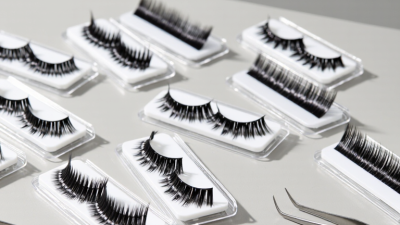
For a natural classic set, useful profiles include J curl, 6–8 mm, 0.10 mm; B curl, 8–10 mm, 0.12 mm; C curl, 8–12 mm, 0.12 mm; CC curl, 9–13 mm, 0.10 mm; D curl, 9–14 mm, 0.07 mm; L curl, 8–12 mm, 0.10 mm; L+ curl, 9–13 mm, 0.07 mm; C curl, 12–15 mm, 0.07 mm; D curl, 12–15 mm, 0.05 mm; and a soft B curl, 10–12 mm, 0.10 mm. These ten options cover subtle, lifted, and visibly dramatic effects. Classic application means one extension attaches to one natural lash.

Length must follow natural lash strength. Professional training guidance commonly recommends avoiding excessive weight, even when customers request a longer look. The Lash Professional Association’s educational materials emphasize mapping, isolation, and weight control as core quality factors. Curl codes also vary slightly between suppliers. That part is easy to overlook. A 0.15 mm extension may look elegant on a strong natural lash, but unsuitable on a fine one. I still see buyers choosing curl first and compatibility later. That order needs reconsideration. Auditable product specifications, sample trays, and trained consultation create more reliable purchasing decisions.

Key Features, Benefits, and Best Uses of Each Lash Type

Top 10 Classic Eyelash Types for Global Buyers

Key Features, Benefits, and Best Uses of Each Lash Type

Natural strip lashes use light fibers and a narrow band. They suit daily makeup and first-time users. Dramatic strip lashes add dense volume for photography, evening events, and stage work. Half-lashes lift the outer corner without covering the full eye. They work well for almond-shaped eyes. Magnetic lashes reduce adhesive handling, but alignment can feel difficult for beginners. Individual flares create adjustable length and density. Single individual lashes offer the most precise customization. Cluster lashes apply faster, although their grouped base may look heavier. Pre-fanned volume lashes create a fuller effect with fewer placement steps.

Faux mink lashes usually feel soft and appear slightly tapered. Silk-style lashes provide a smoother, more polished finish. Both materials can support premium positioning when fiber consistency is reliable. Grand View Research estimated the global false-eyelashes market at about US$1.6 billion in 2023, with continued growth expected through 2030. That demand reflects varied beauty routines, not one universal style. Buyers should compare band flexibility, curl retention, fiber weight, packaging hygiene, and removal instructions. A soft cotton band may improve comfort during long wear. It may also lose shape sooner.

Professional fitting experience shows that eye shape matters more than dramatic density. A short half-lash can balance deep-set eyes better than a dense full strip. Curl codes can also vary between suppliers. This remains an overlooked purchasing risk. Patch testing and clear ingredient labeling support safer retail decisions. No product chart replaces a real wear trial. Light, camera distance, humidity, and adhesive performance can change the final appearance.

How to Compare Quality, Materials, Comfort, and Durability

Global buyers should compare classic eyelash types by measurable performance, not appearance alone. Grand View Research estimated the global false eyelashes market at about USD 1.6 billion in 2023, with continued growth expected through 2030. That growth increases supplier choices, but quality still varies sharply. During product checks, I examine fiber alignment, band flexibility, curl consistency, and the security of the lash knots. Small defects matter. A twisted band can cause lifting at the inner corner.

Material names can mislead. “Silk” and “mink” may describe texture, not composition. Synthetic PBT fibers often provide stable curls, consistent color, and easier batch control. Natural fibers may feel soft, but they can show variation in thickness and shape. Buyers should request fiber specifications, adhesive compatibility, and sample measurements. A useful comparison records lash weight, band thickness, and symmetry across at least three samples. One sample is not enough.

Comfort depends on more than lightness. A thin, flexible band usually follows the eyelid better, while rough edges create pressure after several hours. For wear testing, assess movement after eight hours in warm, humid conditions. The International Organization for Standardization emphasizes controlled cosmetic safety and quality practices, yet practical wear tests remain essential. Durability should include curl retention, color stability, and band recovery after removal. I have found that a dramatic curl can look impressive but collapse quickly. That is an inconvenient finding, and buyers should test it before placing large orders.

Choosing Suppliers, Customization Options, and International Standards

Top 10 Classic Eyelash Types for Global Buyers

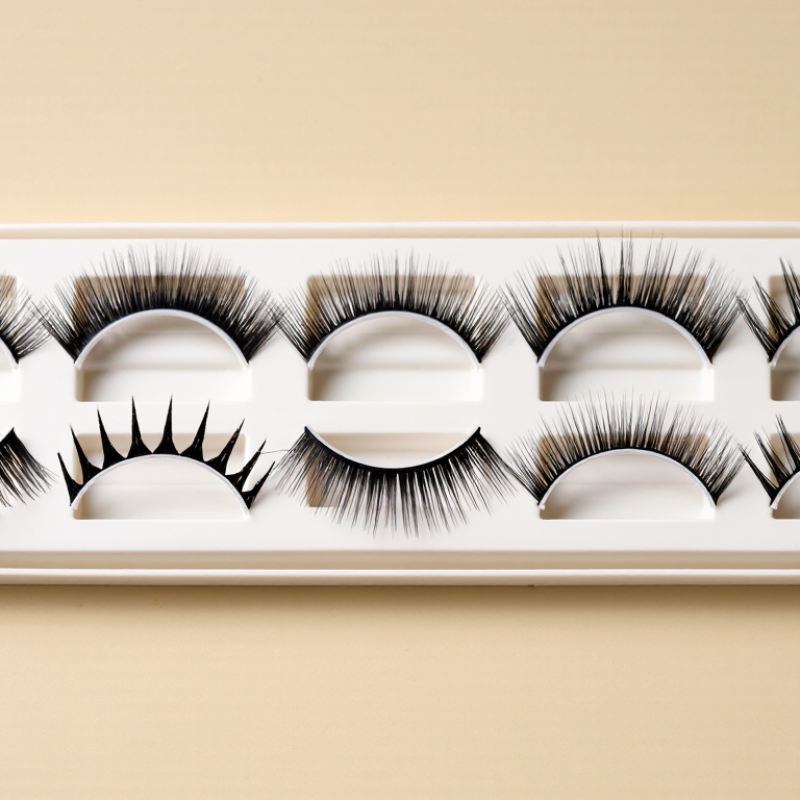
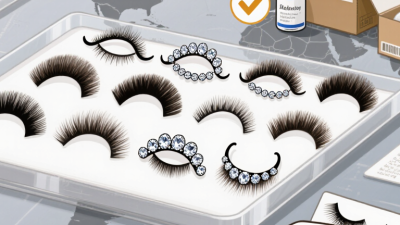
Classic eyelash styles include natural, round, doll, cat-eye, winged, wispy, criss-cross, dramatic, lower lashes, and colored lashes. Each style creates a different visual effect. Natural and wispy designs suit daily wear, while dramatic and winged styles support photography or events. Experienced buyers should compare curl, length, band flexibility, fiber thickness, and overall symmetry. A soft 10–12 mm lash can look refined, but uneven fibers quickly reduce perceived quality.

Choosing a reliable supplier requires more than checking catalog photos. Request physical samples, production details, material traceability, and recent quality records. Ask whether customization includes curl patterns, mixed lengths, band colors, packaging, and private labeling. Clear specifications prevent costly misunderstandings. Suppliers should also provide batch identification and relevant safety documents for adhesives or coated materials. Depending on the destination, verify labeling, ingredient disclosure, test reports, and applicable standards such as ISO-based quality systems or regional chemical requirements. Requirements differ by market.

Tips: Test samples under bright and natural light. Measure the band after opening. Check shedding after repeated handling. Keep approved samples for comparison. A small defect matters.

Communication still needs careful review. I have seen attractive samples fail during larger production runs. Confirm tolerances in writing, including length variation, curl consistency, packaging counts, and inspection methods. A pre-shipment inspection adds confidence, though it cannot replace supplier evaluation. Good sourcing is not always the cheapest route. Mistakes happen. Careful records make them easier to detect and correct.

Top 10 Classic Eyelash Types for Global Buyers

Typical commercial specifications for classic lash extensions, including common curl profiles and diameter ranges. These values reflect widely used professional-market specifications; exact dimensions, material composition, labeling, and compliance documentation should be confirmed with each supplier.

Buyer note: J, B, C, CC, D, L, L+, and M describe common curl profiles, while flat and ellipse lashes describe cross-sectional shapes. For international purchasing, request material declarations, batch traceability, product labeling, safety documentation, and destination-market compliance records.